What is a natural antibiotic, and what are its limitations?
The term “natural antibiotic” refers to substances of plant, animal, or fungal origin that possess antimicrobial activity—either bacteriostatic (inhibiting bacterial growth) or bactericidal (killing bacteria). These substances are not drugs in the regulatory sense: they cannot replace a prescription antibiotic for a confirmed bacterial infection, nor can they treat a serious infection. They are used as dietary supplements or in herbal medicine for preventive support and relief during mild infections. Immune-support supplements are available in the store’s “Immunity” and “Immune Defense” product lines.
- Important limitations to be aware of: natural antibiotics do not have an identified and documented spectrum of activity like synthetic antibiotics—their in vitro efficacy does not guarantee clinical efficacy—they cannot treat pneumonia, pyelonephritis, sepsis, or any serious infection—there is insufficient data for children and pregnant women without medical advice
- You must consult a doctor if: fever > 38.5 °C lasting more than 48 hours — urinary tract infection (pain, burning sensation) — chest pain or difficulty breathing — sore throat with visible white streaks — symptoms worsening despite natural remedies
- Bacterial resistance: There is a risk of resistance to natural substances—targeted and short-term use is recommended
Which plants and substances have documented antimicrobial properties?
- Garlic (Allium sativum): allicin (formed when crushed) — antibacterial activity against Gram-positive and Gram-negative bacteria, including Staphylococcus aureus — antiviral and antifungal activity — as a dietary supplement (standardized allicin extract) or consumed fresh and crushed — use caution with anticoagulants (potentiation)
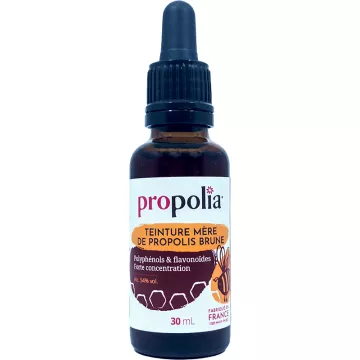
- Propolis: resin collected by bees — flavonoids (pinocembrin, galangin) with broad-spectrum antibacterial and antifungal activity — clinical data on ENT support (throat, sinuses) — available as a mouth spray, capsules, or mother tincture — Contraindicated in cases of allergy to bee products
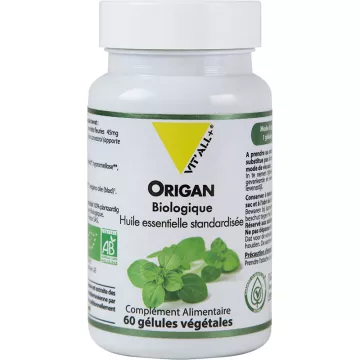
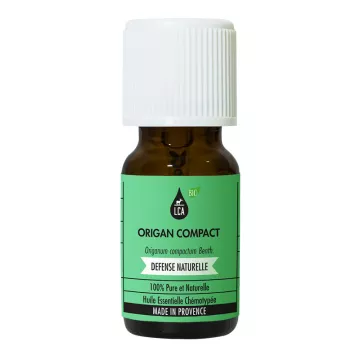
- Oregano (essential oil of Origanum compactum / vulgare): carvacrol and thymol — documented in vitro antibacterial and antifungal activity — for internal use (essential oil diluted in a capsule — do not use undiluted) — not recommended during pregnancy or for children under 6 years of age
- Manuka honey (Leptospermum scoparium): methylglyoxal (MGO) with antibacterial activity — used for treating minor wounds (mild burns, skin irritations) — standardized UMF or MGO rating — for topical application only due to its antimicrobial properties
- Turmeric (curcumin): anti-inflammatory and antimicrobial activity — enhances the action of natural antibiotics — in a standardized extract with piperine (20× greater bioavailability)
- Ginger: gingerols and shogaols — antibacterial and antiviral activity — supports winter ENT comfort — as an infusion, extract, or capsules
How can natural antibiotics be incorporated into a preventive approach?
- General immune support: vitamin C (500–1,000 mg/day) — zinc (10–15 mg/day — a cofactor for innate and adaptive immunity) — propolis as a winter regimen — see recommendations for probiotics when taking antibiotics
- Targeted, short-term use: early stages of a mild infection (first signs of a cold, sore throat, mild digestive discomfort) — 5 to 10 days maximum — stop use if symptoms worsen and consult a healthcare provider
- General precautions: possible drug interactions (garlic + anticoagulants, oregano essential oil + anticoagulants) — pregnancy and breastfeeding → seek medical advice first — children under 6 years of age → seek medical advice — never discontinue a prescribed course of antibiotics to replace it with natural substances