What are essential minerals, and how are they classified?
Essential minerals are inorganic elements that the body cannot produce on its own—they must come from food or targeted supplementation. They are divided into two main groups based on the amounts required. Discover our Granions, Oligosol, and Oligomax oligotherapy lines for the most easily absorbed ionic forms.
- Macrominerals (requirements > 100 mg/day): calcium (bones, teeth, muscle contraction, blood clotting) — magnesium (energy, nerves, sleep, stress) — potassium (heart, muscles, fluid balance) — sodium and chloride (electrolytes, osmotic pressure) — phosphorus (ATP, bones) — sulfur (keratin, glutathione)
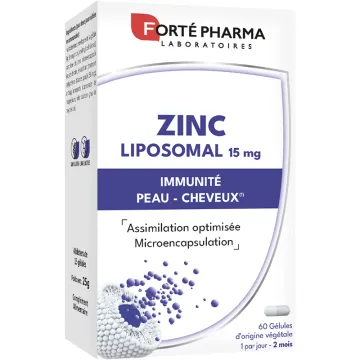
- Trace elements (requirements < 100 mg/day): iron (hemoglobin, oxygen transport) — zinc (immunity, wound healing, hormones) — selenium (antioxidant, thyroid, fertility) — copper (collagen, red blood cells, nervous system) — iodine (thyroid hormones) — manganese, chromium, fluorine…
- Interactions to be aware of: excess calcium reduces the absorption of magnesium and iron — zinc > 25 mg/day depletes copper — excess sodium increases urinary calcium excretion — spacing out doses or choosing balanced formulas avoids these conflicts
- Difference between diet and supplementation: a varied diet meets macromineral needs for most people — trace minerals are more prone to deficiency (depleted soils, cooking, industrial processing) — ionic oligotherapy (sublingual ampoules) offers optimal bioavailability for small doses
- Blood tests to confirm a deficiency: ionogram (sodium, potassium, calcium, phosphorus) — ferritin andiron status — magnesium levels — serum zinc — plasma selenium — TSH + T3/T4 for indirect iodine assessment
Minerals and Major Body Functions
- Energy and muscles: magnesium is a cofactor for ATP (cellular energy) and muscle contraction— iron is essential for transporting oxygen to the muscles—a deficiency in either leads to severe fatigue, cramps, and decreased performance
- Bones and teeth: calcium makes up 99% of the skeleton—it is properly absorbed only if vitamin D3 and magnesium are present in sufficient amounts—phosphorus structures hydroxyapatite crystals—fluoride forms fluorapatite, which protects tooth enamel
- Immune system: Zinc activates T cells and accelerates wound healing— selenium produces glutathione (a major antioxidant) and protects against viral infections— copper is essential for the bactericidal enzymes in neutrophils
- Cardiovascular health: Magnesium regulates blood pressure and heart rate — Potassium counterbalances sodium’s effects on blood pressure (DASH diet) — Calcium contributes to heart contraction — Selenium protects the endothelial cells of the arteries
- Antioxidants and Aging: Zinc, selenium, and copper are cofactors for the main antioxidant enzymes (SOD, GPx, catalase) — they neutralize the free radicals responsible for cellular aging — copper also stimulates the production of collagen and elastin, which are essential for skin firmness
Minerals, Stress, Sleep, and Mental Health
- Stress and magnesium: magnesium is the mineral most depleted by stress—cortisol increases its excretion in urine—deficiency → anxiety, irritability, hypersensitivity to noise—vicious cycle: stress depletes magnesium, and magnesium deficiency amplifies stress
- Sleep: Magnesium activates the GABA receptor (a calming neurotransmitter) and regulates melatonin—supplementing with 300–400 mg of magnesium glycinate or bisglycinate per night improves sleep quality and duration— zinc also modulates REM sleep
- Mental health: iron deficiency → depression (lack of oxygen to the brain + neurotransmitter deficiency) — magnesium deficiency → anxiety and mood disorders — zinc deficiency → depression and decreased libido — iodine deficiency → cognitive decline (hypothyroidism)
- Sports and Minerals: Sweating leads to losses of sodium, potassium, magnesium, and zinc — after 1 hour of continuous exercise, sports drinks must contain electrolytes — endurance athletes have magnesium and zinc requirements up to twice as high as the general population
- Anti-aging and minerals: zinc and selenium slow cellular oxidation — copper stimulates collagen production — magnesium reduces low-grade chronic inflammation associated with aging — a diet rich in fruits, vegetables, and legumes covers the essentials
Deficiency, preventive nutrition, and targeted supplementation
- Signs of mineral deficiency: nighttime cramps (magnesium)—fatigue and pale complexion (iron)—brittle bones and muscle cramps (calcium)—recurrent infections and slow wound healing (zinc)—hair loss and brittle nails (zinc + selenium + copper)
- Foods richest in minerals: seafood and organ meats (zinc, iron, copper, selenium) — legumes and whole grains (magnesium, iron, zinc, manganese) — dairy products and green vegetables (calcium) — Brazil nuts (selenium) — dark chocolate and seeds (magnesium, zinc)
- Drug interactions: iron reduces the absorption of quinolone and tetracycline antibiotics (space intake by 2–3 hours) — calcium reduces iron absorption — magnesium interacts with diuretics — always inform your doctor and pharmacist about any mineral supplements you are taking
- Oligotherapy (ionic forms): Granions, Oligosol, or Puroligo sublingual ampoules — optimal bioavailability at low doses — indications based on constitutional type: manganese-copper (allergies), magnesium (stress), zinc-nickel-cobalt (blood sugar), Puroligo for combination formulas
- Excesses to avoid: Excess iron is toxic to the liver and heart (hemochromatosis)—excess calcium without magnesium or K2 can cause arterial calcification—zinc > 40 mg/day depletes copper—never take supplements blindly without a prior blood test