Mental balance refers to the ability to effectively manage one’s emotions, maintain clear and flexible thinking, and cope with everyday challenges without feeling overwhelmed. Physiologically, it depends on the balance of several neurochemical systems: serotonin (regulation of mood, sleep, and appetite), dopamine (motivation, reward, and concentration), GABA (inhibition, calmness), and norepinephrine (alertness and stress response). These balances are directly influenced by diet, the gut microbiota—the gut-brain axis produces 95% of the body’s serotonin—and the micronutrients that act as cofactors in the synthesis of these neurotransmitters. Regular relaxation and meditation form the practical foundation of this balance.
Mental imbalance can develop gradually, often without a single warning sign. Signs to watch for include:
If these symptoms persist for more than two weeks or worsen, a medical consultation is warranted to rule out depression, a specific anxiety disorder, or an underlying organic condition (thyroid dysfunction, vitamin B12 deficiency, anemia). These complementary approaches are not a substitute for medical or psychological care in cases of a diagnosed mental health condition.
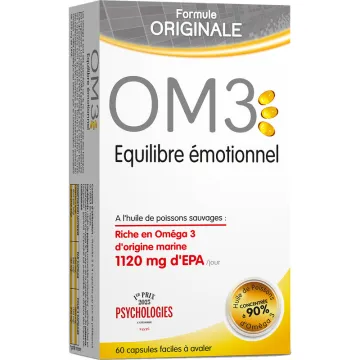
Magnesium (bisglycinate — 300 mg/day) is the first deficiency to address in cases of chronic mental stress: as a cofactor in the synthesis of GABA and serotonin, it reduces neuronal hyperexcitability and improves emotional resilience. Omega-3 EPA-DHA (1 to 3 g/day—EFSA claim) supports synaptic membrane fluidity and the regulation of brain inflammation—with positive clinical data in cases of mild to moderate depression. Vitamin B12 and the B-complex vitamins are essential for brain methylation and neurotransmitter synthesis—deficiencies are common among vegetarians and older adults. Griffonia (5-HTP—a serotonin precursor) supports mood and reduces rumination—absolute contraindication with SSRIs, SNRIs, tramadol, and St. John’s wort. Rhodiola (an adaptogen—containing rosavins and salidroside) improves resistance to mental stress, motivation, and cognitive clarity—take in the morning; contraindicated in bipolar disorder. Ginkgo biloba (EGb 761—EMA well-established use) improves cerebral microcirculation and working memory—contraindicated with anticoagulants. Bacopa (Bacopa monnieri—standardized bacosides) is a nootropic suitable for supporting long-term memory and learning—effects develop gradually over 4 to 8 weeks.