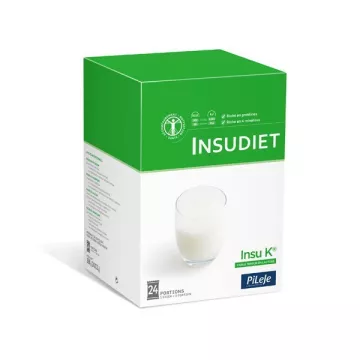
A meal replacement is a regulated food product designed to replace a full meal while providing a balanced and controlled nutritional profile. In Europe, meal replacements intended for weight management are governed by EU Regulation 609/2013 (FSMP — Food for Special Medical Purposes) — they must provide between 200 and 400 kcal and meet minimum requirements for protein, vitamins, and minerals per serving. Explore our line of high-protein diets.
What is a meal replacement?
A meal replacement is a nutritionally complete product (shakes, bars, soups, or powders) formulated to replace a main meal. It should be distinguished from protein snacks—the latter supplement the diet without claiming to provide all the nutrients of a meal. By regulation, a meal replacement must meet minimum protein content requirements (25–50% of calories), have a controlled fatty acid profile, and provide guaranteed levels of vitamins and minerals. It is not a medical treatment—in cases of strict diets or associated medical conditions, medical or dietary supervision is recommended.
Meal Replacement vs. Protein Snack: What’s the Difference?
This distinction is important for choosing the product that best suits your goals.
- Meal replacement: replaces a full meal—balanced nutritional profile (protein, carbohydrates, fat, vitamins, minerals), 200–400 kcal per serving, regulated by EU Regulation 609/2013
- Protein snack (whey, bars, capsules): targeted protein intake, complementary to meals—not regulated as a meal replacement
- Oralnutritional supplement (ONS): requires a doctor’s prescription for cases of severe malnutrition—different from meal replacements intended for the general public
- For building muscle mass without calorie restriction: protein is more suitable than meal replacements
How to choose a high-quality meal replacement?
The nutritional profile is the key factor.
- Protein: at least 25% of calories—check the source (whey, casein, plant-based proteins) and the biological value
- Glycemic index: Choose formulas with a low or moderate GI, containing soluble fiber for prolonged satiety
- Vitamins and minerals: guaranteed levels covering at least 30% of the RDA per serving— vitamin D3, magnesium, iron, and zinc are essential
- No excessive added sugars, no questionable sweeteners, no unnecessary additives
- GMP-certified, with a complete list of ingredients and nutritional values on the label
How can you incorporate meal replacements into your daily routine?
Incorporation must follow guidelines to maintain a balanced diet.
- Replace no more than 1 to 2 meals per day—a traditional, balanced meal should always be included
- Supplement with fruits, vegetables, and high-fiber foods during other meals
- Follow the recommended treatment duration—prolonged use for several weeks without medical supervision may lead to deficiencies in micronutrients not covered by the product
- Gradually transition back to a normal diet after the program — avoid the yo-yo effect
- Never use during pregnancy without prior medical advice
Meal Replacements and Blood Sugar: What Precautions Should Be Taken?
Blood sugar management is a key consideration when choosing meal replacements.
- People with managed diabetes should consult their doctor before use—meal replacements may alter insulin or hypoglycemic medication requirements
- Choose formulas with a low glycemic index (high in soluble fiber, high in protein)—see our blood sugar control page
- People with prediabetes or those monitoring their blood sugar may benefit from specialized formulas—check the carbohydrate content per serving
- Avoid meal replacements enriched with simple sugars, high-GI maltodextrin, or sweeteners with a strong impact on gut health
Precautions and contraindications?
Several situations require special attention or are contraindicated.
- Pregnancy and breastfeeding: contraindicated without medical advice—nutritional needs are specific
- Minors: Not suitable without medical supervision
- Kidney or liver failure: Avoid high-protein formulas—medical or dietary advice is essential
- Food allergies: check the ingredients (milk, soy, gluten, tree nuts, depending on the formula)
- Eating disorders: meal replacements may exacerbate certain conditions—specialized support is recommended