What is a matte finish on the skin?
In cosmetics,a matte finish refers to a skin finish without excessive shine, as opposed to a shiny or “oily” appearance. It does not mean that the skin is dry or stripped of its protective lipids: rather, it reflects better visual and physiological control of sebum on the skin’s surface, as well as an even diffusion of light by the soft pigments in skincare products or makeup.
Biologically speaking, shine results primarily from the reflection of light off the sebum-rich hydrolipidic film, particularly in the T-zone (forehead, nose, and chin). A matte complexion corresponds to regulated sebum production, less dilated pores, and a balanced surface film that absorbs or diffuses light rather than reflecting it like a mirror. See also “skin shine” for related biological explanations.
Why choose a matte finish for everyday use?
There are several reasons for this aesthetic and skin-care choice:
- Visual comfort: a less shiny complexion appears more even and well-rested, particularly on combination and oily skin.
- Reduced appearance of enlarged pores and imperfections.
- Makeup (foundation, blush, eyeshadow) stays on better when applied over a matte base.
- Fewer midday touch-ups for combination and oily skin.
- Visible reduction in inflammation associated withexcess sebum and impurities.
- Comfort in hot, humid, or stressful environments where seborrhea is exacerbated.
The matte effect remains a matter of aesthetic preference: on dry skin, a slightly satiny or dewy finish may be preferred to avoid looking too dull. Balance is key.
Which cosmetic active ingredients provide a mattifying effect?
Several active ingredients work together to create a matte finish:
- Niacinamide (vitamin B3, 4–10%): regulates sebum production, visually minimizes pores, and soothes redness. Very well tolerated.
- Salicylic acid (BHA, up to 2% in cosmetics according to Regulation (EC) No. 1223/2009): a gentle keratolytic that unclogs pores and smooths skin texture. Use with sun protection (slightly photosensitizing).
- Zinc in the form of PCA, gluconate, or lactate: gently regulates sebum production; beneficial for combination to oily skin.
- Purifying clays as a weekly mask: absorb excess sebum; avoid daily use (risk of drying out the skin).
- Witch hazel, burdock, stinging nettle, rosemary: gentle astringent plant extracts.
- Optical absorbing pigments in formulations: amorphous silica, perlite, mattifying mica, kaolin, rice/corn starch—they diffuse or absorb excess light on the skin’s surface, providing an immediate and visible effect.
- Hyaluronic acid and glycerin in small amounts: maintain proper hydration without weighing the skin down.
A common mistake is using too many astringents or alcohol-based products: the stripped skin reacts with reactive seborrhea (a rebound effect). A long-lasting matte finish depends on balance, not harsh treatment.
How can you maintain a matte finish all day long?
A few steps to make the matte finish last:
- Gently cleanse morning and night with a syndet or soap-free gel—never use scalding hot water.
- Apply a sebum-regulating serum (niacinamide, zinc).
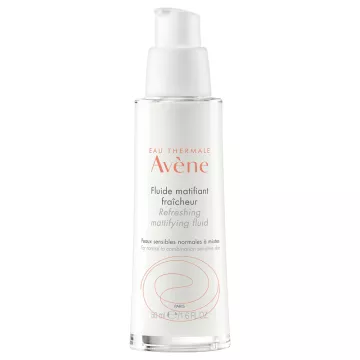
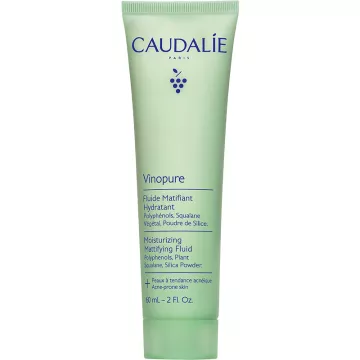
- Use a non-comedogenic moisturizer with a fluid or gel-cream texture—moisturizing does not increase shine; on the contrary, it prevents reactive seborrhea.
- Use SPF 30 to 50 sunscreen with a matte or powdery finish: modern formulations are available as gels, fluids, or oil-control creams. See sunscreen.
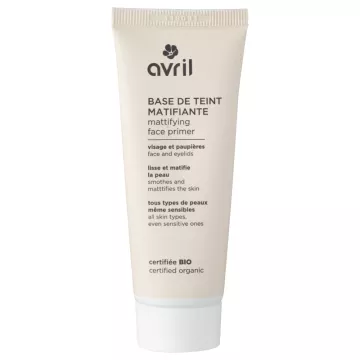
- A mattifying primer before makeup, if necessary.
- Translucent loose or pressed powder for touch-ups, applied by patting (not by rubbing).
- Use blotting papers throughout the day to absorb excess sebum without smudging makeup or overloading the skin with powder.
- Limit overly occlusive oils and highly comedogenic oils (such as raw coconut oil applied in a thick layer or heavy butters) on the T-zone.
- Lifestyle: Get enough sleep, manage stress, and eat a balanced diet—sebum production is also influenced by hormonal balance and your daily routine.
What cosmetic innovations offer long-lasting matte results?
Several recent developments in laboratories are improving the staying power and skin tolerance of mattifying skincare products:
- Biodegradable absorbent microspheres that replace plastic microbeads (banned in Europe for rinse-off cosmetics in several categories since 2018).
- Amorphous silica particles, micronized perlite, and rice starch sourced from the food industry.
- Film-forming polymers (silicones, polysaccharides) that absorb excess sebum throughout the day.
- Topical probiotics and postbiotics (Lactobacillus lysate, Bifidobacterium lysate) that target the skin microbiome to rebalance oily or blemish-prone skin.
- High-concentration niacinamide for daily use, better tolerated than older generations of alcohol-based sebum-regulating products.
- New-generation matte SPFs, lightweight and fluid, without a “mask-like” effect on the skin.
- Targeted phytotherapy approaches (such as saw palmetto extract, for example, to act on 5α-reductase on the skin’s surface, without being intended for medical use).
Which skin types benefit from a mattifying effect?
Not all skin types have the same need for a matte finish:
- Oily skin: high and consistent sebum production, enlarged pores, and shine that appears early in the day. A matte finish is both effective and desirable.
- Combination skin: shiny T-zone (forehead, nose, chin), normal to dry cheeks. The mattifying effect is targeted locally, without drying out the thinner areas. See combination skin.
- Acne-prone skin: dual benefits—aesthetic and anti-seborrhea. Prioritize sebum-regulating and gentle pore-unclogging active ingredients (BHA, niacinamide), and combine with a routine tailored foracne.
- Dry or very dry skin: A matte finish is not the goal. The priority remains hydration and restoring the skin’s protective barrier.
- Mature skin: An overly matte finish can visually accentuate fine lines and create a dull appearance. A luminous, satiny finish is often more flattering, except on certain localized shiny areas.
- Skin prone to blemishes (blackheads, microcysts, papules): A matte finish helps visually minimize blemishes and shine around the affected areas.
What’s the difference between a matte finish and a glow finish?
Two contrasting yet coexisting finishes in contemporary cosmetics:
- Matte finish: no shine, with a powdery or velvety texture. Diffuses light and visually minimizes pores and inflammation. Suitable for combination and oily skin, the T-zone, and the “clean” and “no shine” looks.
- Satin finish: an intermediate finish, slightly luminous without being excessive. Often considered the most natural look for normal and combination skin.
- Glow or “dewy” effect: a luminous, almost dewy finish that highlights the cheekbones and the skin’s health. Preferred for dry, mature, or dehydrated skin, or simply to achieve a “healthy glow.”
No finish is superior to another: the choice depends on skin type, the time of day, the climate, and personal aesthetic preferences. Many current skincare routines combine a matte finish on the T-zone with a targeted glow on the cheekbones (“reverse strobing” technique).
What precautions should you take with mattifying skincare products?
A few precautions to avoid damaging the skin:
- Avoid routines based exclusively on astringent and alcohol-based active ingredients (denatured alcohol listed first in the INCI): when stripped of its hydrolipidic film, the skin may react by overproducing sebum (rebound effect) and developing chronic sensitization.
- Do not overuse daily chemical exfoliants (simultaneous use of BHA, AHA, and retinol): this carries a risk of irritation, a compromised skin barrier, and photosensitivity.
- Maintain hydration: a modern mattifying skincare product combines sebum regulation with light hydration. Do not confuse mattifying with drying out the skin.
- Always use sun protection, especially when usingsalicylic acid or retinol (photosensitization).
- Test any new product on the inner elbow for 24 to 48 hours, especially on reactive skin.
- Adapt your routine to the season: skin tends to be more oily in the summer (heat, sweat) and often more sensitive in the winter (heating, dry cold).
- For acne-prone skin undergoing medical treatment (topical retinoids, benzoyl peroxide, topical antibiotics), consult a doctor or pharmacist regarding the compatibility of mattifying cosmetics.
Does the mattifying effect disrupt the skin’s balance?
A well-achieved matte finish does not harm the skin’s health: it means that sebum production is better regulated and that the hydrolipidic film remains balanced. This is the appearance of **healthy skin** on skin prone to oiliness.
On the other hand, a “forced” matte effect caused by products that are too harsh or unsuitable can lead to:
- Reactive dryness (tight skin, fine flaking).
- A compromised skin barrier, with increased sensitivity to cosmetics, the sun, and cold.
- Reactive seborrhea (a rebound effect) where the dried-out skin produces more sebum to compensate.
- Paradoxical shine midday despite a mattifying routine.
- Weakening of the skin microbiome.
The right approach: gentle regulation, preserved hydration, moderate exfoliation, and consistent sun protection.
What is the environmental impact of mattifying cosmetics?
Mattifying cosmetic formulations have evolved with sustainability in mind:
- Gradual phase-out of plastic exfoliating microbeads, which have been banned in Europe for rinse-off cosmetics since 2018 in several categories.
- Replacement of synthetic microspheres with mineral powders (silica, perlite) or biodegradable particles (starch, rice wax).
- Water-based formulations, rich in concentrated active ingredients, with fewer preservatives.
- Refillable containers, glass bottles, and packaging made from recycled or bio-based plastic.
- Sunscreens that are less toxic to marine ecosystems (oxybenzone and octinoxate are gradually being replaced by new-generation mineral and organic filters).
- Organic cosmetics standards (COSMOS Organic, Cosmébio, Nature & Progrès) for skincare routines that combine environmental standards with effectiveness.
- Reduction of volatile organic compounds (VOCs) in sprays and hairsprays.
- “Cruelty-free” labeling and no animal testing (banned in the European cosmetics industry since 2013).
Choosing a mattifying cosmetic can incorporate these sustainability criteria, in addition to the expected performance on the skin.