What are the main causes of skin impurities?
Skin impurities refer to the visible signs of an imbalance in the skin: excess sebum, shine, comedones (blackheads and microcysts), pimples, and a dull complexion. Several factors play a role:
- Hormones: The stimulation of the sebaceous glands by androgens plays a major role during puberty, the menstrual cycle, pregnancy, menopause, or in cases of polycystic ovary syndrome.
- Environment: Air pollution (microparticles, ozone), climate changes, and hard water, which alter the skin barrier and can clog pores.
- Inappropriate skincare routine: products that are too occlusive, incomplete makeup removal, or aggressive over-cleansing (which triggers a sebum rebound effect).
- Hygiene of accessories: pillowcases, makeup brushes, and sponges that trap sebum and bacteria.
- Stress and insufficient sleep: recognized aggravating factors foracne flare-ups.
- Diet: Several studies have observed that foods with a high glycemic index and dairy products (especially skim milk) can worsen acne, with varying effects depending on individual profiles.
- Smoking: impairs skin quality and promotes sebum buildup.
How can you prevent breakouts?
A well-followed, tailored routine helps limit most aggravating factors:
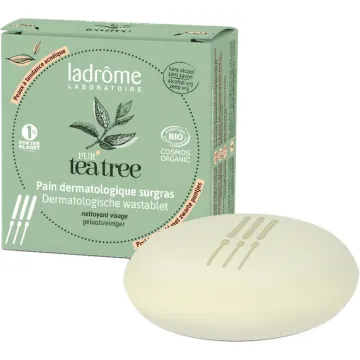
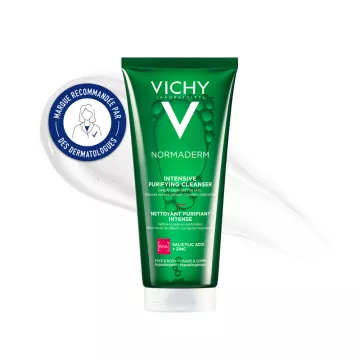
- Gently cleanse morning and night with a syndet or a gel with a pH close to 5.5.
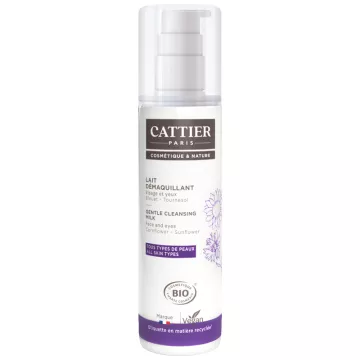
- Always remove makeup before bed if you’ve worn it or used water-resistant sunscreen (double-cleanse if necessary).
- Light, non-comedogenic moisturizer in gel or fluid form.
- Use SPF 30 to 50 sunscreen year-round, in a non-comedogenic fluid formula.
- A varied diet rich in fruits, vegetables, legumes, and omega-3s; limit added sugars and ultra-processed foods.
- Regular hydration throughout the day according to individual needs.
- Stress management (physical activity, adequate sleep, breathing techniques).
- Accessory hygiene: change pillowcases 1 to 2 times a week; clean brushes and sponges regularly.
- Do not squeeze or scratch lesions to minimize the risk of permanent scarring.
What treatments are available for acne-prone skin?
For acne-prone skin, the approach is tailored to the severity of the condition (SFD/HAS recommendations):
- Topical cosmetics: salicylic acid (BHA, max 2% in cosmetics according to EC Regulation 1223/2009—photosensitizing), niacinamide, low-concentration alpha-hydroxy acids, cosmetic azelaic acid.
- Benzoyl peroxide (2.5% to 5%): available at pharmacies with a pharmacist’s advice or by prescription, depending on the concentration. Photosensitizing; bleaches textiles and bedding; initially irritating.
- Prescription topical retinoids (adapalene, tretinoin, topical isotretinoin): the standard of care for comedonal lesions. Photosensitizing agents; some are contraindicated during pregnancy. Not to be confused with over-the-counter cosmetic retinol, which is less potent.
- Topical antibiotics (clindamycin, erythromycin): always used in combination to limit bacterial resistance; available by prescription.
- Prescriptionoral treatments: cyclines (doxycycline, lymecycline) in short courses; hormonal therapy for women in certain situations; oral isotretinoin for severe forms (teratogenic; ANSM pregnancy prevention program; strict laboratory monitoring).
- Appropriate sun protection during and after treatment, especially when using photosensitizing active ingredients.
What natural remedies are there for skin blemishes?
Several approaches can complement the routine for mild cases:
- Pure aloe vera gel, which is soothing and well-tolerated.
- Honey (Manuka or other) as an occasional mask: traditionally known for its soothing and antibacterial effects, though clinical data specifically regarding acne is limited. Test for individual tolerance.
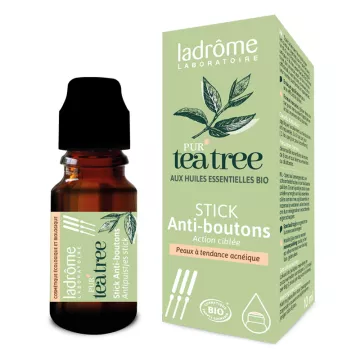
- Tea tree essential oil diluted to a maximum of 1% in a carrier oil, applied as needed. Test on the inner elbow for 24 to 48 hours. Standard precautions: pregnancy, breastfeeding, children under 7 years of age, potential for sensitization.
- Green or white clay as an occasional mask; rinse off before it dries completely to avoid irritation.
- Witch hazel hydrosol, gentle and soothing for combination skin (prefer alcohol-free formulas).
Avoid: undiluted lemon (photosensitization due to furocoumarins), toothpaste, and baking soda applied topically (online remedies with no proven efficacy; pose a risk to the skin barrier).
How can you identify your skin type when dealing with blemishes?
Identifying your skin type helps you choose a suitable skincare routine:
- Oily skin: a uniform, shiny appearance across the entire face, more visible pores, and a tendency toward blackheads and pimples.
- Combination skin: T-zone (forehead, nose, chin) is oilier; cheeks are normal to dry. See also combination skin.
- Dry skin: feels tight, looks dull, sometimes irritated or flaky, less prone to blackheads. See also dry skin.
- Normal skin: relatively balanced, few issues.
- Sensitive skin (across these categories): redness, tingling, frequent intolerances.
- Acne-prone skin: a profile that may overlap with the previous types.
A consultation with a dermatologist or advice from a pharmacist can help confirm your skin type and adjust your skincare routine.
What innovations are available to treat skin impurities?
Several technologies are used in medical or aesthetic clinics:
- LED light therapy: Blue light (~415 nm) targets *Cutibacterium acnes* and can complement the treatment of mild to moderate acne. Red light helps reduce inflammation. Protocols are administered in a clinical setting.
- Microdermabrasion: gentle mechanical exfoliation using crystals or a diamond-tipped head, performed in a clinic.
- Superficial chemical peels using glycolic, salicylic, mandelic, or lactic acid. Strict sun protection is required after the procedure.
- Microneedling in a medical office under strict aseptic conditions (self-use at home is not recommended).
- Lasers and IPL as medically indicated for residual marks and to improve skin texture.
- Hydrofacial: combined suction and exfoliation performed in a clinic.
Each procedure is discussed during a consultation to assess the patient’s profile, skin type, and the risk-benefit ratio.
What role does diet play in preventing skin blemishes?
Diet contributes to skin health:
- Antioxidants: berries, citrus fruits, green vegetables, nuts and seeds; vitamins A (carotenoids), C, and E.
- Omega-3: fatty fish, nuts, flaxseeds, canola oil; effect on systemic inflammation.
- Zinc and selenium: seafood, meats, nuts and seeds; beneficial in cases of proven deficiency.
- Limit added sugars, ultra-processed foods, and foods with a high glycemic index.
- Monitor the potential effect of skim milk products on acne flare-ups based on individual profiles.
- Regular hydration as needed.
Empirical elimination diets are not recommended, particularly in children and adolescents. Seeking medical or dietary advice allows for an individualized approach.
How does daily makeup use affect the skin?
Daily use of makeup is not problematic in itself on healthy skin, but a few precautions are necessary:
- Choose products labeled “non-comedogenic” and dermatologically tested.
- Opt for lightweight or foam textures for acne-prone skin.
- Always remove makeup at the end of the day; double-cleanse if using long-wear makeup or water-resistant SPF.
- Keep brushes and sponges clean (wash regularly with warm water and mild soap, and let them dry completely).
- Do not share makeup products.
- Follow the PAO (period after opening) and storage instructions.
- Adjust coverage and formulation to suit your skin’s condition, especially during breakouts.
What is the best skincare routine for blemish-prone skin?
A suitable routine is based on a few simple principles:
- Gentle cleansing morning and night (syndet or gel with a pH close to 5.5).
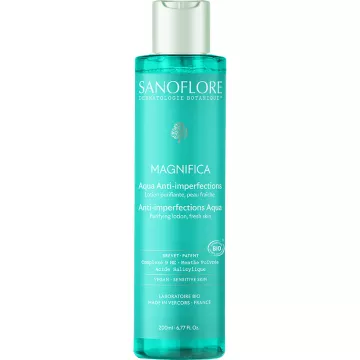
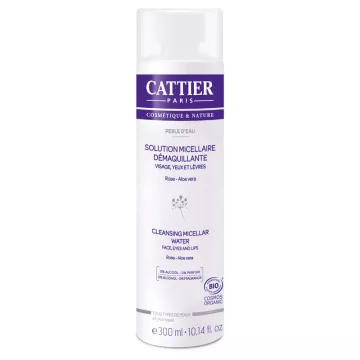
- Toner or micellar water as needed, without excessive denatured alcohol.
- A targeted serum containing proven active ingredients (0.5% to 2% salicylic acid, 2% to 10% niacinamide, zinc PCA, cosmetic-grade azelaic acid), to be introduced one at a time and gradually.
- Light, non-comedogenic moisturizer.
- SPF 30 to 50 sunscreen in a lightweight, non-comedogenic formula, applied in the morning year-round.
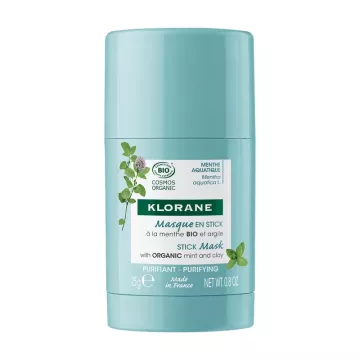
- Occasional purifying clay mask (once a week, depending on tolerance).
- Do not layer strong active ingredients simultaneously (AHAs + BHAs + retinoids + benzoyl peroxide), as this can compromise the skin barrier.
- Regular dermatological consultations allow you to adjust your routine if you see no improvement or if your condition worsens, particularly in cases of persistent blackheads or inflammatory pimples.