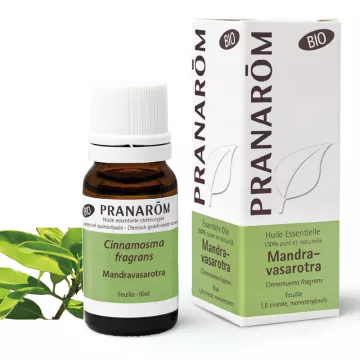
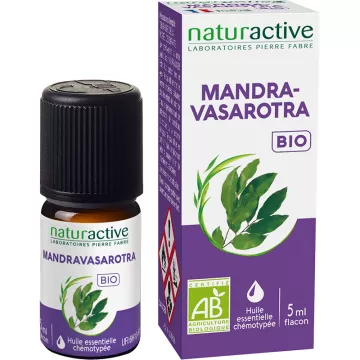
Mandravasarotra (Cinnamosma fragrans), also known as Saro, is a shrub native to Madagascar whose essential oil is rich in 1,8-cineole (30–45%), α-terpineol, and sabinene. This monoterpenol profile gives it respiratory, invigorating, and purifying properties similar to those of ravintsara —with which it is often combined or used interchangeably in winter treatment protocols. Explore our range of products for winter ailments and aromatherapy.
What is mandravasarotra (Saro)?
Saro belongs to the Cinnamellaceae family—distinct from the Myrtaceae family of niaouli and tea tree —but with a similar biochemical profile. Its essential oil contains primarily 1,8-cineole (eucalyptol, 30–45%), α-terpineol, sabinene, and linalool, which gives it both respiratory benefits (cineole) and a nerve-balancing effect (linalool, terpineol). A plant endemic to Madagascar, it is distilled from the leaves and twigs—sourced through sustainable harvesting practices. Malagasy vernacular name: “Mandravasarotra” = “that which wards off evil.”
Mandravasarotra and respiratory comfort?
The dominant 1,8-cineole in Saro makes it a leading respiratory active ingredient—similar toeucalyptus but with a milder profile.
- Expectorant and mucolytic: 1,8-cineole (eucalyptol) thins bronchial secretions—supporting respiratory comfort during colds and seasonal ENT conditions
- Topical application to the chest: 3–5% in a vegetable oil (arnica, calophyllum)—chest and back massages 2 to 3 times a day
- Inhalation: 3–4 drops in a bowl of hot water, 10 minutes with head covered—clears the upper respiratory tract
- Reflex rub: a few drops diluted on the soles of the feet or the wrists — used as a preventative measure during winter illnesses
- Diffusion: 8–10 drops in an ultrasonic diffuser — air purification and gentle respiratory support
Mandravasarotra vs. ravintsara: What are the differences?
A comparison with ravintsara is inevitable—two Madagascan essential oils with similar respiratory profiles but distinct biochemical compositions.
- Ravintsara (Cinnamomum camphora, ct. 1,8-cineole): 50–65% 1,8-cineole — more potent, more stimulating respiratory action
- Mandravasarotra / Saro (Cinnamosma fragrans): 30–45% 1,8-cineole + α-terpineol + linalool—a more balanced, gentler profile, with effects better suited for sensitive individuals
- Saro is often preferred for children (over 6 years old) and the elderly due to its broader tolerance
- Synergistic combination: Saro + ravintsara + niaouli — comprehensive winter immune-boosting regimen
- See our immunity and respiratory health line
Mandravasarotra and immune system support?
The α-terpineol and linalool in Saro contribute to its documented immunostimulatory action in aromatherapy.
- Immunostimulant: α-terpineol modulates the activity of macrophages and NK cells—supporting natural defenses during periods of vulnerability
- Winter preventive protocol: 5 drops on the soles of the feet diluted in 5 drops of carrier oil, once a day, 5 days a week
- Combine with tea tree oil for a purifying synergy for the skin and respiratory system
- For preventive diffusion: Saro + spruce + Scots pine—20 minutes in the morning
Mandravasarotra and nervous system well-being?
Saro has a more balancing effect on the nervous system than most cineole-dominant respiratory essential oils.
- Linalool and α-terpineol have a calming effect on the central nervous system—supporting relaxation and sleep quality
- Tonic without being overly stimulating — suitable for evening use, unlike ravintsara (too stimulating) and eucalyptus globulus
- Supports chronic fatigue and winter nervous exhaustion—mild adaptogenic profile
- Evening diffusion: Saro + true lavender + frankincense—20 minutes before bedtime
Precautions and contraindications?
Saro is one of the best-tolerated cineole-based essential oils—standard precautions for oxide-based essential oils apply.
- Pregnant and breastfeeding women: not recommended — 1,8-cineole crosses the placental barrier
- Children under 6 years of age: avoid — cineole can cause laryngeal spasms in young children; never apply to the face or nostrils
- People with asthma: medical advice recommended—cineole may cause bronchospasms in people with severe asthma
- Always dilute to 3–5% for topical use—may cause irritation if applied undiluted
- Mild stimulant: Avoid prolonged diffusion late in the evening if you have trouble sleeping