0
Menu

Boosting Male Fertility

Filter
Number of products : 9
Sort
Sort
Close
NHCO Zinc Amino-Chelate 84 capsules NHCO Zinc Amino-Chelate 84 capsules
€16.90
Shipped within 24h
Gametix M Biotic+ Male Fertility, 30 packets Gametix M Biotic+ Male Fertility, 30 packets
€27.45
Shipped within 24h
Conceptio Duo Pack Men + Women Granions Conceptio Duo Pack Men + Women Granions
€49.55
Shipped within 24h
Gamétix M Male Fertility Densmore Gamétix M Male Fertility Densmore
sachets box of 30 +
€24.45
Add to cart
Shipped within 24h
Isitol Male Fertility, 30 sachets, Besins Isitol Male Fertility, 30 sachets, Besins
€19.49
Shipped within 24h
Andromas Fertility Powder 30 sachets Andromas Fertility Powder 30 sachets
€43.19
Shipped within 24h
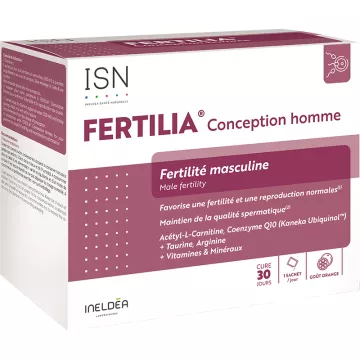
Fertilia Men's Fertility by Ineldea Fertilia Men's Fertility by Ineldea
€24.35
Replenishment in progress

What is male fertility?

Male fertility refers to a man’s ability to contribute to conception, based on the quality, quantity, motility, and morphology of his sperm. Several factors come into play: testicular production, hormonal balance, and genetic integrity.

Many modifiable factors influence male fertility: diet, sleep, stress, tobacco, alcohol, exposure to heat, and a sedentary lifestyle. A 3- to 6-month optimization program often yields measurable results (since the complete cycle of spermatogenesis lasts approximately 74 days). Additional resources are available for fertility and preconception care in general.

Which nutritional factors should be prioritized?

Diet plays a direct role in sperm quality:

  • Antioxidants from colorful fruits and vegetables (vitamins C and E, polyphenols)
  • Omega-3s from fatty fish, canola oil, walnuts, and flaxseed
  • High-quality protein and complex carbohydrates with a low glycemic index
  • Limit ultra-processed foods, simple sugars, trans fats, and excessive alcohol

Several supplements support spermatogenesis when taken under a pharmacist’s guidance: zinc, selenium, coenzyme Q10, vitamins C and E, L-carnitine, folate. Specific resources are available for zinc, selenium, coenzyme Q10, and omega-3s in general.

Which lifestyle factors should be changed?

Several practical adjustments can lead to lasting improvements in fertility:

  • Quitting smoking: harmful cadmium and lead, documented decline in sperm quality
  • Limit alcohol consumption: reduced testosterone levels and impaired sperm quality when consuming more than 2–3 drinks per day
  • Maintain a healthy weight: being overweight increases hormonal imbalances
  • Moderate physical activity: 150 minutes per week according to the WHO (extreme endurance sports can actually be counterproductive)
  • Avoid testicular heat: limit prolonged hot baths, saunas, using a laptop on your lap, and tight underwear

Specific resources are available for male libido andmen’s overall health.

Stress and sleep: what is the impact?

Chronic stress lowers testosterone levels and impairs sperm production. Insufficient sleep has been shown to disrupt hormonal balance.

  • 7 to 9 hours of sleep per night, at regular times
  • Cardiac coherence, meditation, yoga, walking outdoors
  • Limit screen time in the evening and truly unplug

Specific resources are available regarding stress, sleep, and magnesium in general.

When should you see a specialist?

A medical consultation is necessary in several situations:

  • Failure to conceive after 12 months of regular unprotected intercourse (6 months if the partner is over 35)
  • History of cryptorchidism, varicocele, genital infections, or testicular trauma
  • Associated erectile or ejaculatory disorders
  • Medications that may affect fertility
  • Occupational exposure to toxic substances (pesticides, solvents, heavy metals, heat)

The primary care physician will refer the patient to a urologist, andrologist, or assisted reproductive technology (ART) center, depending on the circumstances. A semen analysis remains the gold standard test. Your pharmacist remains a valuable resource for recommending appropriate dietary supplements and guiding you through the initial steps, in addition to specialized medical care. Specific resources are available to support conception in general.