
When dealing with an injury, following a strict first-aid protocol is key to ensuring proper healing and reducing the risk of infection. The essential steps are:
Propolis (bee resin, flavonoids + phenolic acids) is a versatile, broad-spectrum natural antiseptic—available as a solution or cream—particularly useful for minor wounds in the field or while traveling.
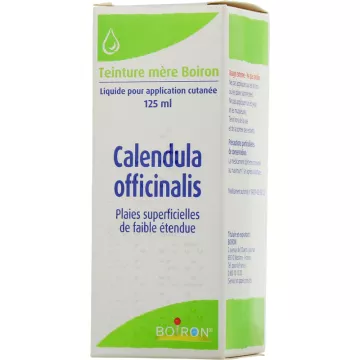
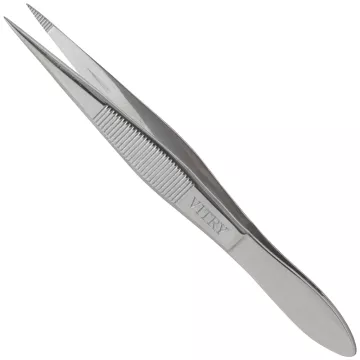
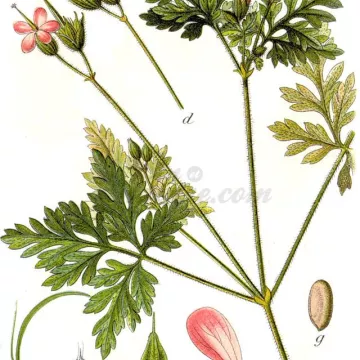
A splinter must be removed quickly to prevent infection and encystment. The correct method: Disinfect the area and the Vitry Inox splinter remover (heated over a flame and then cooled), grasp the splinter at its base, pull straight along the path of entry with a firm, continuous motion, and disinfect the area again after removal. Robert’s Geranium (Geranium robertianum, IPHYM, tannins + flavonoids) is a traditional hemostatic herb used for minor wounds. Shepherd’s Purse (Capsella bursa-pastoris, IPHYM) is the most commonly used hemostatic herb in herbal medicine—either as a poultice of crushed fresh leaves or as a concentrated infusion applied topically. Calendula (Calendula officinalis TM Boiron) is a standard, gentle wound-healing agent and antiseptic—apply a few drops of the mother tincture diluted in water as a compress to the cleaned wound.
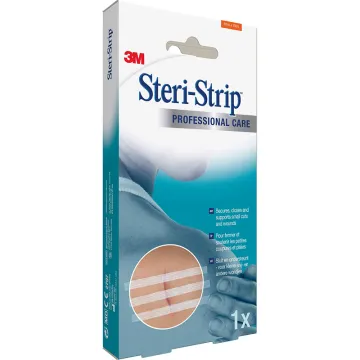
Steri-Strips (3M, 6x100mm) are recommended for clean, well-defined, shallow linear wounds—they bring the edges together without anesthesia or sutures. The technique: Clean and dry the wound thoroughly, then apply the strips perpendicular to the wound from the center, leaving a space between each strip to allow exudate to drain. Steri-Strips are not a substitute for medical sutures for deep wounds (muscle, tendon), facial wounds, star-shaped wounds, or wounds larger than 2 cm.Tea tree essential oil (terpinen-4-ol) is the go-to natural antiseptic for small wounds—apply 1 drop diluted in a vegetable oil or on a compress after cleaning.
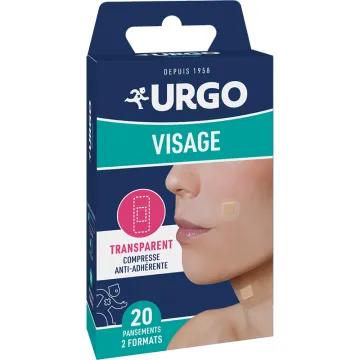
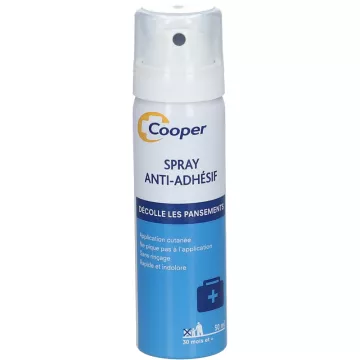
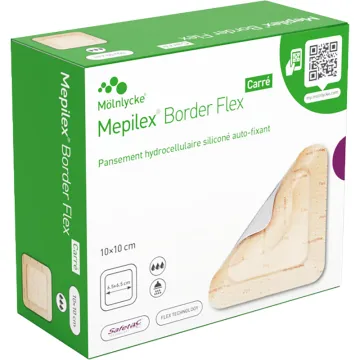
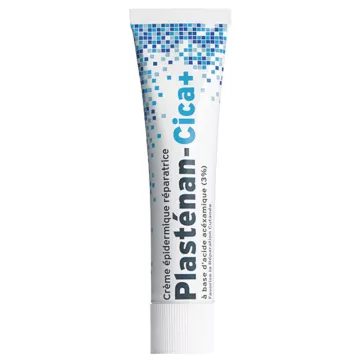
For flat, clean wounds: simple dressings (Urgo Special Face, transparent; painless removal thanks to Cooper Anti-Adhesive Spray). For exudative wounds: Mepilex Border Flex (self-adhesive silicone-based hydrocellular dressing)—its layers of polyurethane foam absorb exudate while maintaining a moist environment, and its silicone adhesive peels off painlessly without tearing the skin. For minor injuries: Plastenan-Cica+ (zinc + dexpanthenol + allantoin). It is essential to monitor for signs of skin infection after any injury—spreading redness, warmth, pus, or fever require immediate medical attention.
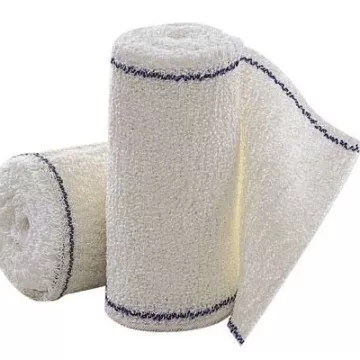
The Marque-Verte Cotton Crepe Bandage (5 cm x 4 m) is a first-aid kit essential—it secures a dressing over a joint, provides light compression after a sprain, and applies pressure to a bleeding wound. The Essential Oil Wound Treatment (spearmint lavender + niaouli + rockrose + helichrysum in a vegetable oil base) is a versatile natural remedy for small, clean wounds—spearmint lavender numbs and promotes healing, niaouli is antimicrobial, rockrose is hemostatic. Pocket-sized skin disinfectants (chlorhexidine gel, Biseptine spray) round out the kit for quick disinfection without running water—essential for hiking, travel, or sports.