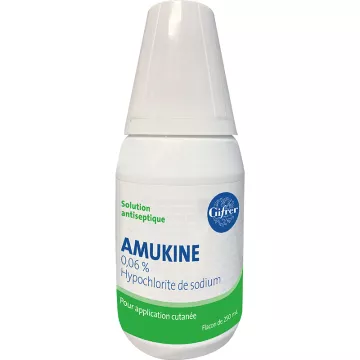
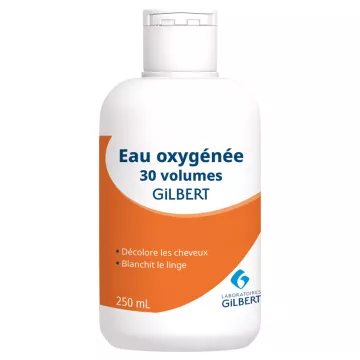
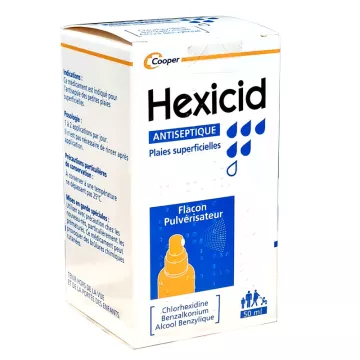
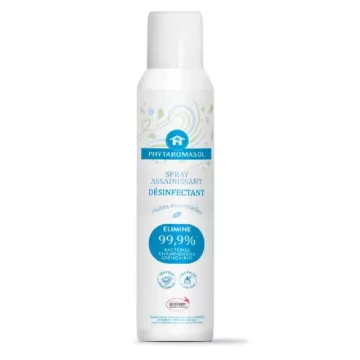
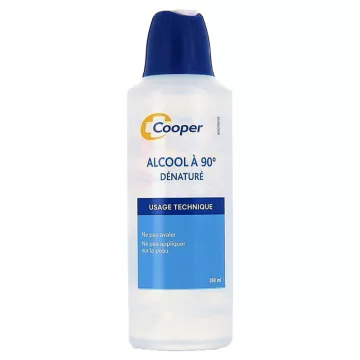
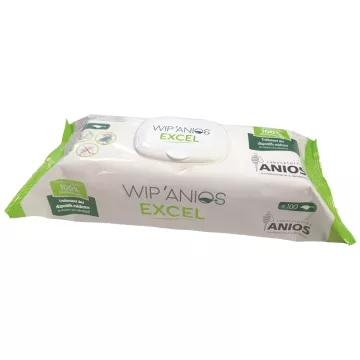
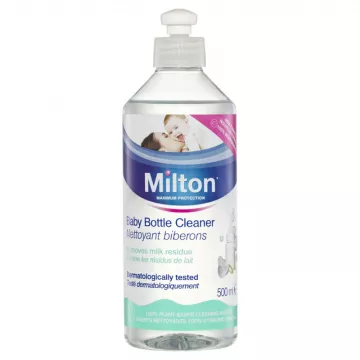
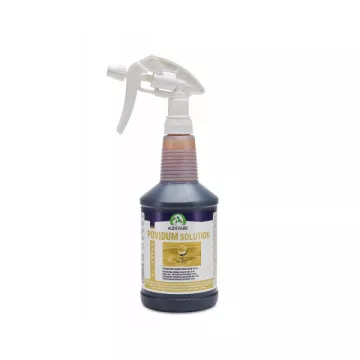
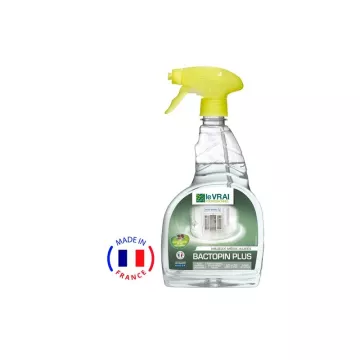
A disinfectant is a chemical substance used to eliminate or inactivate pathogenic microorganisms on inanimate surfaces—such as countertops, medical equipment, doorknobs, and hospital surfaces. It works by damaging the cell membranes of bacteria, denaturing their proteins, or interfering with their genetic material. This definition excludes any application to living skin, which is the domain of antiseptics —a fundamental distinction in the field of over-the-counter healthcare products. A disinfectant must never be applied to the skin or ingested, even accidentally, due to its cutaneous and systemic toxicity. Disinfectants and antiseptics are available in the store’s disinfectants and antiseptics section.
The most common disinfectants in pharmacy and household hygiene include compounds based on ethyl alcohol (≥ 70%—virucidal against enveloped viruses, including coronaviruses), sodium hypochlorite (bleach—broad-spectrum bactericidal, virucidal, and sporicidal; must be diluted depending on the surface), hydrogen peroxide (3% hydrogen peroxide solution—mild, non-irritating disinfectant for certain surfaces), and quaternary ammonium compounds (for medical and food-contact surfaces—bactericidal but less effective against spores and non-enveloped viruses). European regulations (BPR) require validation of efficacy and precise labeling—it is recommended to choose products that meet the EN 14476 (virucidal) or EN 1276 (bactericidal) standards.
A disinfectant’s effectiveness depends as much on how it is applied as on its composition. A common mistake is applying the disinfectant directly to a dirty surface: pre-cleaning with soap and water is essential to remove organic residues that neutralize the disinfectant’s active ingredients. Once the surface is clean and dry, apply a sufficient amount of disinfectant and allow it to remain in contact for the contact time specified by the manufacturer—generally 30 seconds to 5 minutes, depending on the product. This contact time is non-negotiable: wiping it off too soon negates the disinfectant’s effectiveness.
When using concentrated disinfectants (bleach, professional-grade products), protective gloves and proper ventilation of the room are necessary to prevent respiratory and skin irritation. Never mix two different disinfectants—combining bleach with vinegar or ammonia releases toxic gases (chlorine, chloramines). For areas frequented by children or pets, ventilate thoroughly after disinfecting and wait until surfaces are completely dry before allowing them access. Disinfectant solutions available at pharmacies are formulated for safe household use.
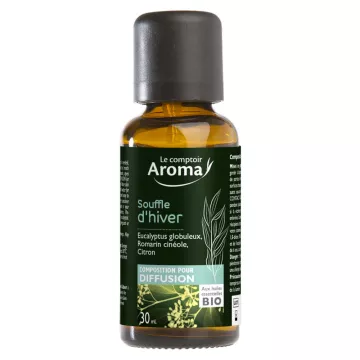
For those who wish to limit exposure to synthetic chemicals, certain natural alternatives offer partial disinfecting properties. Tea tree essential oil (terpinene-4-ol) has demonstrated antibacterial and antifungal activity in vitro against several strains—it can be used diluted in water (5 to 10 drops per 500 mL) for cleaning surfaces, but its spectrum of activity remains limited compared to approved disinfectants. White vinegar (5–8% acetic acid) has moderate bactericidal activity useful for routine cleaning, but is ineffective against viruses and spores. These solutions therefore serve as a complement to conventional disinfection in high-risk situations (immunocompromised individuals, epidemic periods). From an environmental perspective, choosing biodegradable disinfectants that are free of persistent chlorine and packaged in eco-friendly refillable formats helps reduce the environmental impact without compromising household hygiene.