What is energy metabolism, and how does it work?
Energy metabolism refers to the set of biochemical pathways through which the body converts dietary nutrients (carbohydrates, fats, proteins) into adenosine triphosphate (ATP)—the universal molecule of cellular energy. This process takes place primarily in the mitochondria of cells and is regulated by numerous vitamin-dependent enzymes. Energy-support supplements are available in the store’s vitamins and minerals section.
- Main metabolic pathways: glycolysis (breakdown of glucose into pyruvate—2 ATP) → Krebs cycle (pyruvate + acetyl-CoA → NADH + FADH₂) → mitochondrial respiratory chain (32–34 ATP) — lipids undergo beta-oxidation → acetyl-CoA → Krebs cycle — proteins provide glucogenic or ketogenic amino acids
- Factors influencing basal metabolism: muscle mass (primary determinant—muscle consumes 3× more energy at rest than adipose tissue) — age (sarcopenic muscle loss → decreased basal metabolism after age 30) — thyroid (T3 activates mitochondrial metabolism — hypothyroidism = metabolic slowdown) — body temperature (a 1°C fever increases basal metabolism by ~10%)
- Signs of a slowed metabolism: persistent fatigue despite adequate rest — unexplained weight gain — sensitivity to cold — slow digestion — brittle hair and nails — thyroid evaluation to be performed by a doctor if several associated signs are present
What nutrients and vitamins are essential for energy metabolism?
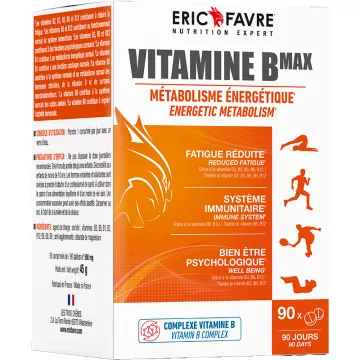
- Vitamin B1 (thiamine): coenzyme of pyruvate dehydrogenase (conversion of pyruvate to acetyl-CoA) and the Krebs cycle — essential for carbohydrate metabolism — deficiency = energy depletion and neurological disorders — EFSA health claim regarding normal energy metabolism
- Vitamin B2 (riboflavin): component of FAD (FADH₂—respiratory chain)—deficiency → fatigue and sensitivity to light—EFSA-validated claim regarding energy metabolism
- Vitamin B6: cofactor in amino acid and protein metabolism — supports muscle glycogenolysis — EFSA claim regarding energy metabolism
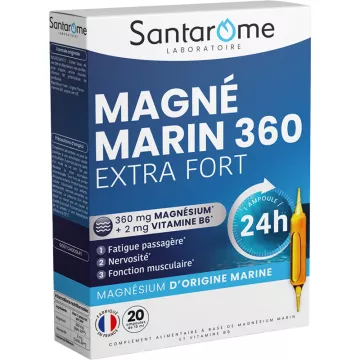
- Magnesium: cofactor for over 300 metabolic enzymes, including ATPases — involved in ATP synthesis and hydrolysis — deficiency = fatigue, cramps, muscle weakness — 300 to 400 mg/day of bisglycinate
- Coenzyme Q10: essential electron carrier in the mitochondrial respiratory chain (complexes I–III) — ATP production in muscle and heart cells — levels reduced by statins and aging — 100 to 200 mg/day ubiquinol
- L-carnitine: transporter of long-chain fatty acids into the mitochondria for beta-oxidation — supports the use of fats as fuel — potential deficiency in strict vegetarians — 1 to 2 g/day
- Alpha-lipoic acid: coenzyme of the pyruvate dehydrogenase complex + mitochondrial antioxidant — supports glucose metabolism — 200 to 600 mg/day
What practical strategies can you use to optimize your energy metabolism?
- Strength training and physical activity: resistance training 2 to 3 times per week — increases muscle mass = raises basal metabolic rate — prolonged post-exercise oxygen consumption (EPOC) — cardio 150 min/week (WHO)
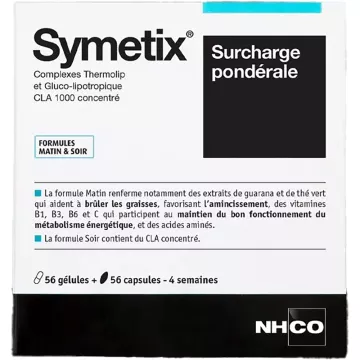
- Thermogenic foods: protein (thermic effect: 20–30% of calories consumed vs. 5–10% for carbohydrates) — green tea (EGCG + caffeine — documented mild thermogenic effect) — chromium (improves insulin sensitivity — stabilizes blood sugar — supports carbohydrate utilization)
- Sleep: 7 to 9 hours per night — sleep deprivation disrupts leptin and ghrelin levels, reduces insulin sensitivity, and slows mitochondrial metabolism
- Stress management: Chronic cortisol promotes muscle catabolism and abdominal fat storage — cardiac coherence, physical activity, meditation