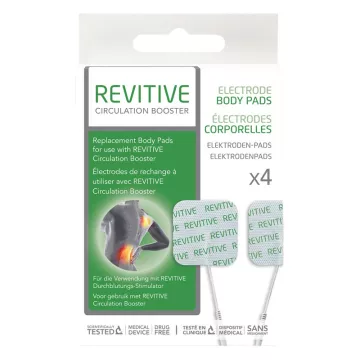
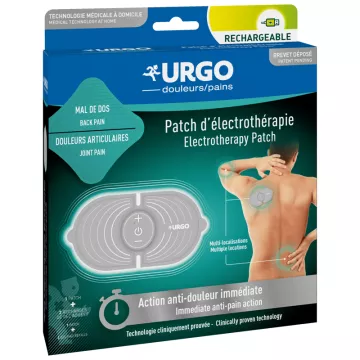
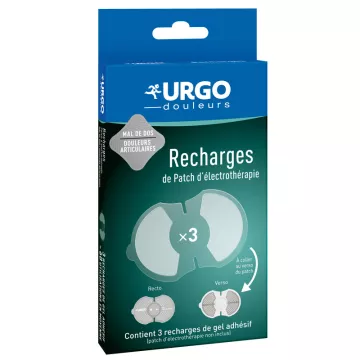
Electrotherapy refers to a set of medical techniques that use low-intensity electrical currents to relieve pain, stimulate muscles, and support tissue rehabilitation. It is part of the daily practice of physical therapy, physical medicine, and rehabilitation, and more recently, of supervised self-treatment using portable devices.
Electrotherapy devices intended for the general public are CE-marked medical devices subject to European medical device regulations. They serve as a useful complement to passive treatments, such as heating pads or heating patches, in the management of muscle pain and mild joint pain.
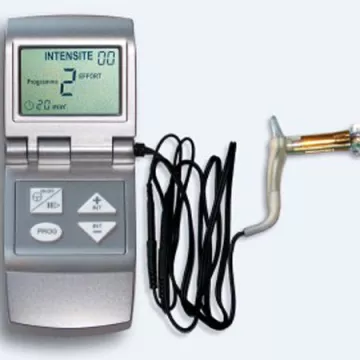
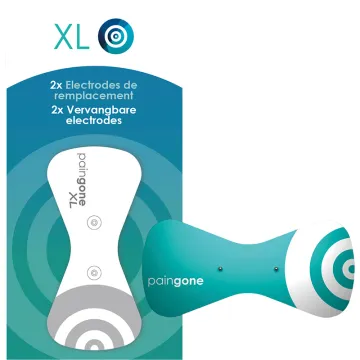
The principle is based on the applicationof calibrated electrical pulses through the skin, using self-adhesive electrodes connected to a generator unit. Depending on the settings (frequency, intensity, pulse duration), these stimuli act on sensory nerves, motor nerves, or the underlying muscle fibers.
Two main mechanisms are described in the scientific literature. The gate control theory (by Melzack and Wall) explains pain relief from TENS through spinal inhibition of nociceptive signals. Low-frequency endorphin stimulation triggers the release of endogenous opioids, contributing to a prolonged analgesic effect. On the motor side, EMS induces involuntary muscle contractions that are useful for rehabilitating weakened muscles following immobilization or surgery.
Electrotherapy encompasses several complementary modalities, each tailored to a specific clinical objective. Modern models often integrate multiple programs into a single device.
TENS (Transcutaneous Electrical Nerve Stimulation) is the best-known modality: it specifically targets pain management, particularly for chronic pain, low back pain, and neuralgia.EMS (Electrical Muscle Stimulation) stimulates muscle contractions to support strength, muscle health, and rehabilitation following immobilization or surgery. Interferential currents, formed by the crossing of two medium-frequency currents, reach deeper tissues and help alleviate underlying musculoskeletal pain. Ultrasound therapy, sometimes grouped with electrotherapy, uses mechanical waves rather than electrical current: it is primarily a form of physical therapy.
Electrotherapy is traditionally recommended for various musculoskeletal and neurological conditions, as a complement to appropriate medical or physical therapy treatment. Its indications must be confirmed by a healthcare professional.
The most common indications include acute and chronic pain of mechanical origin,osteoarthritis (excluding inflammatory flare-ups), chronic tendinitis, sciatica and other mild radiculopathies, muscle soreness, muscle cramps, and sports recovery. EMS is particularly used in postoperative rehabilitation and sports rehabilitation, under the supervision of a physical therapist. Active arthritis, osteoarticular infections, or unhealed fractures are not suitable for electrotherapy and require specialized medical care.
Modern electrotherapy units offer several practical benefits that explain their popularity among patients and physical therapists. Their primary benefit remains pain relief without the use of medication.
Electrotherapy provides a documented reduction in pain for many conditions, without the side effects of systemic pain relievers. It supports muscle contraction and trophism when voluntary movement is impossible or painful. It promotes local microcirculation, which aids in tissue oxygenation. It can be used at home by the patient independently after a brief therapeutic training session. Finally, it serves as a useful alternative or complement to pain medications and pain-relief patches, particularly for patients who wish to reduce their medication intake.
Electrotherapy is subject to strict contraindications that must be strictly observed before use. Adherence to these rules is essential for the safety of the treatment.
Electrotherapy is strictly contraindicated in patients with a pacemaker, an implantable defibrillator, or any other implanted electronic device, due to the risk of electromagnetic interference. It is not recommended during pregnancy, except for supervised obstetric use (TENS during labor). Known cancerous areas, areas of venous thrombosis, severe skin sensitivity disorders, and open, infected, or acutely inflamed wounds must be avoided. Uncontrolled epilepsy and the placement of electrodes on the heart, eyes, larynx, or carotid sinuses are also prohibited. If in doubt, or before first use, medical or physical therapy advice is essential.
An electrotherapy session, whether in a clinic or at home, follows a structured protocol and generally lasts between 10 and 30 minutes, depending on the modality and indication. The patient’s comfort and safety take precedence over the intensity felt.
The session begins with cleansing the skin to ensure good conductivity and extend the life of the electrodes. The therapist or user positions the electrodes around the painful area, in accordance with the diagrams provided by the manufacturer and the clinical indication. The device’s settings (frequency in Hz, intensity in mA, pulse width in µs, total duration) are selected based on the chosen program: conventional high-frequency TENS for acute pain, low-frequency endorphinic TENS for chronic pain, and EMS for muscle stimulation. The intensity is gradually increased to the threshold of effective stimulation, without exceeding the discomfort threshold. The session ends with the careful removal of the electrodes and monitoring for any skin reactions.
Electrotherapy is rarely used on its own. It is part of a multidisciplinary care strategy that combines several complementary modalities to maximize therapeutic benefit and functional recovery.
It integrates naturally with physical therapy and supervised strength-training programs. It combines effectively with thermal approaches (heat, cold, alternating) such as cryotherapy in the acute phase and heat in the chronic phase. Muscle gels, balms, and massage oils can provide local support to the treatment. Relaxation techniques, mindful breathing, and good posture help prolong the benefits gained during sessions. For persistent chronic pain, a cognitive-behavioral approach supervised by a professional can prove invaluable.
Both terms use electrical currents to modulate pain, but they refer to distinct clinical realities. Confusion is common in everyday language.
Electrotherapy is a generic term that encompasses all forms of external electrical stimulation used for pain relief or muscle stimulation (TENS, EMS, interferential currents), administered using surface electrodes, either at home or in a clinic. Implantable electrical neurostimulation (SCS, Spinal Cord Stimulation; DBS, Deep Brain Stimulation), on the other hand, involves the surgical implantation of electrodes in direct contact with nerve structures (spinal cord, ganglia, cerebral nuclei), connected to an implanted generator. It is reserved for severe chronic pain that is refractory to first-line treatments and is performed by neurosurgeons or pain specialists in specialized hospitals.
Electrotherapy at standard settings is painless for the vast majority of users. The sensation is similar to a tingling, a prickling, or a slight vibration under the electrodes, without any stinging or burning pain.
Reported side effects are generally minor and temporary: skin irritation under the electrodes (redness, itching) caused by the adhesive pads, mild discomfort if the intensity is set too high, muscle fatigue after a prolonged EMS session, and rare cases of allergic contact reactions to the electrode hydrogels. A skin burn may occur if an electrode is improperly positioned, has dried out, or has been reused beyond its lifespan: change the electrodes regularly and follow the manufacturer’s instructions. Any acute pain, burning sensation, or persistent irritation requires stopping the session and consulting a professional.
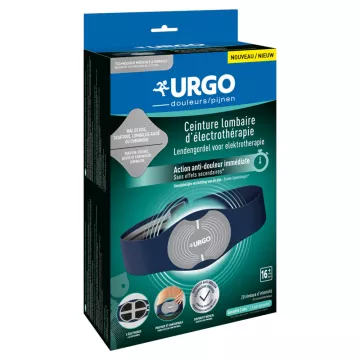
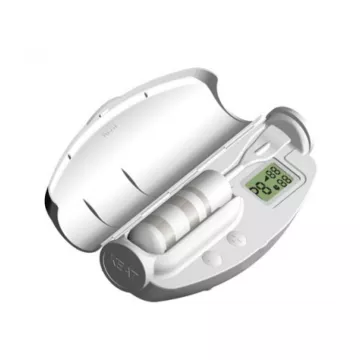
Modern portable devices (pocket TENS units, EMS belts, connected adhesive patches) allow for discreet and on-the-go use at home, at work, or during moderate physical activity. This accessibility explains the rise of electrotherapy as a supervised self-treatment option.
A few simple rules maximize benefits and safety: follow the recommendations of the professional who initiated the treatment (frequency of sessions, programs, duration); adhere to the electrodes’ lifespan (generally 20 to 30 applications); clean the skin before each application; avoid using the device while driving or in damp environments; stop immediately if you experience any unusual discomfort. Electrotherapy can thus be usefully integrated into a comprehensive approach that includes dietary supplements for athletes, a healthy lifestyle, and appropriate medical supervision.