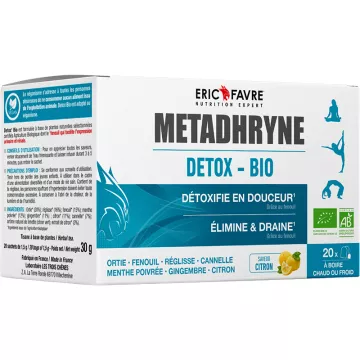
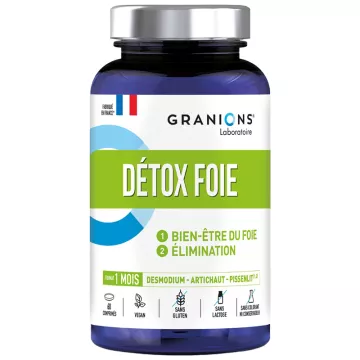
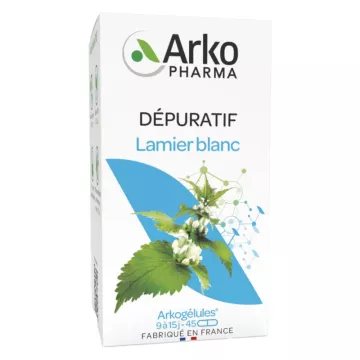
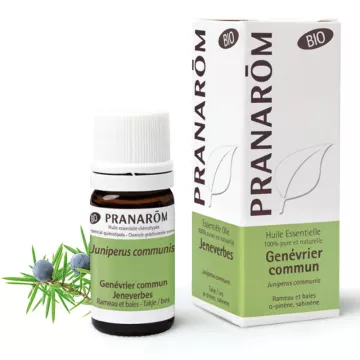
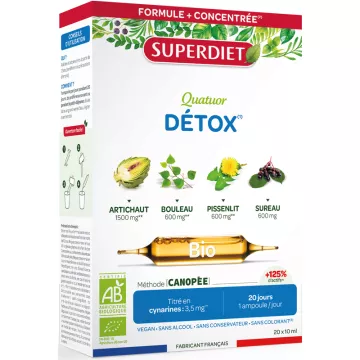
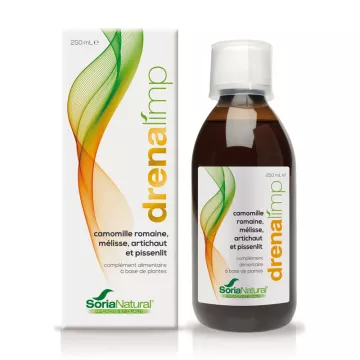
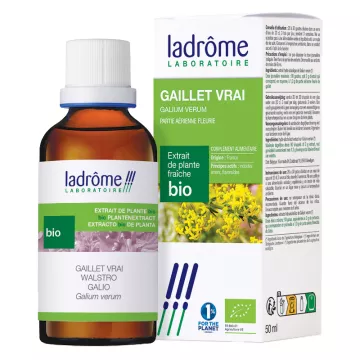
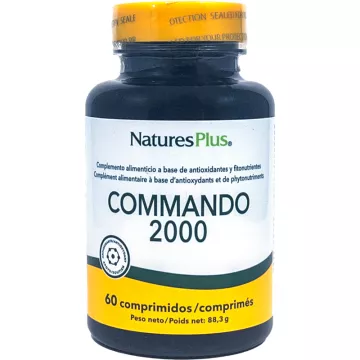
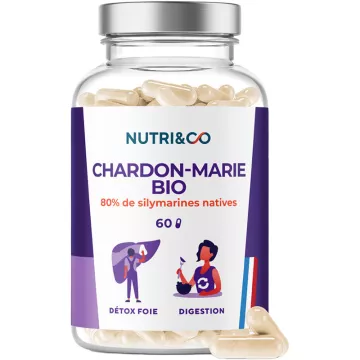
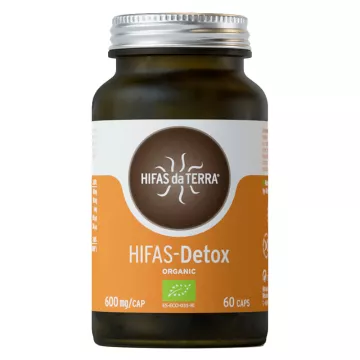
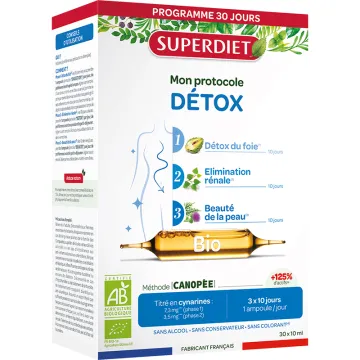
What is a detoxifier, and how does it work in the body?
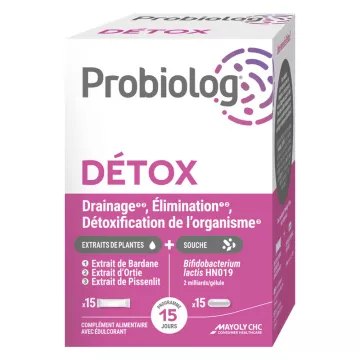
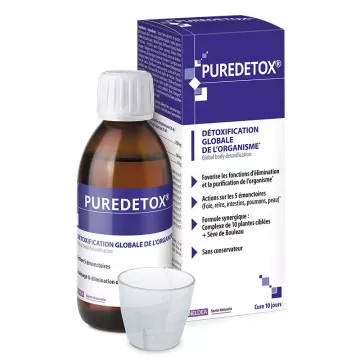
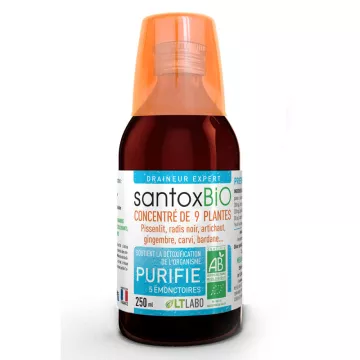
A detoxifier is a substance—whether a food, plant, or dietary supplement—that supports the body’s natural detoxification pathways by providing enzymatic cofactors, protective antioxidants, and active phytochemicals. It differs from a blood purifier (which targets the blood and skin) and a diuretic (which targets fluid volumes) in that it acts on the biochemical mechanisms for neutralizing toxins, primarily in the liver (phases I and II), kidneys, and intestines. A good detoxifier works on three levels: stimulating detoxification enzymes, protecting cells from free radicals generated during this process, and supporting excretion pathways to eliminate neutralized metabolites.
What are the most effective detoxifying foods?
Certain foods and plants stand out for their high content of detoxifying compounds:
- Cruciferous vegetables (broccoli, cabbage, arugula): glucosinolates induce phase II liver enzymes.
- Moringa: exceptional nutritional density (isothiocyanates, vitamins, minerals) that supports cellular detoxification.
- Pomegranate: its punicalagins are among the most potent documented polyphenols, protecting hepatocytes from oxidative stress.
- Acerola: a natural source of vitamin C, an essential cofactor for glutathione synthesis.
- Resveratrol: activates sirtuins and protects liver mitochondria during detoxification.
- Fresh garlic, lemon, green tea, ginger: classic antioxidants and inducers of detoxification enzymes.
What is the difference between a detox regimen and fasting?
Both approaches aim to purify the body but differ fundamentally:
- Detox regimen: food intake is maintained but focused on specific detoxifying foods. Liver enzymes remain active and effective thanks to the supplied cofactors. Suitable for most adults.
- Intermittent fasting (16:8): a restricted eating window that promotes autophagy (recycling of damaged proteins) and mild ketosis. Well-documented for reducing chronic inflammation.
- Prolonged water-only fast: complete absence of caloric intake for 24–72 hours. Mobilizes glycogen reserves followed by fat reserves. Contraindicated without medical supervision, during pregnancy, for people with diabetes, or those with eating disorders.
A dietary detox program is generally safer and easier to maintain than fasting for most people.
How can you maximize the effectiveness of a detox program?
The effectiveness of a detox program depends on your overall lifestyle:
- Eliminate or drastically reduce: alcohol, tobacco, ultra-processed foods, and non-essential medications (after consulting a doctor).
- Support digestion: Light, frequent meals reduce the digestive burden and allow detoxifying agents to work more effectively on the liver’s enzymatic pathways.
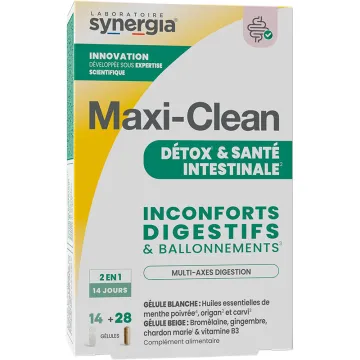
- Minimize bloating: Avoid difficult food combinations (proteins + fast-acting sugars) during the detox and opt for simple, vegetable-rich meals.
- Stay well-hydrated (at least 2 L/day) to facilitate the urinary excretion of water-soluble metabolites produced during detoxification.
- Light physical activity (walking, yoga) to stimulate lymphatic and sweat circulation, two complementary elimination pathways.
- Duration: 3 to 4 weeks for a full detox program, at least twice a year—more frequently if there is occupational exposure to pollutants or regular alcohol consumption.
Are detoxifiers safe to use with medications?
Certain interactions between natural detoxifiers and medications have been documented and should be anticipated:
- Milk thistle and St. John’s wort: cytochrome P450 inducers—may accelerate the metabolism of medications (oral contraceptives, anticoagulants, antiretrovirals) and reduce their effectiveness.
- Grapefruit and pomegranate juice: cytochrome inhibitors—they slow the breakdown of certain medications and may increase their effects and toxicity.
- Activated charcoal: nonspecific adsorbent—should be taken at least 2 hours apart from any medication.
It is essential to consult a pharmacist or doctor before starting any detox regimen while on long-term medication.