Properly detangling your hair starts with choosing the right tool. Opt for a wide-toothed brush or a detangling comb: their widely spaced teeth distribute the tension over a larger surface area, which significantly reduces the risk of breakage. To detangle after shampooing, a brush specifically designed for wet hair, with soft, flexible bristles, is ideal because it glides through without snagging strands that have been weakened by water. Conversely, a brush with tightly spaced, stiff bristles pulls and breaks the hair more easily. The right tool, suited to the hair’s type and condition, is the first step toward gentle detangling that preserves the hair’s length and fits into a gentle hair care routine.
Technique is just as important as the tool. The golden rule:
Detangling directly from the roots worsens knots by compacting them toward the ends, pulling on the hair shaft, and causing breakage and hair loss. This gentle, bottom-to-top method minimizes damage and preserves the health of the hair lengths, especially on weakened hair.
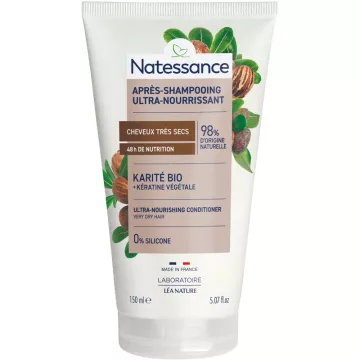
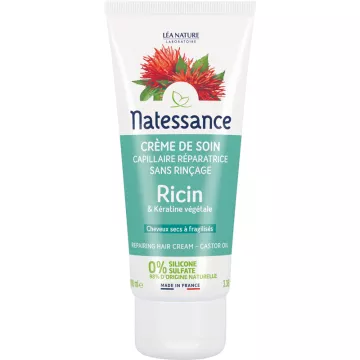
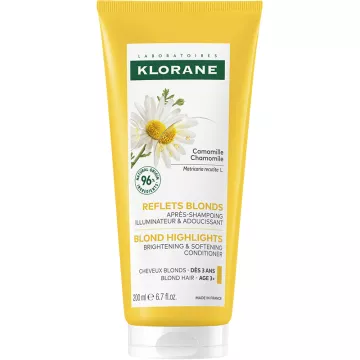
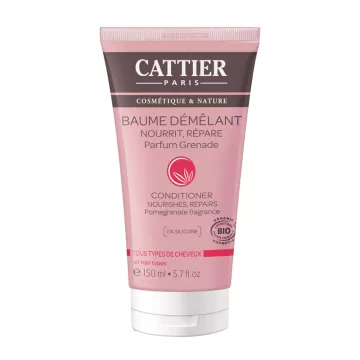
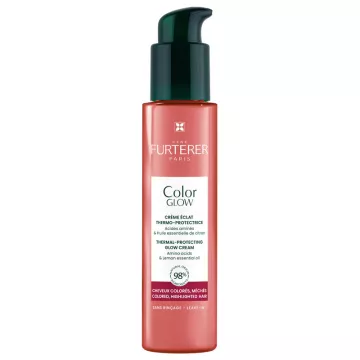
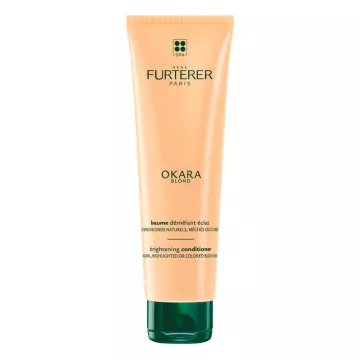
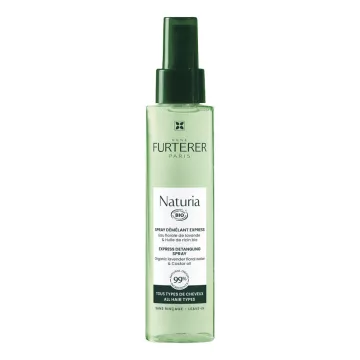
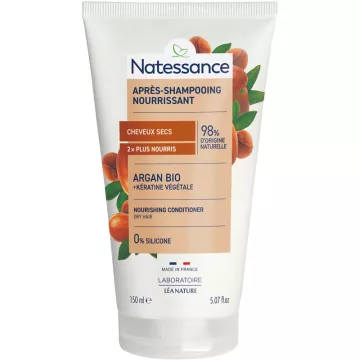
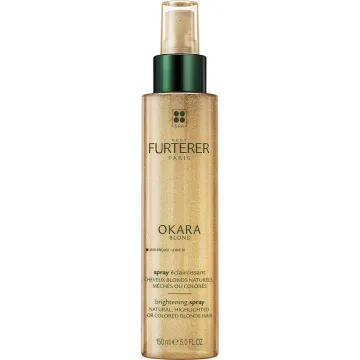
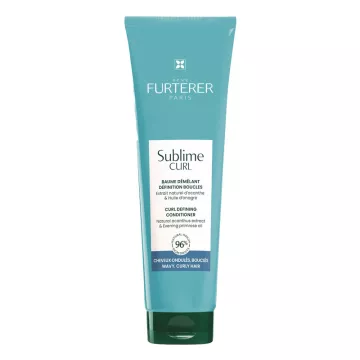
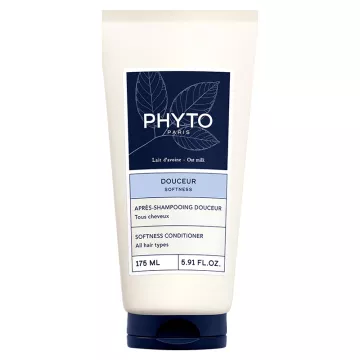
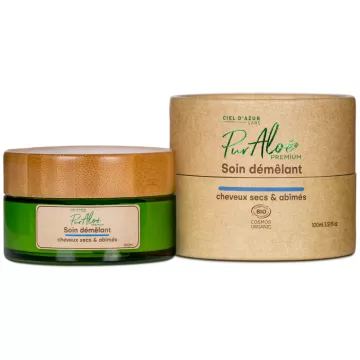
The right products make a world of difference when detangling. A detangling treatment or leave-in conditioner adds “slip” to the hair shaft, allowing the comb to glide through knots effortlessly without causing breakage. For hair that is particularly tangled, frizzy, or textured, a specialized detangling spray significantly reduces the effort required and protects the hair shaft during the process. Applying conditioner before detangling in the shower makes it much easier to run the comb through your hair. Light plant-based oils, such ascoconut oil, can also soften stubborn knots. The common principle is to lubricate the hair shaft to reduce friction. Well-hydrated hair treated with a detangling product glides smoothly, whereas dry hair snags and breaks. Investing in a good detangler, therefore, directly protects the health and length of your hair on a daily basis.
You can detangle your hair when it’s dry or wet, depending on its texture. It’s often recommended to detangle damp hair that’s been treated with a conditioning product, since the conditioner reduces friction and the elasticity of damp hair makes it easier to comb through, minimizing breakage. Be careful, however: when wet, hair is also more vulnerable and stretches further before breaking. It’s therefore crucial to proceed with extreme gentleness, using a wide-toothed comb, and never to force it. For certain hair textures, particularly curly hair, detangling while the hair is damp and conditioned is clearly preferable. Conversely, for straight hair, a light detangling of dry hair may be sufficient for routine care. The key is to adapt the timing and gentleness of the process to your hair type, and to always prioritize gentleness, regardless of how damp your hair is.
It’s better to prevent knots than to detangle them. Several habits can help keep your hair smooth. At night, sleeping on a silk or satin pillowcase reduces the friction that causes knots, and tying your hair into a braid or a loose bun limits tangling while you sleep.Regular hydration plays a key role: soft, well-nourished hair tangles less than dry, coarse hair. Limit heat styling and other factors that make the hair shaft porous and prone to snagging. For dry hair, which is particularly prone to knots, these steps are even more important. Regularly detangling your hair—before knots set in—also prevents them from becoming impossible to untangle. These simple habits reduce the time spent detangling and, most importantly, minimize hair breakage, thereby preserving the length and beauty of your hair over time.
Your hair type determines the best method. Straight hair detangles easily; a finer-toothed comb can ensure a smooth finish. Wavy and curly hair is best detangled with your fingers or a wide-toothed comb to avoid disrupting the natural shape of the curls. Kinky or very textured hair—which is the most fragile and prone to tight knots—benefits from being detangled in the shower with plenty of conditioner to minimize breakage and preserve curl definition. Since long hair tangles more easily, working in small sections provides better control. Short hair, while less prone to tangles, still requires gentle handling to avoid irritating the scalp. Choosing the right tool, product, and technique for your hair texture is the key to detangling that is both effective and gentle on every hair type.
For very tangled hair or hair that has been braided for a long time, take a meticulous and patient approach. Generously apply a rich conditioner or hair oil to soften the knots before you begin. Then work section by section with a wide-tooth comb, gently detangling and using your fingers to loosen the most stubborn knots before running the comb through. Never pull or yank. As for heated detangling brushes, they can speed up detangling and smooth the hair, but they carry a risk of heat damage: use them only occasionally, choose a high-quality device, apply a heat protectant, and set the temperature to the lowest setting. Incorporating gentle detangling into your morning and evening routine prevents severe knots. After detangling, a small amount of cream or oil applied to the lengths nourishes the hair and keeps it supple all day long.