What makes a smile truly radiant?
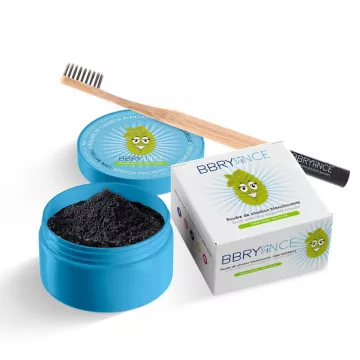
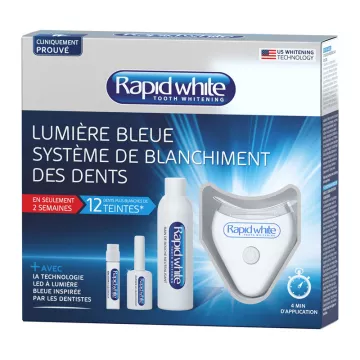
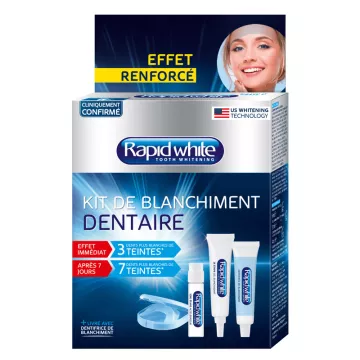
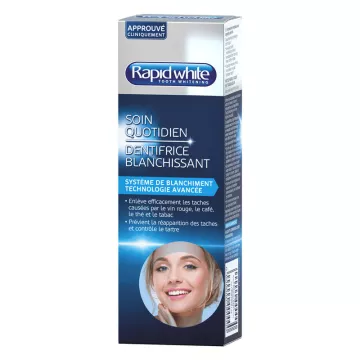
A radiant smile is about more than just white teeth—it depends on the overall health and harmony of the entire mouth: pink, firm gums that don’t bleed, uniform and intact enamel, well-aligned teeth, and fresh breath. Whiteness is a visible but secondary factor if gingivitis causes the gums to turn red or if untreated plaque dulls the enamel. Lasting radiance starts with oral hygiene—not whitening. Oral hygiene products and teeth-whitening care products are available in the store.
Unremoved bacterial plaque is the number one enemy of a bright smile: it dulls teeth, promotes food staining (chromogens adhere better to plaque than to clean enamel), and causes gum inflammation that compromises aesthetics. Thorough brushing twice a day plus dailyinterdental hygiene are the most effective practices—far more so than any whitening treatment.
- Gums and a radiant smile: inflamed, red, or bleeding gums detract from the appearance of even the whitest teeth—treat gingivitis or periodontitis before any cosmetic treatment—healthy gums = a naturally radiant smile
- Fresh breath and a smile: Fresh breath is inseparable from a beautiful smile—clean your tongue (use a tongue scraper every morning), stay well-hydrated, and clean between your teeth—persistent bad breath indicates an underlying issue that needs to be addressed
- Smoking and tooth brightness: Nicotine and tar become embedded in the microcracks of the enamel — stubborn yellow-brown stains — chronic bad breath — increased risk of gum disease and oral cancer — quitting smoking is the most effective step toward regaining a healthy smile
Teeth Whitening and Aesthetics: What You Need to Know Before You Start
Several factors determine the success of a teeth-whitening treatment. Fillings, crowns, bridges, and veneers do not whiten—oxidizing agents act only on natural enamel. If you’re planning to replace dental restorations, the logical order is: whiten first, then shade the new restorations to match the resulting color. Doing the opposite leads to permanent mismatching.
- Signs of excessive or improperly performed whitening: extreme sensitivity to hot and cold—red and painful gums after treatment—translucency of the incisal edges (enamel too thin)—a bluish tint to the enamel—these signs require stopping the treatment and consulting a dentist to assess the damage and remineralize the enamel—see strengthening tooth enamel
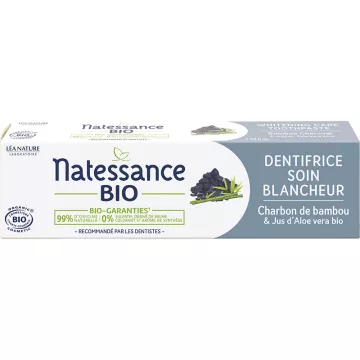
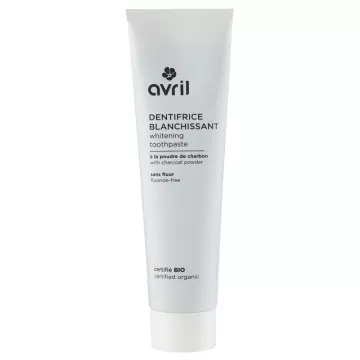
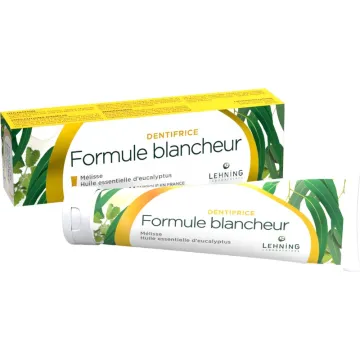
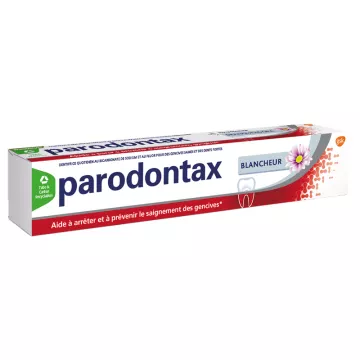
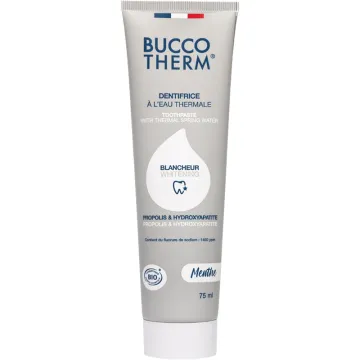
- Toothpaste for a brilliant smile: whitening toothpastes with mild abrasives (RDA 50–80) effectively remove extrinsic stains (coffee, tea)—baking soda in toothpaste (RDA 7) is very gentle and effective on these same stains—low-concentration hydrogen peroxide formulas also work gently on superficial intrinsic stains—do not exceed RDA 100 on weakened enamel
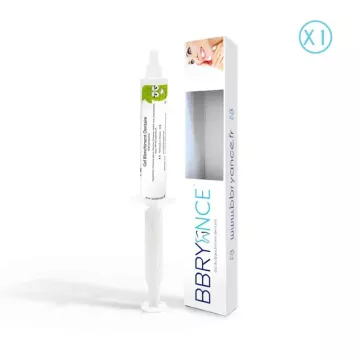
- Professional techniques: in-office whitening (25–40% H₂O₂ with light activation) — custom trays for at-home whitening (10–22% carbamide) — microabrasion (for mild fluorosis or resistant superficial stains) — veneers (a permanent solution for stains resistant to whitening)
- Tooth Sensitivity and Whitening: Post-treatment sensitivity is common and temporary (24 to 72 hours) — prepare the enamel with a potassium nitrate toothpaste 2 weeks beforehand — if sensitivity persists, space out sessions and use fluoride gels in the trays after treatment — see tooth sensitivity
Diet and Lifestyle for Naturally Maintaining a Bright Smile
Diet is an often-underestimated factor in maintaining a bright smile without relying on teeth whitening all the time. Crunchy foods (apples, carrots, celery) exert gentle mechanical friction on the enamel while stimulating saliva production—saliva is the mouth’s primary natural remineralizing and cleansing agent. Dairy products (cheese, yogurt) alkalize the oral pH after meals and provide calcium and phosphorus, which remineralize the enamel.
- Foods and beverages to avoid or limit: coffee, tea, red wine (tannins and chromogens adhere to plaque and enamel) — highly pigmented berries (blueberries, blackberries — anthocyanins) — colored sodas (acids + dyes) — soy sauce, curry, tomato — drinking staining beverages through a straw and rinsing with water immediately afterward significantly reduces the impact
- Complementary natural alternatives: baking soda for gentle brushing 1 to 2 times a week (mild abrasive, effective on extrinsic stains, not on intrinsic stains) — oil pulling with coconut oil for 10 to 15 minutes in the morning (reduces colored plaque and bacteria) — sugar-free xylitol gum (stimulates saliva production and inhibits S. mutans)
- Ideal maintenance routine: brushing twice daily + flossing once daily + tongue scraping in the morning — professional scaling 1 to 2 times a year — touch-up whitening with trays 2 to 5 nights a year if necessary — avoid staining foods for 48 hours after-whitening — use a mild whitening toothpaste for maintenance