Why do teeth become discolored, and what types of stains are there?
Tooth discoloration results from two distinct mechanisms that do not respond to the same treatments. Extrinsic (surface) stains are caused by food pigments (coffee, tea, red wine, berries), tobacco (nicotine and tar), and a buildup of plaque that hasn’t been removed—they can be removed mechanically through polishing or with mild abrasives. Intrinsic stains (within the enamel or dentin) result from aging (thinning of the enamel revealing the underlying yellow dentin), medications (tetracyclines during childhood), fluorosis, or trauma—they require an oxidative whitening agent. Products to help you achieve white teeth and a radiant smile are available in the store.
- Foods and beverages that cause staining: coffee, black tea, red wine (tannins and chromogens bind to the enamel)—berries (blueberries, blackberries—anthocyanin pigments)—sodas and colored beverages—tomato sauce, curry, beets—consume with a straw whenever possible to limit contact with the palatal surfaces
- Tobacco: deep brown or yellow stains (nicotine and tar become embedded in the microcracks of the enamel) — respond to whitening but recur quickly if smoking continues — quitting is the only lasting solution
- Natural aging: Enamel gradually thins with age (wear + acid erosion) — the underlying dentin, which is naturally yellower, becomes visible through the enamel — this type of discoloration responds well to peroxide whitening
- Medications and fluorosis: tetracyclines (gray/brown streaks in the dentin—whitening is not very effective)—fluorosis (white or brown spots depending on the severity)—specialized treatments (microabrasion, veneers) are often necessary
How does teeth whitening work, and what options are available?
Teeth whitening uses oxidizing agents—hydrogen peroxide (H₂O₂) or carbamide peroxide (which releases H₂O₂ in situ)—that penetrate the enamel and oxidize chromophore molecules (responsible for stains) into colorless molecules. The enamel and dentin become lighter without being “stripped”—the mineral structures remain intact if the product is used correctly. The peroxide temporarily opens the dentinal tubules, which explains the temporary tooth sensitivity often experienced.
- Professional in-office whitening: H₂O₂ concentrations of 25–40% — maximum effectiveness in 1–2 sessions — immediate results lasting 1–3 years — gum protection via a rubber dam — recommended for severe intrinsic stains
- Custom-made trays (at-home bleaching): 10–22% carbamide peroxide (slowly releases 3–7% H₂O₂) — worn at night for 2 to 6 weeks — trays custom-made by the dentist from an impression — results comparable to in-office whitening in 2 to 4 weeks — lower cost — better control of sensitivity by spacing out sessions
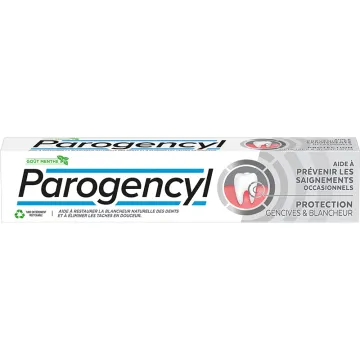
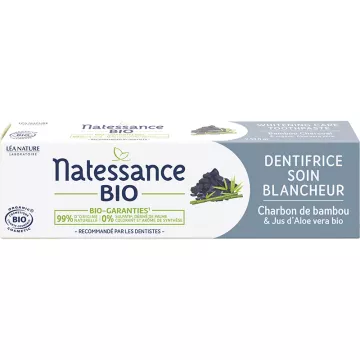
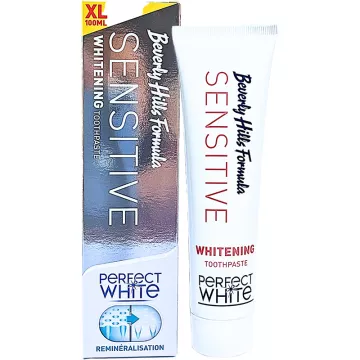
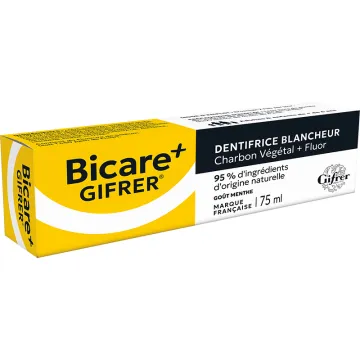
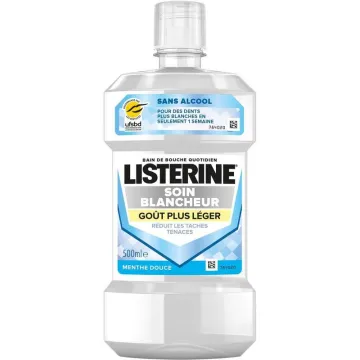
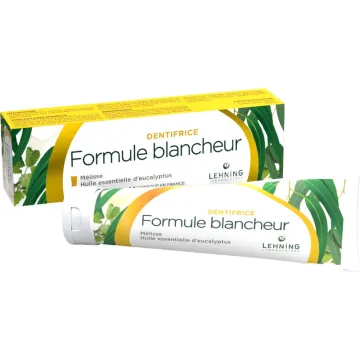
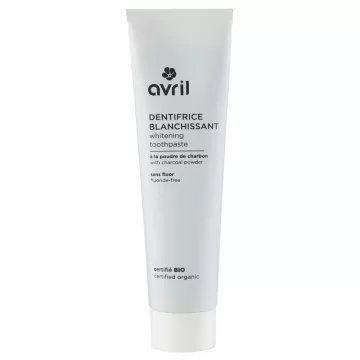
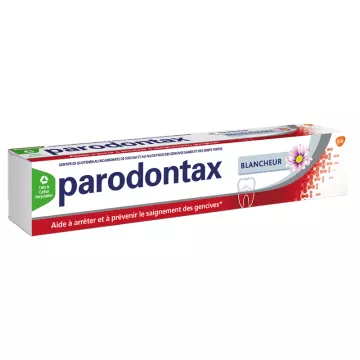
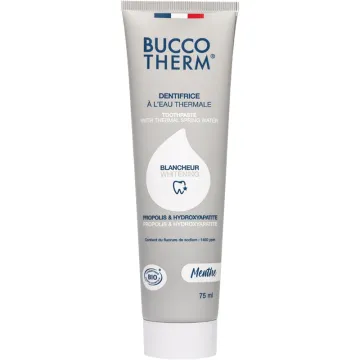
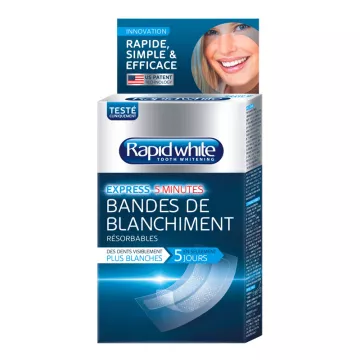
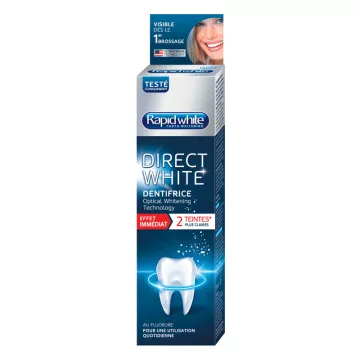
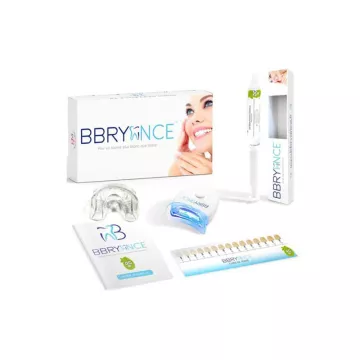
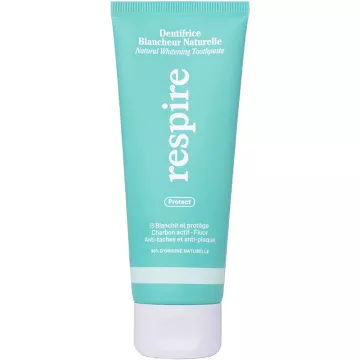
- Over-the-counter products: whitening strips (H₂O₂ 3–6%) — whitening toothpastes (RDA abrasives ± mild chemical oxidizing agents) — LED + gel kits (low-concentration H₂O₂ gel + blue light — modest effectiveness) — less dramatic results than in-office treatments but accessible
- Contraindications: pregnancy and breastfeeding — baby teeth (never whiten) — active gingivitis or periodontitis (treat first) — untreated cavities — crowns, bridges, and veneers (cannot be whitened) — teeth with severe sensitivity — consult a dentist before any treatment
Natural Alternatives, Duration of Results, and Maintenance
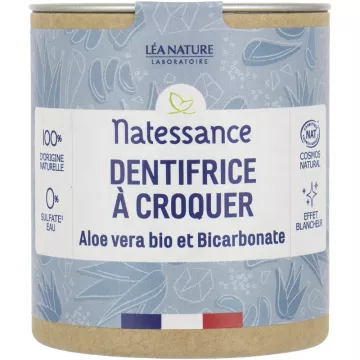
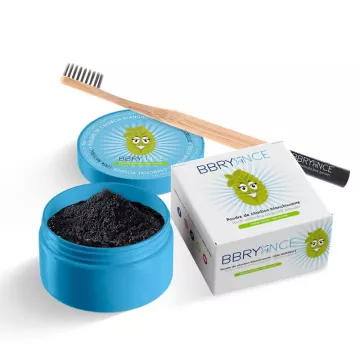
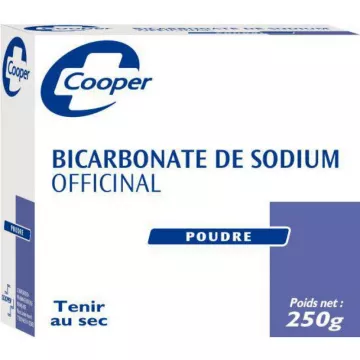
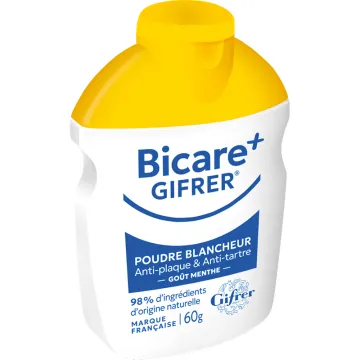
Several natural alternatives to chemical whitening exist, with different mechanisms of action and varying levels of effectiveness. Baking soda (used for gentle brushing, not daily) is a mild abrasive that effectively removes superficial extrinsic stains—its RDA is low (7) and is therefore not very abrasive to enamel — effective on coffee and tea stains, but ineffective on intrinsic stains. Oil pulling with coconut oil (10 to 15 minutes every morning) reduces bacterial load and colored plaque through adsorption—it has a modest whitening effect but provides complementary oral health benefits. Crunchy fruits (apples, carrots) create gentle mechanical friction on the enamel while stimulating saliva production.
- Duration of whitening results: 6 months to 3 years depending on the type of treatment and habits—coffee, tea, red wine, tobacco, and poor oral hygiene accelerate discoloration—thorough brushing twice daily (tooth brushing) plus avoiding staining foods within 48 hours after whitening prolongs the results
- Managing post-whitening sensitivity: use a 5% potassium nitrate toothpaste in the days leading up to and following the treatment—space out sessions if sensitivity occurs—post-whitening fluoride gels (applied in trays) accelerate remineralization and reduce sensitivity—see the “Strengthen Enamel” page
- At-home care: mild whitening toothpaste (RDA abrasiveness 50–80 — no more than 100 on post-whitening enamel) — drink staining beverages through a straw — rinse with water immediately after drinking coffee or red wine — practice rigorous oral hygiene to limit colored plaque