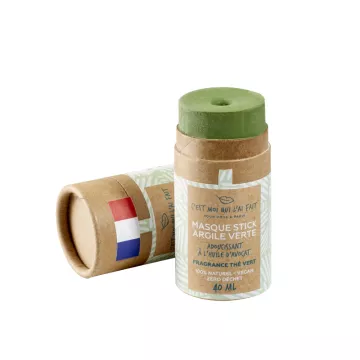
What is a clay mask, and what are its benefits?
A clay mask is a purifying and mattifying skincare treatment, particularly popular for oily, combination, or blemish-prone skin.
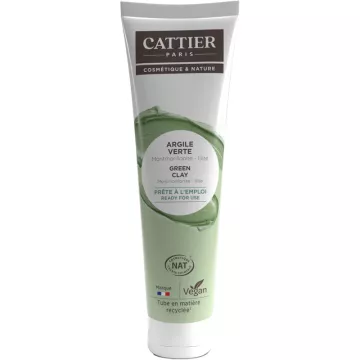
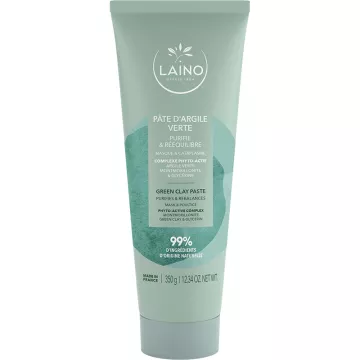
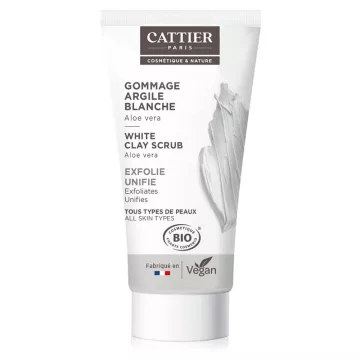
Several typesof clay are used in cosmetics: green clay (illite, montmorillonite), white clay (kaolin), pink clay, red clay, yellow clay, and rhassoul (ghassoul) from Morocco.
Rich in minerals (silica, magnesium, calcium, aluminum, iron), these clays have absorbent and adsorbent properties: they capture impurities and excess sebum from the skin’s surface.
Regular use visibly enhances the complexion’s radiance, helps mattify shiny skin, and minimizes the appearance of pores.
How do you choose the right type of clay for your skin?
The choice ofclay depends mainly on your skin type:
- Green clay: the most absorbent, ideal for oily, combination, or blemish-prone skin; helps control shine.
- White clay (kaolin): the gentlest, suitable for dry, sensitive, or reactive skin; gently cleanses without disrupting the skin’s balance.
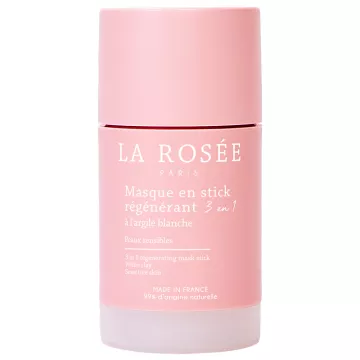
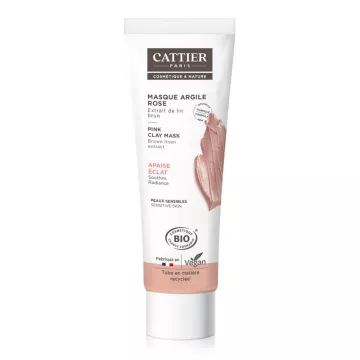
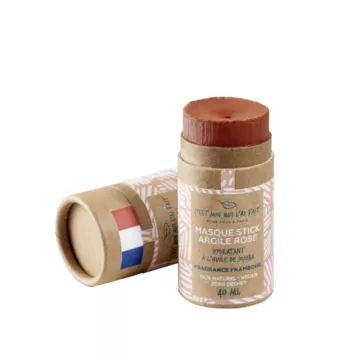
- Pink clay: a blend of white and red clay, particularly suited for sensitive and mature skin seeking gentle care and a radiant glow.
- Red clay: for normal to combination skin, often appreciated for its healthy glow.
- Yellow clay: toning, suitable for dull skin.
- Rhassoul: a soap-forming clay from Morocco, traditionally used for the face, body, and hair.
How to properly apply a clay mask?
To safely enjoy the benefits of a clay mask:
- Cleansing: Remove your makeup and cleanse your face to eliminate makeup and impurities.
- Preparation: Mix the clay with water, a floral water, or yogurt using a wooden or plastic utensil (never metal, which can reduce the clay’s mineral effectiveness).
- Application: Apply an even, generous layer to your face, avoiding the eye and lip areas.
- Leave-on time: Let it sit for 10 to 15 minutes at most, regularly misting the mask with water or a hydrosol. Never let the mask dry completely on your skin—it will become drying.
- Rinsing: Rinse with lukewarm water using gentle circular motions for a mild exfoliating effect.
- Moisturizing: Then apply a moisturizer suitable for your skin type.
How often should you use a clay mask?
How often you should use a clay mask depends on your skin type:
- Oily or blemish-prone skin: up to twice a week, alternating with moisturizing treatments.
- Dry or sensitive skin: no more than once a week; opt for white or pink clay for their gentleness.
- Normal to combination skin: 1 to 2 times a week, depending on the season and how your skin feels.
- Reactive skin or rosacea: Use sparingly and with very gentle clay; a dermatologist’s advice is recommended if you have been diagnosed with rosacea.
Monitor your skin’s reaction and adjust the frequency if you experience tightness or dryness.
Long-term effects of the clay mask?
With regular and sensible use, clay masks can visibly improve several aspects of skin quality:
- Reduced appearance of pores: deep cleansing, pores appear clearer.
- Improved skin texture: skin feels smoother and more even to the touch.
- Enhanced complexion radiance: skin appears more luminous and well-rested.
- Long-lasting mattifying effect on oily skin, reducing shine throughout the day.
Consistency is more important than frequency: opt for 1 to 2 well-executed weekly applications rather than excessive daily use.
What ingredients can be combined with clay?
To customize a clay mask, several cosmetic active ingredients can be added as needed:
- For hydration: aloe vera, vegetable glycerin, rose or cornflower hydrosol.
- For radiance: vitamin E (antioxidant), plant-based powders (turmeric in very small amounts—be aware of temporary pigmentation).
- For anti-aging: rosehip oil (an antioxidant, best used in the evening), plant-based squalane.
ABSOLUTELY AVOID:
- Lemon juice, citrus essential oils (bergamot, lemon, orange, grapefruit): photosensitizers; application to the skin + sun exposure = phytophotodermatitis, long-lasting pigmentation spots, burns.
- Honey for infants under 1 year of age: prohibited (risk of infant botulism).
- Essential oils for infants, children under 3 years of age, and pregnant or breastfeeding women: strict precautions are necessary.
- Pure baking soda: disrupts the skin’s pH balance.
Is a clay mask right for you?
A clay mask may not be suitable for all skin types. Here are several signs to watch for:
- Persistent redness after application.
- Irritation, itching, or intense or prolongedtingling.
- Increased dryness or noticeable tightness in the days following application.
- Breakouts or worsening redness.
Perform a patch test on the inside of your elbow 48 hours before first use. If your skin reacts, opt for a gentler clay (pink clay or kaolin) or consult a dermatologist.
Avoid using clay masks on damaged skin, active eczema, rosacea flare-ups, dermatitis, or open wounds; in these cases, a dermatologist’s advice is essential.
Can a clay mask be used on other parts of the body?
A clay mask can be applied to other areas of the body with blemishes or seborrhea: the back, chest, and arms.
The procedure is similar: cleanse, apply evenly, leave on for 10 to 15 minutes while keeping the mask moist, rinse with lukewarm water, and moisturize.
For skin with body blemishes, the mask can help improve skin comfort and complement a suitable skincare routine (mild shower gel, non-comedogenic moisturizer, moderate exfoliation).
For moderate to severe, persistent, or painful body acne, consult a dermatologist: appropriate medical treatment (salicylic acid, azelaic acid, retinoids, topical or oral antibiotics) may be necessary—a cosmetic product alone is not enough.
What precautions should you take when using a clay mask?
Several precautions should be taken when using a clay mask:
- Never let it dry completely on the skin: this can cause dryness and irritation.
- Follow the recommended frequency of use based on your skin type to avoid disrupting the skin’s natural balance.
- Sun protection: Use SPF 30 or higher after application, especially if you’re adding photosensitizing ingredients (vitamin C, salicylic acid, AHAs, BHAs, retinol, and citrus fruits are prohibited).
- Do not apply to broken, weeping skin, or skin experiencing an active flare-up of eczema or rosacea.
- Use wooden or plastic utensils to mix the clay; never use metal.
- Test on a small areafirst to check for skin tolerance.
How long does a homemade clay mask last?
A homemade clay mask without preservatives has a very limited shelf life.
Ideally, prepare only the amount you need and use it immediately.
If you need to store the mixture (with water, hydrosol, or fresh ingredients): keep it in the refrigerator in an airtight glass container, and use it within 24 to 48 hours at most.
For longer storage, keep the dry clay powder in an airtight container away from light and moisture, and mix it with the liquid ingredients only when you’re ready to use it. With an appropriate cosmetic preservative (Cosgard, Geogard), the shelf life can be extended to 3–6 months, depending on the PAO.