0
Menu

Low-grade inflammation: turmeric, omega-3, and prevention

Filter
Number of products : 13
Sort
Sort
Close
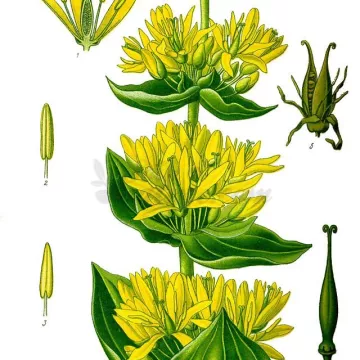
Gentian cut root Iphym Herboristerie Gentiana lutea Gentian cut root Iphym Herboristerie Gentiana lutea
1 kg 250 g +
€38.19
Add to cart
Usually ships in 5-7 business days
Colon Pure Intestinal Purifier Colon Pure Intestinal Purifier
80 capsules 40 capsules
€17.65
Add to cart
Shipped within 24h
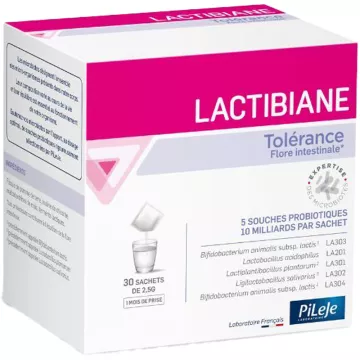
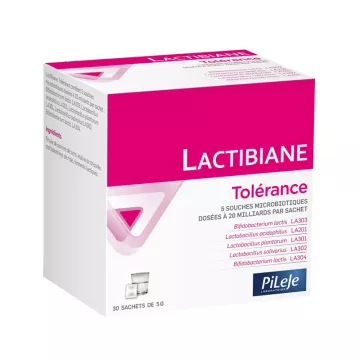
Pileje Lactibiane Tolerance Adult 30 Sachets 2.5G Pileje Lactibiane Tolerance Adult 30 Sachets 2.5G
€26.09
Shipped within 24h
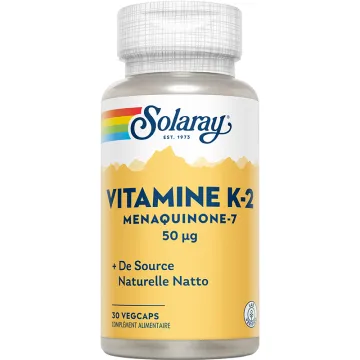
Solaray Vitamin K2 Menaquinone-7 50 µg 30 capsules Solaray Vitamin K2 Menaquinone-7 50 µg 30 capsules
€18.99
Shipped within 24h
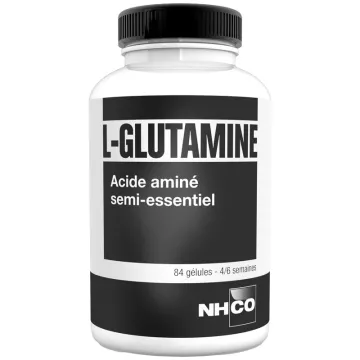
NHCO L-Glutamine Semi-Essential Amino Acid 84 capsules NHCO L-Glutamine Semi-Essential Amino Acid 84 capsules
€22.90
Shipped within 24h
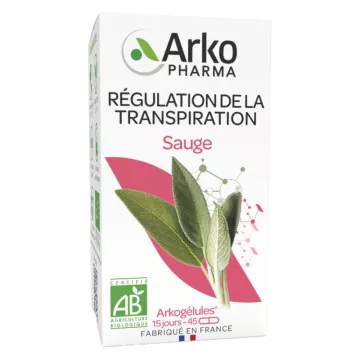
Arkocaps Sage Régulation de la Transpiration 45 capsules Arkocaps Sage Régulation de la Transpiration 45 capsules
€6.99
Shipped within 24h
Solgar Oregano Oil 60 capsules Solgar Oregano Oil 60 capsules
€35.60
Shipped within 24h
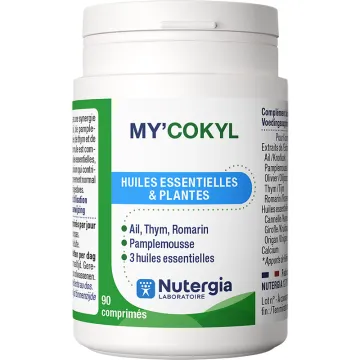
My'cokyl Nutergia Digestion 90 tablets My'cokyl Nutergia Digestion 90 tablets
€24.85
Shipped within 24h
Lactibiane Tolérance Pileje Intestinal Flora 30 capsules Lactibiane Tolérance Pileje Intestinal Flora 30 capsules
€23.94
Sent in 5 in 7 working days

What is chronic inflammation, and how does it differ from acute inflammation?

Chronic inflammation is a low-intensity but persistent immune response—sometimes referred to as “low-grade inflammation”—that develops without an identifiable acute cause and persists for months to years. Unlike acute inflammation (a protective, temporary reaction following an injury or infection, which normally resolves within a few days), chronic inflammation is insidious: it does not cause the four classic cardinal signs (redness, heat, swelling, localized pain) but generates a subtle systemic pro-inflammatory state that is clinically invisible but biologically measurable. Natural anti-inflammatory supplements for chronic inflammation are available in the joint pain and vitamins and minerals sections of the store.

Low-grade chronic inflammation is now recognized as a central factor in the pathophysiology of many modern chronic diseases: cardiovascular diseases (atherosclerosis—atheromatous plaque is an inflammatory lesion), type 2 diabetes (insulin resistance mediated by pro-inflammatory cytokines), osteoarthritis (inflammatory degradation of cartilage), neurodegenerative diseases (Alzheimer’s disease—chronic neuroinflammation), obesity (visceral adipose tissue itself secretes pro-inflammatory cytokines), and certain cancers. Understanding and preventing it is therefore a central challenge in preventive health. See the page on inflammatory conditions for clinical forms.

What dietary and lifestyle factors exacerbate chronic inflammation?

Modern medicine identifies several major categories of chronic pro-inflammatory factors, which often act in combination:

  • Ultra-processed foods: refined sugars (repeated blood sugar spikes → protein glycation → vascular inflammation), saturated and trans fatty acids (activation of Toll-like receptors TLR4 — pro-inflammatory NF-κB pathway), additives and emulsifiers (pro-inflammatory gut dysbiosis)
  • Abdominal obesity: visceral adipose tissue is an active endocrine organ that secretes pro-inflammatory adipokines (TNF-α, IL-6, leptin)—a 5–10% reduction in body weight significantly reduces inflammatory markers
  • Sedentary lifestyle: regular physical exercise releases anti-inflammatory myokines (IL-10, IL-1Ra)—a lack of exercise leaves the pro-inflammatory environment without a muscular counterbalance
  • Chronic stress: Chronic cortisol paradoxically sustains inflammation by desensitizing glucocorticoid receptors on immune cells
  • Gut dysbiosis: imbalance in the microbiota (antibiotics, low-fiber diet) → increased intestinal permeability → passage of bacterial lipopolysaccharides (LPS) into the circulation → chronic immune activation
  • Smoking and excessive alcohol consumption: direct oxidation of lipids and proteins → danger signals → persistent inflammatory activation

What supplements and dietary choices can help reduce chronic inflammation?

The Mediterranean diet is the most well-established diet for reducing chronic inflammation in the long term: an abundance of colorful fruits and vegetables (antioxidant polyphenols), extra virgin olive oil (oleocanthal—a natural COX inhibitor), fatty fish 2 to 3 times a week (EPA-DHA—EFSA claim), legumes, nuts, and a reduction in ultra-processed foods. Omega-3 EPA and DHA (1 to 3 g/day) are the most well-documented supplements for chronic inflammation—precursors to resolvins and protectins that promote the resolution of inflammation. Turmeric (standardized curcumin + piperine—an inhibitor of NF-κB, TNF-α, and IL-6) and boswellia (boswellic acids—5-LOX inhibitor) form the gold-standard phytotherapeutic combination for chronic joint pain. Ginger (a COX and LOX inhibitor) and probiotics (restoration of the microbiome—intestinal barrier) round out this approach. These supplements support an anti-inflammatory lifestyle—they do not replace medical treatment for diagnosed inflammatory diseases.