What is a hemorrhage, and how is it classified?
A hemorrhage is excessive blood loss resulting from the rupture or injury of a blood vessel (artery, vein, or capillary). Its severity depends on the size of the affected vessel, its location, and how quickly it develops. Massive hemorrhage can lead to life-threatening hypovolemic shock. Any heavy bleeding or suspected internal hemorrhage → call 15 immediately. Nutritional support products for post-hemorrhage care are available in the store’s “Iron and Blood Vitality” line.
- Classification by origin: external hemorrhage (visible—blood flowing out of the body)—internal hemorrhage (blood accumulating in a cavity: hemoperitoneum, hemothorax, hemarthrosis, deep hematoma)—externalized hemorrhage (blood exiting through a natural orifice—epistaxis, hemoptysis, rectal bleeding, hematuria, metrorrhagia)
- Classification by severity (ATLS): Class I (< 15% of blood volume— < 750 mL — bien compensée) — classe II (15–30 % — tachycardie, anxiété) — classe III (30–40 % — hypotension, tachycardie sévère, altération de la conscience) — classe IV (>, 40%—irreversible hypovolemic shock without immediate treatment)—a loss of 1 liter of blood may be enough to destabilize a frail adult
- Hypovolemic shock—recognize the signs: pale, cold, and clammy skin—rapid, thready pulse—drop in blood pressure—agitation followed by confusion—intense thirst—loss of consciousness → call 15, lay the person down, elevate the lower limbs
What are the risk factors and causes of abnormal bleeding?
- Primary (platelet) hemostatic disorders: thrombocytopenia (platelets < 100,000/µL) — von Willebrand disease — aspirin-induced thrombocytopenia — cardiac surgery — workup: complete blood count (CBC), bleeding time, von Willebrand factor
- Plasma coagulation disorders: hemophilia A (factor VIII) and B (factor IX) — liver failure (deficiency of liver-synthesized clotting factors) — DIC (disseminated intravascular coagulation — hematologic emergency) — vitamin K deficiency
- Hemorrhage-inducing medications: oral anticoagulants (VKA—warfarin, fluindione; DOAC—apixaban, rivaroxaban, dabigatran) — LMWH — antiplatelet agents (aspirin, clopidogrel, ticagrelor) — NSAIDs — report any ongoing anticoagulant therapy to emergency responders and healthcare providers — never stop an anticoagulant without medical advice
- Local causes: trauma — arterial aneurysm rupture — gastro-duodenal ulcer — cancer (gastrointestinal, gynecological) — esophageal varices (portal hypertension) — gynecological lesions (see “Bleeding”)
Recovery from hemorrhage and nutritional support
These nutritional approaches support recovery after medically managed hemorrhage—they do not replace emergency medical treatment. Consult with a doctor before taking any supplements if currently on anticoagulant therapy.
- Iron: Significant bleeding leads to iron depletion → iron-deficiency anemia — check ferritin levels and complete blood count (CBC) after any bleeding episode — supplementation by medical prescription ( over-the-counter iron products) — combine with vitamin C to improve absorption
- Bioflavonoids (rutin, hesperidin): reduce capillary fragility and permeability — support vascular strength — enhance the effects of vitamin C — useful in preventing minor recurrent bleeding
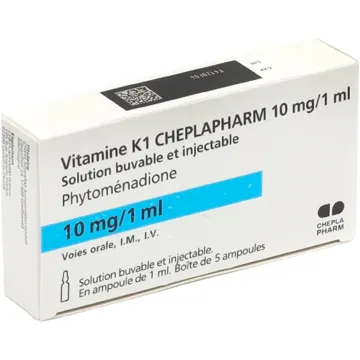
- Vitamin K: an essential cofactor for the synthesis of coagulation factors II, VII, IX, and X — green vegetables (spinach, broccoli, lamb’s lettuce) — exercise extreme caution in patients on warfarin (never alter vitamin K intake without medical advice)
- High-protein diet: supports the restoration of red blood cell volume — lean meats, legumes, eggs, fish — prioritize foods rich in heme iron (red meat, liver) following a bleeding episode