0
Menu

Birch Sap: Detoxifying and Remineralizing Benefits for the Body

Filter
Number of products : 5
Sort
Sort
Close
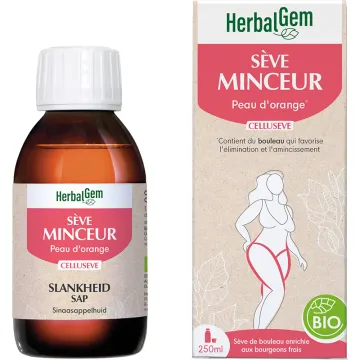
Herbalgem Birch sap Celluseve Bio Minceur 250 ml Herbalgem Birch sap Celluseve Bio Minceur 250 ml
€11.85
Shipped within 24h
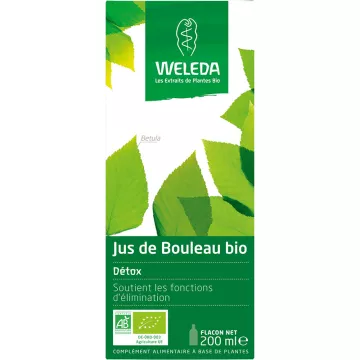
Weleda Organic Birch Sap 200 ml Weleda Organic Birch Sap 200 ml
200 ml 2x200 ml
€8.95
Add to cart
Shipped within 24h
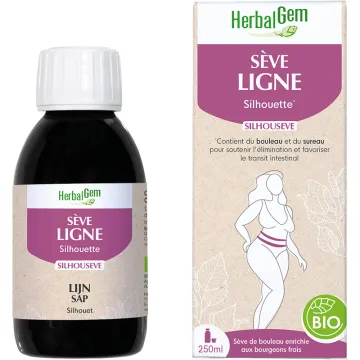
Herbalgem Birch sap Silhousève Bio Line 250 ml Herbalgem Birch sap Silhousève Bio Line 250 ml
€12.79
Shipped within 24h
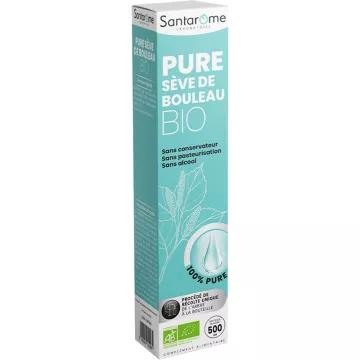
Santarome Birch sap 500ml Santarome Birch sap 500ml
1 box
€15.89
Add to cart
Shipped within 24h
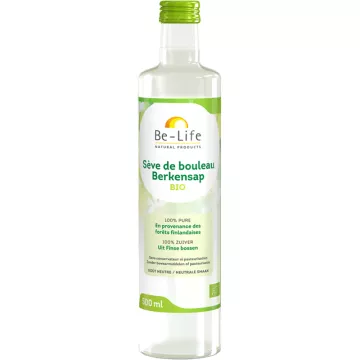
Be-Life Birch sap Bio 500 ml Be-Life Birch sap Bio 500 ml
€14.79
Shipped within 24h

What is birch sap?

Birch sap is the rising sap collected in the spring from the silver birch (Betula pendula) or the downy birch (Betula pubescens), when the tree resumes its sap flow after winter. This translucent, slightly sweet liquid is the living essence of the tree itself: it carries minerals, trace elements, organic acids, and sugars to the buds, which enable the tree to sprout leaves. It is harvested by making controlled incisions in the trunk in March and April, a traditional technique used by foresters in Northern and Central Europe that does not damage the tree.

What are the benefits of fresh sap?

Its mineral profile sets it apart among functional beverages:

  • Gentle remineralization through the intake of potassium, calcium, magnesium, silicon, manganese, and zinc;
  • Supports kidney drainage and seasonal detoxification;
  • Relief from water retention and heavy legs;
  • Traditionally recognized for supporting overall vitality as winter ends;
  • Natural, mineral-rich hydration that’s low in calories;
  • Support for spring detoxification regimens.

Why is this regimen seasonal?

Birch sap flows for only a few weeks a year, between late February and early April, depending on the region and latitude. This sap flow coincides with the time when the tree draws nutrients from the soil to prepare for bud break. Fresh sap is alive: it contains active enzymes and ferments naturally after a few days, making it a perishable product with a narrow window of use. Naturopathic tradition has made it the iconic spring cleansing drink, consumed to recover from winter excesses.

How does a spring detox work?

The classic protocol is simple:

  • Duration: 3 consecutive weeks, in March or April depending on availability;
  • Dosage: 150 to 250 ml per day, ideally on an empty stomach in the morning, 15 to 30 minutes before breakfast;
  • Storage: Keep fresh sap in the refrigerator; consume within 2 to 3 weeks after opening;
  • Taste: naturally neutral to slightly sweet and woody; some bottles may become slightly effervescent (due to natural lactic fermentation, which is harmless);
  • A second course of treatment in the fall is possible, but the spring effect remains the most pronounced physiologically.

Fresh, pasteurized, or fermented sap: which should you choose?

Three formats are available, each with its own advantages:

  • Fresh, unprocessed sap: the version richest in live enzymes, with a short shelf life when refrigerated;
  • Pasteurized sap: stabilized by gentle heating; has a long shelf life but loses some of its enzymes;
  • Fermented sap: naturally transformed into a slightly tart, probiotic beverage;
  • Drinkable vials: concentrated sap, a convenient format for off-season treatments or travel.

For a traditional treatment, fresh, organic, unpasteurized sap harvested from a certified producer remains the gold standard. Check the harvest date on the bottle.

How does it differ from a leaf infusion?

The two preparations are complementary, not interchangeable. Sap is a living, mineral-rich water with predominantly remineralizing and gently draining properties, meant to be consumed in large quantities.The dried-leaf infusion (available year-round) concentrates diuretic and water-eliminating flavonoids that are more effective at promoting elimination, even in smaller amounts. Sap works on the body’s overall balance and mineral levels; the infusion targets urinary drainage.

Does it help with weight loss?

Birch sap does not cause weight loss in the sense of fat burning, but it effectively supports weight management efforts by addressing three key areas: eliminating excess water and the discomfort associated with water-based cellulite, supporting digestion, and providing low-calorie hydration as a replacement for sugary drinks. It is only effective when combined with a balanced diet and regular physical activity.

What precautions should be taken with birch sap?

  • Allergy to birch pollen (hay fever): use with caution, as cross-reactions are possible;
  • Contraindicated in cases ofkidney failure or edema associated with decompensated heart disease;
  • Use with caution if taking diuretics or antihypertensive medications: consult a pharmacist;
  • Not recommended for pregnant or breastfeeding women or for children under 12 years of age as a full course of treatment;
  • Treatment limited to 3 consecutive weeks to avoid any fluid and electrolyte imbalance;
  • If visible signs of fermentation (foam, pronounced acidity) are present: the sap remains safe to consume but its taste changes. Avoid if significantly altered.

Which plants should be combined with birch sap?

Springtime synergies enhance the detoxifying effect: