What are the essentials for caring for a newborn?
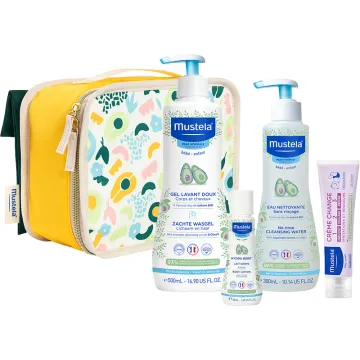
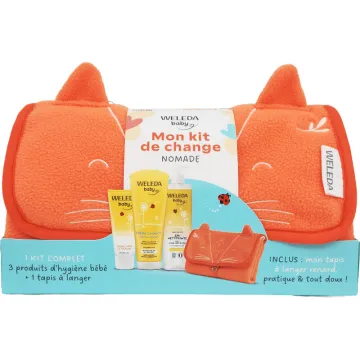
When it comes to baby care, a few essentials cover all daily needs:
- Hypoallergenicdiapers that fit properly
- Hypoallergenic, fragrance-free wipes or cotton pads and lukewarm water
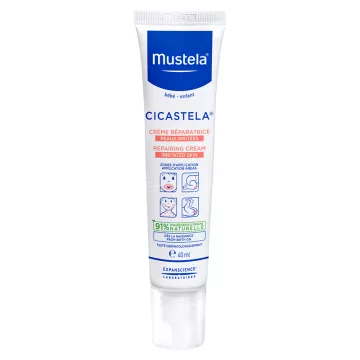
- Oleo-calcareous liniment and zinc oxide diaper rash cream
- Mild, fragrance-freecleansing gel with a physiological pH
- Moisturizing lotion or cream specifically formulated for babies
- Soft cotton towels designed for babies
- Medical thermometer for taking temperatures
- Baby nail clippers with rounded tips
Prioritize quality over quantity: a few well-chosen products, tested under pediatric and dermatological supervision, are better than a hodgepodge of items. For babies prone to atopic dermatitis, caring for dry skin requires targeted products. A simple, consistent, and regular routine is best for an infant’s skin.
How should you properly clean the umbilical cord?
The umbilical cord falls off on its own between approximately day 7 and day 15. Current recommendations from the HAS and the WHO emphasize:
- Simple cleaning withwater and mild soap, without routine use of antiseptics for healthy, full-term newborns
- Thorough drying with a sterile gauze pad, using a patting motion
- Exposure tothe open air as much as possible
- Fold the diaper down below the navel
- Loose-fitting clothing that does not irritate the area
- Wash hands thoroughly before each care session
Check the area daily. Widespread redness, swelling, pus-like discharge, an unpleasant odor, persistent bleeding, or a fever in the baby require immediate medical attention. Follow the instructions provided by the maternity ward or your midwife: protocols may vary by facility.
How often should I bathe my baby?
Bath time is a special moment, but it doesn’t need to be daily during the first few months:
- 2 to 3 baths per week for an infant
- 3 to 4 per week between 6 and 12 months
- Wash the face and bottom daily between baths
- Limit bath time to 5–10 minutes
- Water temperature strictly at 37 °C, checked with a thermometer
- Room temperature of 22–24 °C for thermal comfort
- Mild, fragrance-free cleansing gel with a physiological pH
- Thoroughly dry skin folds (neck, armpits, groin) by gently patting
Bathing too frequently or for too long with unsuitable products strips away the hydrolipidic film and promotes dryness. Changing the baby’s diaper regularly between baths is an essential part of a balanced hygiene routine.
Which products should you choose for your baby’s sensitive skin?
An infant’s skin is 3 to 5 times thinner than an adult’s. Selection criteria:
- Hypoallergenic according to Regulation (EC) No. 655/2013
- Fragrance-free, dye-free, alcohol-free
- Phenoxyethanol-free for the diaper area of children under 3 years old (banned in France)
- Free of long-chain parabens and harsh sulfates
- Tested under pediatric and dermatological supervision
- Short, easy-to-read ingredient list
- Eco-labels (Cosmebio, Ecocert, Cosmos Organic)
For particularly sensitive skin or a family history of atopic conditions, your pharmacist may recommend specific products for atopic skin. A personalized consultation is invaluable if you have any doubts.
How can diaper rash be prevented and treated?
Diaper rash remains one of the most common conditions in infants:
- Prevention: frequent diaper changes (every 2 to 3 hours and after each bowel movement), gentle cleansing with an oil-and-calcium-based liniment, thorough drying, exposure to fresh air, and a well-fitting diaper
- Treatment: Apply a zinc oxide-based barrier cream (10–25%) at every diaper change, increase the frequency of diaper changes, and temporarily avoid using scented products
- Monitoring: Redness that persists for more than 3 to 5 days, oozing, white spots (suggesting a fungal infection), or blisters require a pediatric evaluation
For recurrent episodes or those resistant to standard treatment, consult your pharmacist to adjust your routine or seek targeted treatment for diaper rash.
What are the signs of an allergy in babies?
Allergic reactions can affect several systems:
- Skin: rashes, hives, patches of eczema, itching
- Gastrointestinal: repeated vomiting, diarrhea, blood in the stool, abdominal pain
- Respiratory: persistent cough, wheezing, chronic runny nose
- General: restlessness, refusal to eat, sleep disturbances
A severe reaction (generalized hives, swelling of the face or throat, difficulty breathing, feeling unwell) is a medical emergency requiring an immediate call to 15 or 112. For suspected reactions of lesser severity, consult a pediatrician or allergist. Allergies to cow’s milk protein and certain food allergies (eggs, peanuts, tree nuts) are among the most common in infants.
How do you choose the right thermometer for a baby?
The rectal thermometer remains the gold standard for accuracy in infants:
- Digital thermometer with a flexible tip, fast reading (10 to 60 seconds)
- Disinfect thoroughly before and after each use
- Apply petroleum jelly or a water-based lubricant to the tip to facilitate insertion (1 to 2 cm)
- Hold the baby firmly, on their side or on their stomach
- Possible alternatives starting at a few months of age: infrared ear thermometer, noncontact forehead thermometer (less accurate but useful as a supplement)
Consider a temperature of 38 °C or higher ( as measured rectally) to be a fever. Before 3 months of age, any fever is a pediatric emergency. Record the temperature, time, and associated symptoms to provide the doctor with accurate information.
How can you safely trim your baby’s nails?
Cutting nails requires gentleness and patience:
- Use baby nail scissors with rounded tips or a specially designed nail clipper
- Trim the nails when the baby is calm or asleep—preferably not during bath time
- Hold each finger firmly and trim along the natural curve of the nail
- Avoid cutting them too short to prevent injuring the skin under the nail
- Then gently file the edges with a cardboard nail file
- Frequency: 1 to 2 times a week for the hands, less often for the feet
If there’s a small accidental cut, apply pressure to the area with a sterile gauze pad until the bleeding stops. For the first few days after birth, you can file the nails instead of cutting them, until the nails have strengthened a bit.
What care should be provided if an infant has a fever?
A fever requires extra vigilance, especially in very young children:
- Before 3 months: Any fever (38 °C or higher) is a pediatric emergency → seek medical attention immediately or call 15
- After 3 months: close monitoring, frequent hydration, light clothing, room temperature of 19–20 °C
- Fever reducer: acetaminophen based on weight and age, as advised by a doctor or pharmacist—ibuprofen is generally not recommended before 3 months of age
- No aspirin before age 16 (risk of Reye’s syndrome)
- Avoid routine lukewarm baths (ineffective and uncomfortable)
- Associated warning signs: seizures, hypotonia, bulging fontanelle, persistent mottling, repeated vomiting, refusal to drink, unusual drowsiness, purpuric rash → call 15 immediately
It’s better to seek medical attention sooner rather than later. A fever in an infant should never be taken lightly.
How should you care for your baby’s hair?
A baby’s scalp remains delicate during the first few months:
- Agentle, tear-free babyshampoo without harsh sulfates
- Wash 2 to 3 times a week, as part of bath time
- Gently brush with a soft-bristled brush, without pulling
- Apply a vegetable oil (sweet almond, extra virgin olive) if cradle cap is present, followed by brushing and rinsing
- Avoid adult hair products and harsh chemicals
- Style hair without tension (no tight elastic bands or tight braids)
For babies with curly or kinky hair, your pharmacist may recommend specific care products. A high-quality baby shampoo protects the scalp and supports healthy hair growth.
How to Manage Infant Colic?
Infant colic affects one in five babies during the first 3 to 4 months:
- Hold the baby upright for 15 to 30 minutes after feedings
- Systematicallyburp the baby during and after each breastfeeding or bottle feeding
- Massage the abdomen in a clockwise direction after a short wait following a feeding
- Anti-colic bottles or flow-controlled nipples for bottle-fed babies
- Adjust the breastfeeding position: ensure the baby latches onto the entire areola, and maintain a comfortable posture
- The “tiger in the tree” position: baby lying face down on the parent’s forearm
- Gentle rocking, white noise, going out in a baby carrier
For particularly severe infant colic or colic that persists beyond 4 months, talk to your pediatrician to rule out a cow’s milk protein allergy or gastroesophageal reflux.
What tips are there for successful breastfeeding?
Breastfeeding is actively encouraged:
- Early breastfeeding within the first few hours after birth
- Feeding on demand, 8 to 12 times per 24 hours during the first few weeks
- A comfortable position for both mother and baby (Madonna hold, rugby ball hold, lying down)
- Proper latch: mouth wide open, entire areola in the mouth, lips everted
- Alternating breasts at each feeding, starting with the one that was not used last
- Regularmaternal hydration and a balanced diet
- Professional support: midwife, IBCLC lactation consultant, breastfeeding support group
- Rest and sharing non-feeding care duties with your partner
The WHO recommends exclusive breastfeeding for up to 6 months, followed by complementary feeding until age 2. If you encounter difficulties (cracked nipples, engorgement, concerns about milk supply), seek help promptly to avoid weaning due to exhaustion.
How can you prevent respiratory infections in your baby?
Preventing bronchiolitis and other viral infections relies on simple steps:
- Wash your hands regularly, especially before touching the baby
- Ask visitors to wash their hands and avoid kissing the baby on the face
- Avoid crowded public places during the winter flu season
- Strictly avoid secondhand smoke at home and in the car
- Ventilate the homedaily for at least 10 minutes
- Keep toys, pacifiers, and objects that go in the mouth clean
- Breastfeeding, which provides protective antibodies
- Follow the vaccination schedule
- Maintain indoor humidity (40–60%); avoid overheated air
If your baby develops rapid or wheezing breathing, severe congestion, difficulty feeding, or cyanosis, consult a pediatrician immediately or call 15.
How should you introduce solid foods to your baby?
Solid food introduction follows current HAS/ESPGHAN recommendations:
- Introduce solid foods between 4 and 6 months, depending on the baby’s readiness
- Start with smooth vegetable purees, followed by cooked fruits, then finely pureed meat or fish
- Introduce only one new food at a time, over 3 to 5 days, to monitor for any reactions
- Gradually introduce iron-rich foods (meat, fish, legumes, fortified cereals)
- No added salt or sugar before 12 months
- No honey before 12 months (risk of botulism)
- Early and gradual introduction of allergens (egg, peanut paste without chunks) between 4 and 11 months to minimize the risk of allergies
- Continue feeding infant formula at the same time (stage 2 follow-on formula between 6 and 12 months)
Adjust textures according to age: smooth, then lumpy, then small, soft pieces. For a personalized plan based on your baby’s nutritional needs, your pediatrician remains the best advisor. Introducing solid foods requires a gradual approach and close observation.
How to care for a baby’s dry skin?
Dry skin in babies requires specific care:
- Limit baths to 2–3 times a week; keep them short (5 to 10 minutes) at 37°C
- A gentle, ultra-moisturizing, fragrance-free cleansing gel with a physiological pH
- Daily moisturizing with a suitable, fragrance-free cream or body lotion
- Apply after the bath to skin that is still slightly damp to lock in moisture
- Avoid products containing irritating substances (fragrances, sulfates, alcohol)
- Organic cotton clothing; wash with a mild detergent without conventional fabric softener
- Humidify the air in winter to 40–60%
- Adequate oral hydration
In cases of recurrent flare-ups of atopic eczema or dryness that does not respond to treatment, a consultation with a dermatologist can help tailor the management plan. A consistent, well-tolerated daily routine is better than frequent changes in products, which increase the risk of reactions on this delicate skin.