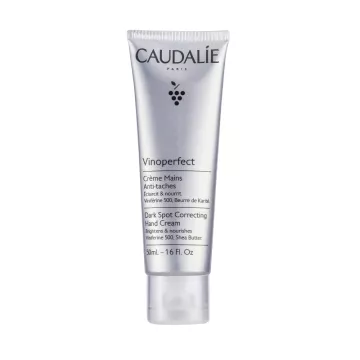
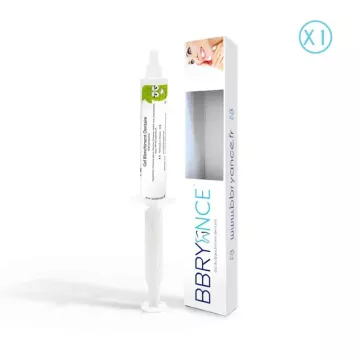
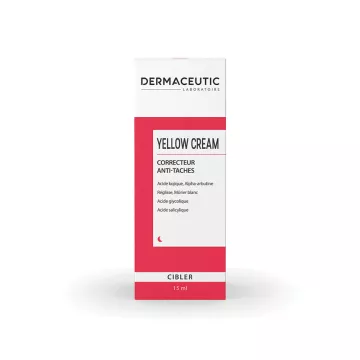
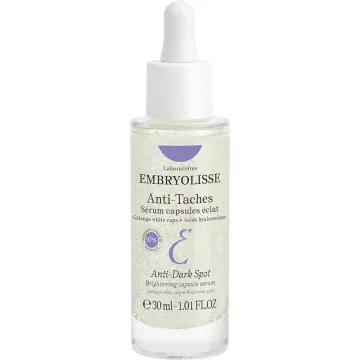
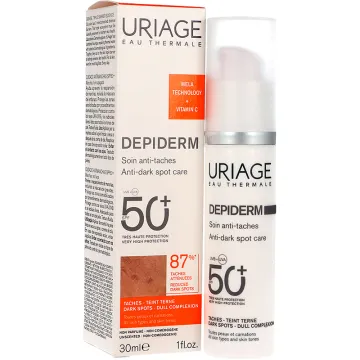
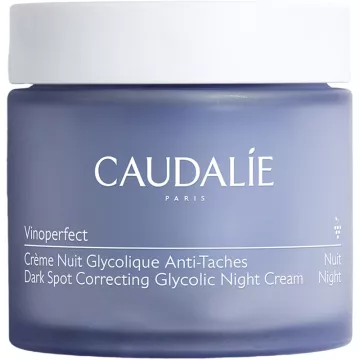
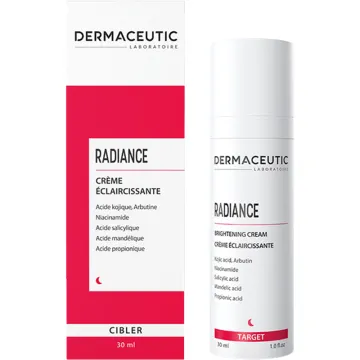
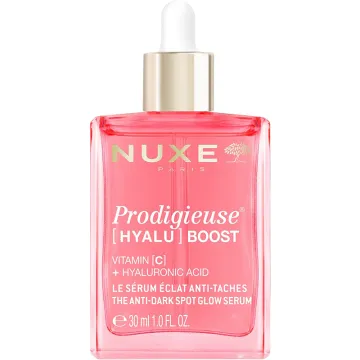
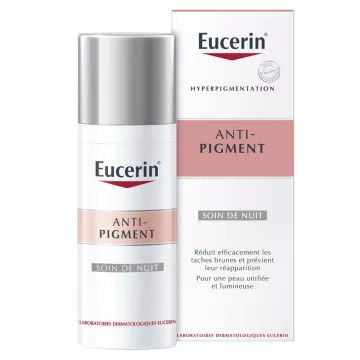
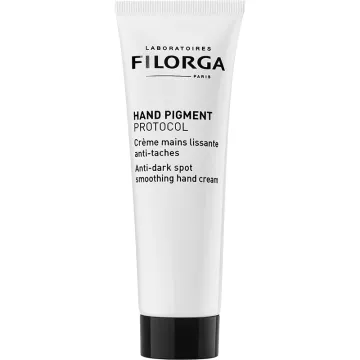
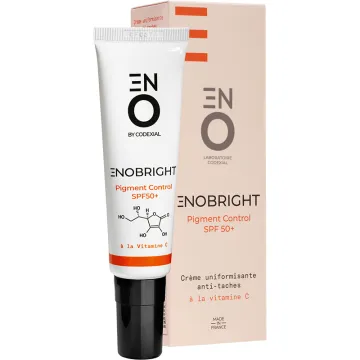
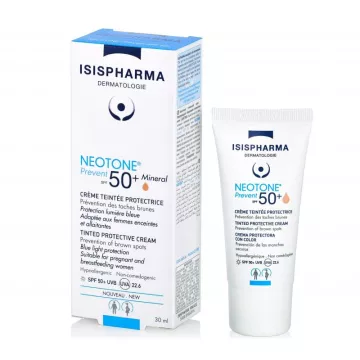
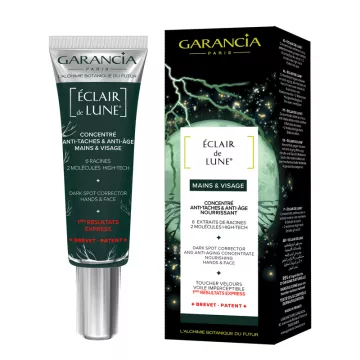
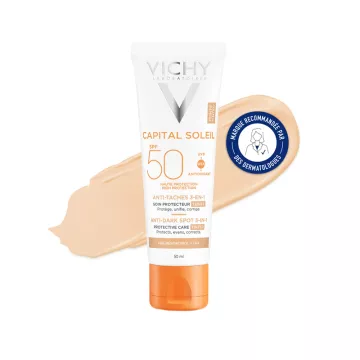
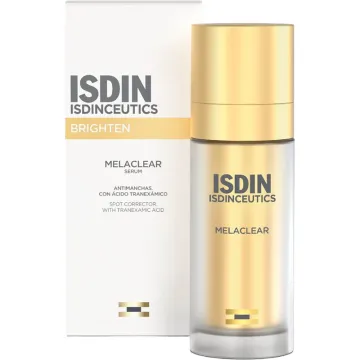
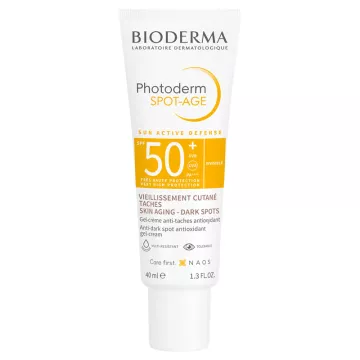
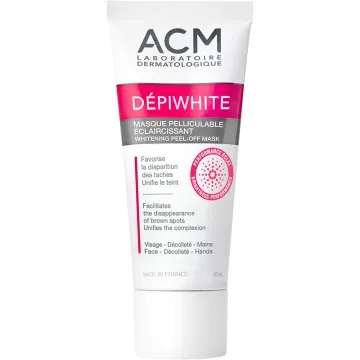
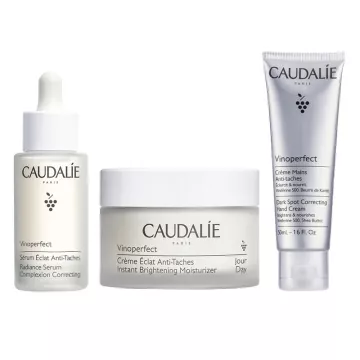
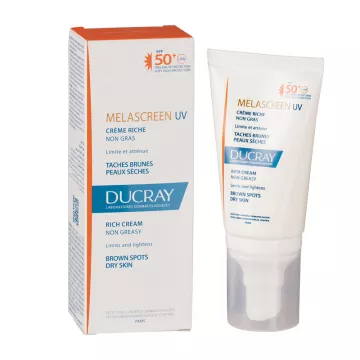
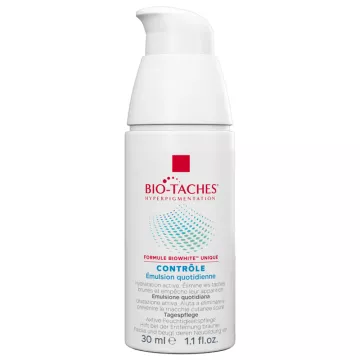
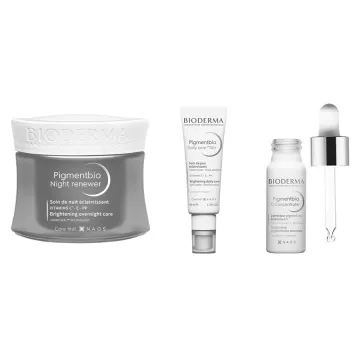
What is a dark spot corrector?
A dark spot corrector is a cosmetic product formulated to visibly reduce skin discoloration. Features:
- Targeted action on localized areas of hyperpigmentation
- Concentrated active ingredients that regulate melanin production and support cell renewal
- Various formats: cream, serum, spot treatment, mask
- Gradual, visibleresults over several weeks to several months
- Use as part of a daily routine or as an intensive treatment as needed
- Must be used in conjunction with daily sun protection
- A cosmetic approach distinct from medical dermatological treatments
These products are part of a comprehensive strategy for managing pigmentation spots. Our anti-spot section offers products tailored to different skin types.
How does a dark spot treatment cream work?
Several cosmetic mechanisms work together:
- Modulation of melanin production by acting on tyrosinase
- Promotedcell turnover to reduce superficial marks
- Antioxidant action against free radicals involved in pigmentation
- Gentle exfoliation of the superficial layers (AHAs, BHAs)
- Support for the skin barrier through moisturizing and soothing active ingredients
- Evening effect on the overall complexion
- Reduces recurrence in synergy with sun protection
Combining several active ingredients in a balanced formula often yields the best results. Rigorous sun protection is essential for the true effectiveness of any anti-dark spot treatment: without daily SPF, these efforts are rendered ineffective.
What types of dark spots are addressed?
Several types respond to cosmetic treatments:
- Solar lentigines (actinic spots): linked to cumulative sun exposure, common on the face, hands, and décolleté
- Age spots: associated with aging and sun-induced skin changes
- Melasma (chloasma): hormonal spots, common in pregnant women (“pregnancy mask”) or those taking birth control (dermatological consultation recommended)
- Post-inflammatory hyperpigmentation: residual marks from acne, eczema, or injuries
- Superficialpigmented scars
- Diffuse spots related to overall photoaging
- Uneven skin tone without defined spots
To be distinguished (dermatological consultation required):
- Pigmented nevus: a mole that requires monitoring (ABCDE rule)
- Precancerous lesions (actinic keratoses) or cancerous lesions (melanoma, carcinoma)
- Rapidly appearing, asymmetrical, progressive, or bleedingspots
- Vitiligo or hypopigmentation: specific treatment required
Any atypical or changing spot requires a medical evaluation before any cosmetic treatment.
What active ingredients should you look for?
Several well-documented cosmetic ingredients:
- Vitamin C (L-ascorbic acid, stabilized derivatives): an antioxidant that helps even out skin tone; use in the morning
- Niacinamide (vitamin B3): improves the visible evenness of the complexion, soothes redness, well-tolerated
- Azelaic acid: effective against dark spots and blemishes; one of the safest options, even during pregnancy, according to medical advice
- Tranexamic acid in cosmetics: acts on hyperpigmentation
- Kojic acid: a pigmentation modulator
- Arbutin: a natural derivative of hydroquinone, well-tolerated in cosmetics
- AHAs (glycolic, lactic, and mandelic acids): gentle exfoliants that support skin renewal (photosensitizing)
- Salicylic acid (BHA): effective for post-acne marks
- Cosmetic retinol: promotes cell renewal (for evening use only; photosensitizing; contraindicated during pregnancy and breastfeeding)
- Resveratrol and plant polyphenols: antioxidants
- Vitamin E: an antioxidant that works in synergy with vitamin C
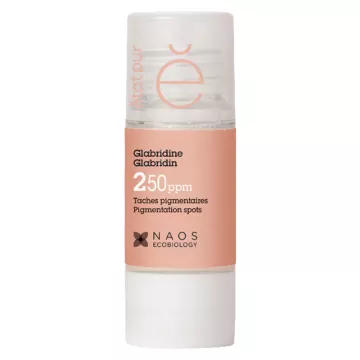
- Glabridin (licorice extract): regulates pigmentation
By prescription only: hydroquinone (contraindicated during pregnancy and breastfeeding), topical retinoids (teratogenic), and medical-strength depigmenting peels. These treatments are strictly the domain of a dermatologist.
How to choose the right cream?
Several criteria guide the selection:
- Type of dark spot: sun-induced, hormonal, post-inflammatory, or mixed
- Skin type: dry (rich textures), combination (lightweight formulas), oily (non-comedogenic), sensitive (fragrance-free)
- Phototype: Darker skin tones are at higher risk of paradoxical hyperpigmentation following certain procedures
- Extent of dark spots: localized or diffuse
- Depth: epidermal (more accessible) or dermal (limited cosmetic response)
- Individual tolerance to concentrated active ingredients
- Hormonal context: pregnancy, breastfeeding, menopause (formulations tailored to these conditions)
- Compatibility with other products in the skincare routine
- Included SPF or the addition of separate sun protection
- Consult a pharmacist if in doubt
A dermatology consultation is recommended for widespread, long-standing, or stubborn dark spots that do not respond to over-the-counter skincare products. Always consult your pharmacist to identify the most suitable formulation.
How to apply it correctly?
A consistent routine optimizes results:
- Remove makeup and gently cleanse the face
- Optional use offloral water or a soothing toner
- Apply the anti-dark spot creamdirectly to the affected areas
- Usea moderate amount: about the size of a pea for the entire face, less for spot treatment
- Gently massage in circular motions until absorbed
- Wait one minute before moving on to the next step
- Applymoisturizer to the entire face
- SPF 30 to 50+ sunscreen is essential as the final step in your morning routine
- In the evening: no SPF; you may choose to incorporate a targeted serum depending on the night
Precautions: Perform a 48-hour patch test in the crook of the elbow before first use; introduce concentrated active ingredients (especially retinol and AHAs) gradually; avoid the eye area and mucous membranes unless otherwise directed. Consistent daily use over several weeks to several months is the key to success.
What results can you expect, and how long will it take?
The time it takes to see results varies by individual:
- First visiblesigns at 4–6 weeks: radiance, gradual evenness
- More pronounced results after 8–12 weeks of regular use
- Significant reduction over 3 to 6 months, depending on the type and depth
- Superficial epidermal spots: faster response (4–8 weeks)
- Deep dermal spots: slower response, sometimes limited to cosmetic treatments
- Melasma: improvement is possible but recurrences are frequent (medical follow-up recommended)
- Pigmented post-acne scars: gradual improvement over several months
Factors for success:
- Strict sun protection (without which treatment efforts are negated)
- Consistent application without premature discontinuation
- Patience and tolerance for the time required
- A combined approach (topical treatments + diet + lifestyle)
- Consultation with a dermatologist in case of resistance or changes
- Acceptance that some older spots may require additional medical procedures (lasers, IPL, chemical peels)
No cosmetic treatment produces dramatic results in just a few days.
What precautions should you be aware of?
There are several important points to keep in mind:
- A 48-hourtolerance test beforehand
- Gradual introduction of concentrated active ingredients
- Avoid using multiple irritating active ingredients at the same time (retinol + AHAs + concentrated vitamin C)
- Always use sun protection (most anti-dark spot ingredients are photosensitizing)
- Avoid applying to damaged, irritated, or inflamed skin
- Follow the recommendedconcentrations and application frequencies
- Store away from light and heat (sensitive formulas)
- Observe the PAO (Period After Opening)
- Avoid the eye area and mucous membranes
Main contraindications:
- Pregnancy and breastfeeding: avoid hydroquinone, prescription retinoids, and highly concentrated cosmetic retinol
- Damaged skin or active eczema in the treatment areas
- Activerosacea
- Knownallergies to preservatives or active ingredients
- Dark skin type: use concentrated active ingredients with caution (risk of paradoxical hyperpigmentation)
- History of severeallergic reactions
If in doubt, consult your pharmacist or dermatologist.
Can it be combined with other skincare products?
Combinations are possible, provided you follow a few guidelines:
Good combinations:
- Vitamin C serum in the morning + spot treatment cream applied to specific areas
- Niacinamide + hyaluronic acid: soothing and hydrating
- Azelaic acid + niacinamide: well-tolerated when used together
- Dark spot corrector + soothing moisturizer
- SPF 30 to 50+ sunscreen is essential as the final step in your morning routine
- Gently exfoliate 1 to 2 times a week to optimize absorption
- Weeklyhydrating or soothing mask
Avoid:
- Simultaneous use of retinol + AHAs + concentrated vitamin C
- Usingmultiple high-concentrationdepigmenting active ingredients at the same time
- Application immediately after a medium or deeppeel without medical advice
- Multiple photosensitizing active ingredients without rigorous sun protection
Gradually introducing one active ingredient at a time allows you to assess tolerance. Our high-protection sunscreen line is an essential complement.
What are the possible side effects?
Several reactions may occur, especially at the start of use:
- Initialtingling or a sensation of warmth (usually temporary)
- Temporaryredness
- Dryness and tightness
- Superficial peeling
- Increased sensitivity to the sun when using photosensitizing ingredients
- Paradoxical hyperpigmentation in darker skin types if used improperly
- Allergic reactions to preservatives, fragrances, or active ingredients
- Persistentitching
- Contact dermatitis in rare cases
- Paradoxical breakouts (transient purging with retinol or AHAs)
What to do:
- Discontinue use immediately if a severe reaction occurs
- Rinse with lukewarm, clear water
- Apply a soothing treatment containingaloe vera or chamomile
- Space out applications (every other time, then every third time)
- Gradually reintroduce the product after symptoms improve
- Consult a pharmacist or dermatologist if symptoms persist
How can you maintain the results?
Maintaining results depends on a long-term approach:
- Strict, lifelong sun protection with SPF 30 to 50+ daily (key factor #1)
- Apply a sufficient amount: 2 mg/cm² (one teaspoon for the face)
- Reapply every 2 hours while exposed to the sun
- Weara wide-brimmed hat and UV-protective sunglasses when exposed to the sun
- Strict avoidance of tanning beds (classified as a Group 1 carcinogen by the IARC)
- Consistent use of an appropriateskincare routine
- Synergistic use oftopical and dietary antioxidants
- Self-monitoring of spots and new lesions (ABCDE rule)
- Annual or biannualdermatology consultation
- Adaptation to hormonal changes (pregnancy, menopause)
- Healthy lifestyle (sleep, diet, stress management)
- Avoiding tobacco and limiting alcohol consumption
- Periodic touch-ups of any cosmetic procedures as recommended by a doctor
Without rigorous sun protection, dark spots will quickly reappear regardless of the quality of the initial treatment. For a comprehensive approach that addresses both skin radiance and uneven skin tone, a consistent, long-term strategy yields the best visible and lasting results. Your pharmacist remains a valuable resource for tailoring this strategy to the changing needs of your skin.





![Nuxe Super Serum [10] Longevity: The Universal Anti-Aging Concentrate](https://www.soin-et-nature.com/media/cache/shop_product_thumbnail/e8/d1/d45b23bd5f28009edfe48dd7bb15.jpg "Nuxe Super Serum [10] Longevity: The Universal Anti-Aging Concentrate")