An anti-infective is any substance capable of preventing or treating an infection caused by a pathogen—a bacterium, virus, fungus, or parasite. In medicine, this term refers to prescription drugs (antibiotics, antivirals, antifungals, and antiparasitics) that are prescribed only by a doctor after identifying the causative agent. In over-the-counter and herbal medicine, it refers to natural substances with antimicrobial activity that are available without a prescription and are used preventively or to support the treatment of mild infections. No natural anti-infective can replace medical treatment prescribed for a severe, febrile, or persistent infection—consulting a doctor remains essential. Anti-infective support products are available in the shop’s “Immunity” and “Immune Defense” herbal medicine sections.
The four classes of pharmaceutical anti-infectives are distinguished by their target:
Plants and natural substances with antimicrobial activity constitute the realm of natural anti-infectives available in health food stores. Their spectrum of activity is more limited than that of conventional medications, but they offer effective preventive support for mild viral and bacterial upper respiratory tract infections.
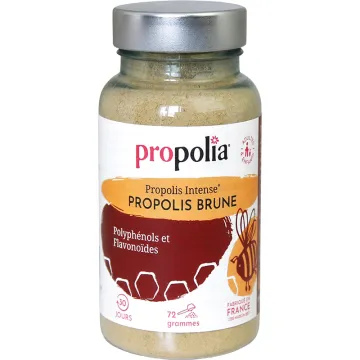
Propolis is one of the most versatile natural substances—its flavonoids exhibit broad-spectrum antibacterial and antiviral activity, making it particularly useful for winter ENT support (oral spray, capsules).Garlic (allicin) has documented antibacterial and antiviral activity and can be consumed daily as a standardized extract or in fresh form. Manuka honey (standardized MGO/UMF) is used for its local antimicrobial properties on minor wounds and oral irritations.Echinacea (EMA: well-established use) supports the body’s defenses against viral respiratory infections when taken as a 2- to 4-week course.
Resistance to anti-infective agents—primarily antibiotics—is one of the most critical public health challenges. It develops when anti-infective agents are used incorrectly (for viral infections), are underdosed, or are discontinued prematurely before the end of the prescribed course of treatment. For every course of antibiotics, it is essential to complete the full treatment, even if symptoms disappear sooner, and to take probiotics to protect the gut flora disrupted by antibiotic therapy. As for natural anti-infectives, targeted use for a limited duration (5 to 10 days) is recommended. If symptoms persist beyond 5 to 7 days, worsen, or are accompanied by a fever, consult a doctor immediately.