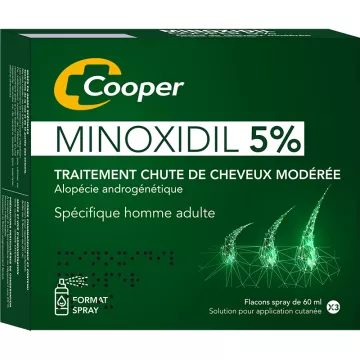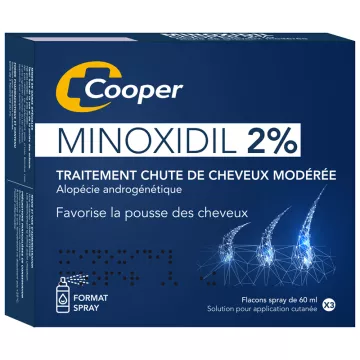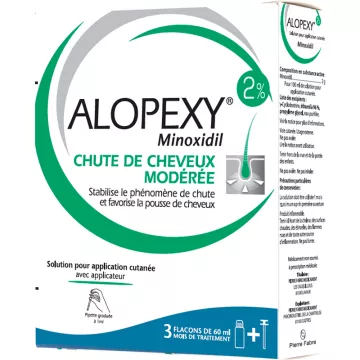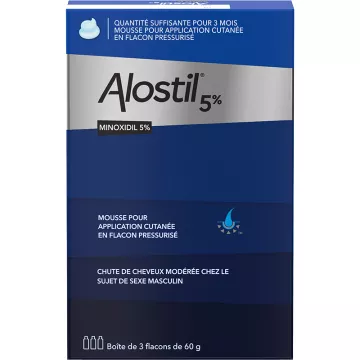


Alopecia refers to any condition involving hair loss, whether partial or total, localized or diffuse, temporary or permanent. The term encompasses several distinct medical conditions with different causes and treatments. A distinction must be made between physiological hair loss (50 to 100 hairs per day is normal) and pathological hair loss (more than 100 hairs per day or loss affecting visible density). See also baldness (strict androgenetic alopecia) and hair loss (a general term used by the general public). An accurate diagnosis of the type of alopecia is essential for guiding therapeutic management.
Several classifications exist based on mechanism and presentation:
Other causes include traction alopecia (tight hairstyles), drug-induced alopecia (chemotherapy), and trichotillomania (compulsive hair pulling).
The differential diagnosis relies on several tests. Detailed medical history: duration, onset, family history, current treatments, triggering events (childbirth, fever, diet). Clinical examination of the scalp: trichoscopy (dermatoscope), hair pull test, pattern of hair loss. Laboratory tests: complete blood count (CBC), ferritin, TSH, vitamin D, zinc, and sometimes a comprehensive hormonal panel (free testosterone, SHBG, prolactin in women). Trichogram: Microscopic analysis of plucked hairs to assess the anagen/telogen ratio. Scalp skin biopsy: Reserved for atypical cases or suspected scarring alopecia. The dermatologist remains the specialist of choice for these investigations.
The therapeutic approach varies depending on the diagnosis:
See also the hair regrowth page for treatments to stimulate regrowth.
Several dermo-cosmetic treatments provide complementary support to medical treatments. Stimulating lotions containing Procapil, Capixyl, Anagain, Serenoa repens, caffeine, or methyl nicotinate: Ducray Anaphase+, Klorane Quinine, Phyto Phytocyane, Cooper Anaphar. Anti-hair loss shampoos as a 2–3-month treatment (2–3 applications per week). Targeted dietary supplements: Forcapil, Cystiphane Biorga, Nutricap Ducray, Phytophanere, Innéov Densilogie. Scalp massages to stimulate local microcirculation. Post-chemotherapy care: custom wigs, gentle post-regrowth treatments (thermal spring water, soothing balms). Preserve the scalp’s skin barrier through appropriate hydration.
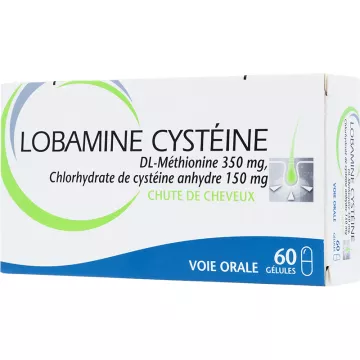
Nutrition plays a direct role in hair growth. Deficiencies that aggravate or trigger alopecia are common: iron and ferritin (in menstruating women and vegetarians), vitamin D3, zinc, biotin (vitamin B8), vitamin B12, selenium, and high-quality protein. Have targeted lab tests done before taking supplements to identify actual deficiencies. A balanced diet: lean proteins (meat, fish, legumes, eggs), omega-3s (fatty fish, nuts, flaxseed), and a variety of fruits and vegetables. Drink 1.5 to 2 L of water per day. Avoid restrictive, unbalanced diets, which are a common cause of telogen effluvium. A 3- to 6-month oral regimen of sulfur-containing amino acids (cystine, methionine) to complement topical treatments.
The psychological impact of alopecia is often underestimated. Decreased self-esteem, social anxiety, and sometimes episodes of depression are common, particularly among women and younger individuals. Severe forms (extensive alopecia areata, total alopecia) or those that are impossible to conceal can significantly affect quality of life. Several support resources are available: specialized organizations (Alopecia France for alopecia areata), support groups, cognitive-behavioral therapy, and specialized psychological counseling. Recognizing the emotional aspect is part of comprehensive care, just as much as medical treatment. For women, high-quality hair prostheses, scarves, and turbans can help restore confidence during treatment.
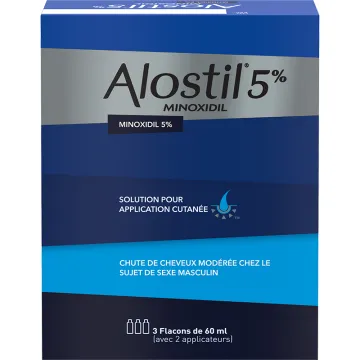
A consultation is recommended if: sudden or severe hair loss (significant effluvium), hair loss in round patches (suspected alopecia areata), hair loss persisting for more than 6 months, associated itching or inflammation, early-onset hair loss before age 25, associated systemic symptoms (unusual fatigue, menstrual irregularities, weight gain), or a family history of autoimmune disorders. A dermatologist remains the specialist of choice—preferably one trained in trichology. For women, seek additional consultation with a gynecologist or endocrinologist if there are signs of hyperandrogenism. A sports medicine physician should be consulted for athletes engaged in intensive training whose hair loss is associated with overtraining or an eating disorder. Test cosmetic minoxidil for 6 months before assessing its effectiveness, then adjust the treatment strategy.