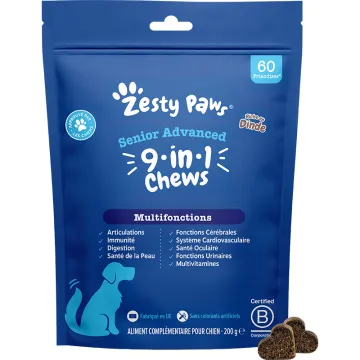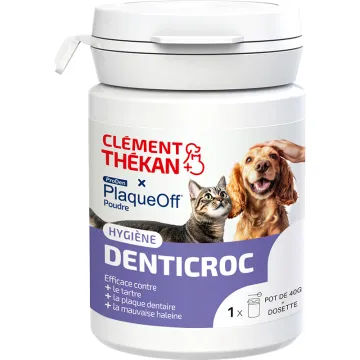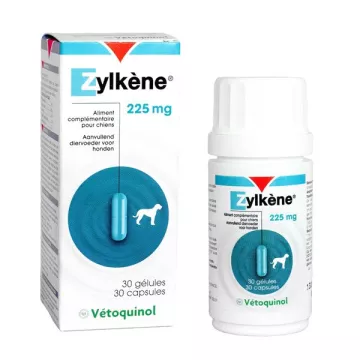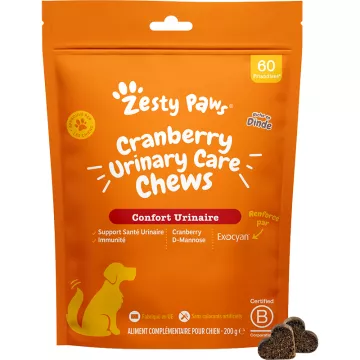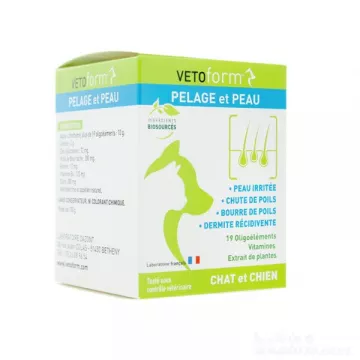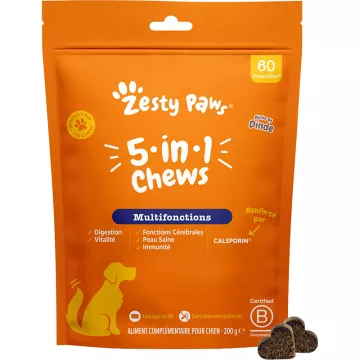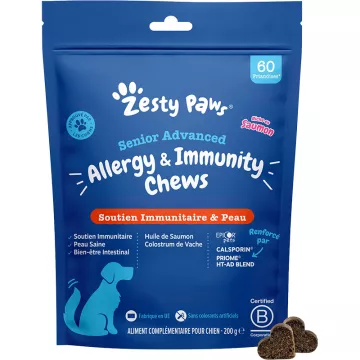
Adult dogs (ages 1 to 7, depending on the breed) have nutritional needs that differ from those of puppies and senior dogs. Their caloric intake must exactly match their energy expenditure— overweight affects more than 30% of adult dogs in Europe and is a major risk factor for osteoarthritis, diabetes, and heart disease. This is primarily managed through precise adjustment of the diet and increased physical activity, before resorting to a low-calorie diet. Multifunctional supplements (9-in-1: joints, skin, coat, vision, heart, immunity, digestion, energy) offer a practical approach to meeting all the maintenance nutritional needs of an active adult dog.
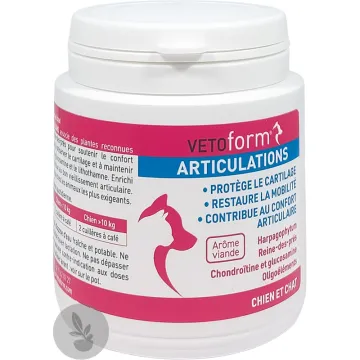
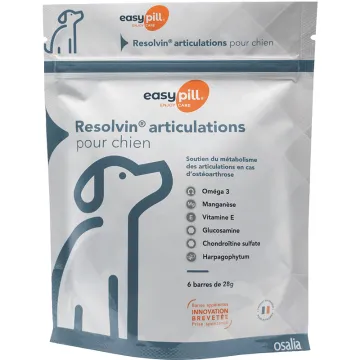
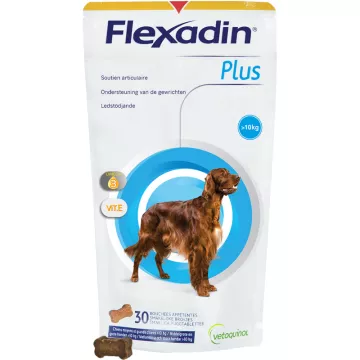
Osteoarthritis affects approximately 20% of adult dogs and up to 80% of dogs over 8 years old—it is often underdiagnosed because dogs hide their pain. The first signs are behavioral: stiffness upon waking, hesitation to jump into the car, and persistent licking of a joint. The standard combination in veterinary joint care includes:
These three active ingredients are often combined in chewable joint treats. Glucosamine is the most well-documented joint supplement in veterinary medicine—its effectiveness is optimal with continuous use for at least 6 to 8 weeks.
Chondroitin (a glycosaminoglycan extracted from bovine cartilage) inhibits metalloproteinases that break down cartilage under inflammatory conditions. Hyaluronic acid improves the viscosity of synovial fluid. Manganese is an essential cofactor for the enzymes involved in glycosaminoglycan synthesis—a deficiency reduces the production of endogenous chondroitin and weakens the cartilage. Copper and zinc round out this picture by supporting the synthesis of type II collagen, the major structural protein of hyaline cartilage.
Working, sporting, or hunting dogs have significantly higher energy needs than sedentary dogs. Plant-based adaptogens (rhodiola, ginseng, astragalus) are included in veterinary supplements to support exercise endurance and reduce post-exercise fatigue. Rhodiola (Rhodiola rosea, rosavins, and salidrosides) improves mitochondrial oxygen utilization and reduces markers of oxidative stress after intense exercise—particularly useful during working or competition seasons. These adaptogenic plants also modulate the immune response in active dogs.
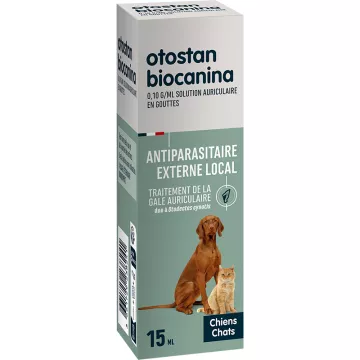
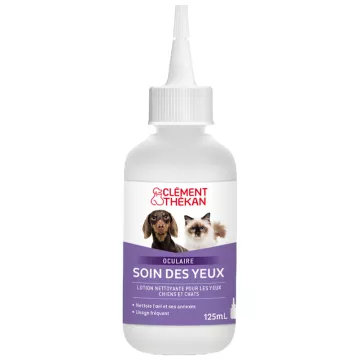
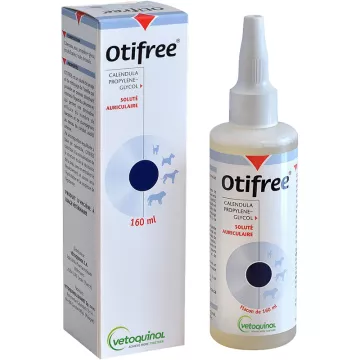
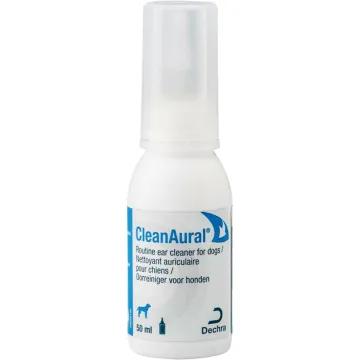
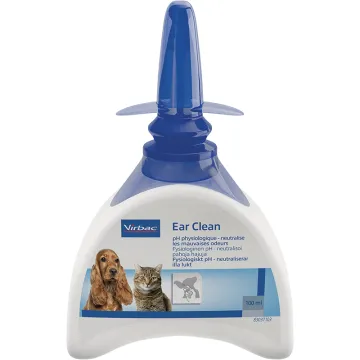
Otitis externa is the second most common condition seen in veterinary practice in adult dogs. Predisposed breeds (Cocker Spaniel, Labrador, Golden Retriever, Poodle) typically have a pendulous ear canal and excessive earwax production. Ear mites (Otodectes cynotis) cause intense ear itching, frequent head shaking, and a characteristic brown-to-black buildup of earwax. Specific products (ceruminolytic solutions + acaricides) target both the parasite and the earwax. Prevention involves weekly cleaning in predisposed breeds, with visual inspection to ensure there is no redness or odor.