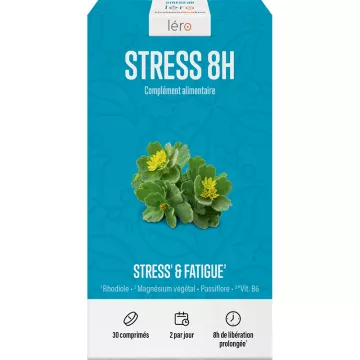
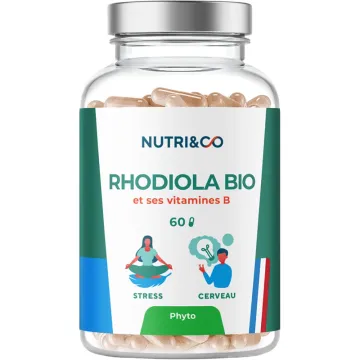
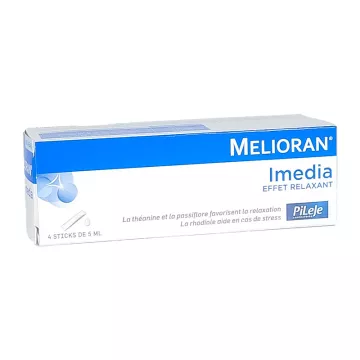
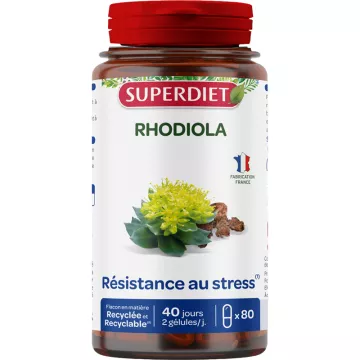
Why use Rhodiola in herbal medicine?
Rhodiola is known to increase the body’s resilience and immune defenses. By improving the synthesis and release of serotonin, it helps address nervous system disorders such as stress, seasonal or chronic depression, and headaches. As a stimulant, Rhodiola also affects female libido, erectile dysfunction in men, and physical performance during intense athletic activity.
Among the Siberian Yakuts and in Scandinavia, the root—nicknamed “tundra ginseng”—is traditionally taken as a stimulant and to combat fatigue. Among the Inuit of Alaska and Canada, a decoction of fresh flowers is recommended for gastritis, intestinal disorders, and tuberculosis, while the stems and fleshy leaves are eaten as a vegetable. In Russia, herbal tea and a 40° alcohol tincture are traditional remedies, and the fluid extract is listed in the 1975 Russian Pharmacopoeia. In Mongolia, the root is recommended for the flu, tuberculosis, and cancer. A Himalayan species, Rhodiola crenulata, is also used in traditional Chinese medicine as a stimulant, but overharvesting, particularly in Tibet, threatens this species with extinction.
Latin name: Rhodiola rosea L.
Botanical family: Crassulaceae
Part used: Rhizome
How does Rhodiola affect stress and fatigue?
It affects the levels and activity of monoamines and opioid peptides such as beta-endorphins. Rhodiola rosea primarily acts on the central nervous system and other systems through several key biological mechanisms:
- Improved cognitive function: Its anticholinesterase action, due to flavonoid glycosides, inhibits the enzyme acetylcholinesterase (AChE), thereby promoting memory and learning.
- Neuroprotective properties: It protects neurons through antioxidant, anti-inflammatory, and cholinergic modulation mechanisms. Salidroside, an active component, acts via the mitochondrial pathway to limit oxidative damage (FRO, NO).
- Antidepressant action: By inhibiting monoamine oxidases (MAO), Rhodiola preserves neurotransmitter levels (serotonin, norepinephrine), thereby regulating the cellular response to stress.
- Anti-fatigue effect: Its adaptogenic properties increase physical and mental endurance by reducing salivary cortisol (stress).
- Endocrine properties: It influences the menstrual cycle and sexual function, with effects onamenorrhea and erectile dysfunction.
- Cardioprotective and anticancer activity: It inhibits angiotensin-converting enzyme (ACE), demonstrating antihypertensive potential, and promotes apoptosis in cancer cells.
These mechanisms of action highlight its multifunctional therapeutic potential, suitable for a variety of conditions.
Are there any contraindications for Rhodiola?
- Avoid taking it in the evening so as not to disrupt sleep
- Contraindicated for pregnant or breastfeeding women
- For adults only
- Use with caution in people with bipolar disorder (manic-depressive psychosis), as the root may trigger episodes of psychological excitement similar to mania
- Due to its hypoglycemic effect, a dosage adjustment may be necessary for individuals taking antidiabetic medications
- Changes in blood pressure; dosage adjustment may be necessary for individuals taking antihypertensives
- Possible interaction with losartan
- Increased risk of bleeding; use with caution in combination with aspirin, oral anticoagulants, heparin, clopidogrel, and nonsteroidal anti-inflammatory drugs
- Use with caution in patients taking central nervous system depressants
- Possible interactions with cytochrome P450 enzymes; use caution with medications that have a narrow therapeutic index
- Possible interactions with acetaminophen, acetazolamide, alpha-glucosidase inhibitors, anxiolytics, sedatives, antibiotics, anticancer drugs, antidepressants, MAOIs and IRS, anti-inflammatories, antivirals, catechol-O-methyltransferase (COMT) inhibitors, central nervous system stimulants, lipid-lowering agents, estrogens, immunomodulators, opioids, pentobarbital, theophylline
What active compounds are found in Rhodiola?
- Phenylethanoids(salidrosideandtyrosol),phenylpropanoids(cinnamic alcoholand its derivatives: rosin androsavin), androsavidin(a cinnamyl-0(6'-O-L-arabinopyranosyl-glucopyranoside), rhodiooctanoside, rosiridin, rhodiolin, viridoside
- Essential oil, 8-sitosterone,daucosterol
- Monoterpenes, an anthraglycoside
- Flavonoids and tannins(16–18%)
- Cinnamic alcohol, chlorogenic acid
The root and rhizome sold in pharmacies are covered by an EMA monograph. The plant is listed in the French Pharmacopoeia’s list of medicinal plants and is authorized for use in dietary supplements in France.
Does Rhodiola help lower cortisol?
Cortisol is a stress hormone produced by the adrenal glands. High cortisol levels can cause sleep problems. If you’re looking to lower your cortisol levels to improve your sleep quality in the long term, here are a few tips that might help.
- Manage your stress: Stress is one of the main causes of elevated cortisol levels in the body. Stress management techniques such as meditation, deep breathing, yoga, regular exercise, and behavioral therapy can help reduce your stress and cortisol levels.
- Improve your diet: Eating a healthy, balanced diet can help maintain healthy cortisol levels. Avoid processed foods high in sugar, saturated fat, and salt. Instead, opt for nutrient-rich foods, such as fruits and vegetables, lean proteins, and healthy fats.
- Get enough sleep: Lack of sleep can increase cortisol levels in the body. Try to get 7 to 8 hours of sleep per night and maintain a regular sleep schedule. Also, avoid screens and blue light before bedtime.
- Exercise regularly: Regular exercise can help lower cortisol levels and improve the quality of your sleep. Try to exercise for at least 30 minutes a day, preferably outdoors.
- Avoid stimulants: Stimulants such as caffeine, alcohol, and nicotine can increase cortisol levels in the body. Avoid consuming them before bedtime and limit your intake during the day.
By following these tips, you can lower your cortisol levels and improve the quality of your sleep. However, if you have persistent sleep problems, it’s important to consult a doctor for further advice.
What dietary supplements for stress and sleep does Soin-et-Nature offer?
Soin-et-Nature offers a wide variety of dietary supplements to manage stress, improve sleep, and promote emotional balance. Here are the main categories available:
- To restore stable emotional balance, specially formulated supplements promote mental well-being and help manage emotions.
- To improve sleep quality, natural solutions help reduce nighttime disturbances and promote restful sleep.
- To naturally regulate the sleep cycle, melatonin supports falling asleep and a balanced circadian rhythm.
- To reduce stress and anxiety, targeted supplements provide natural support when facing stressful situations.
- To restore serenity and well-being, specific formulas offer comprehensive support for both mind and body.
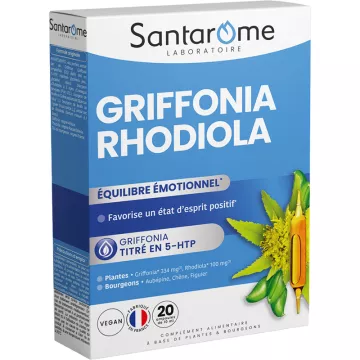
- To promote relaxation and calm, Griffonia, rich in 5-HTP, helps regulate mood.
- For natural support against mild depression, St. John’s wort is known for its natural antidepressant properties.
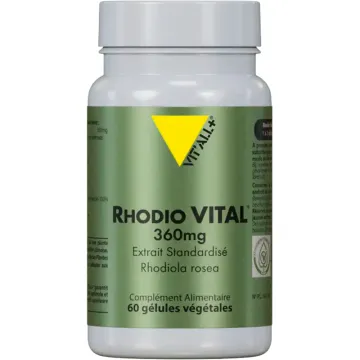
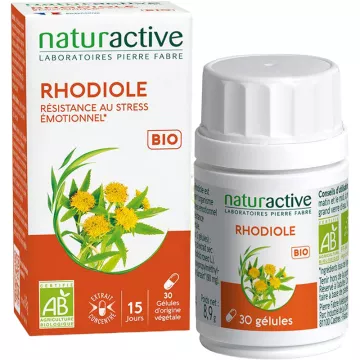
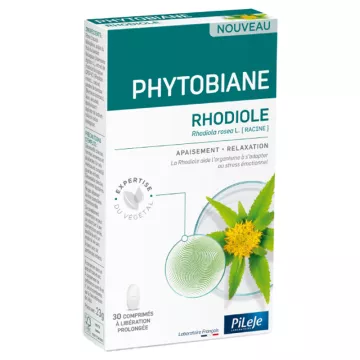
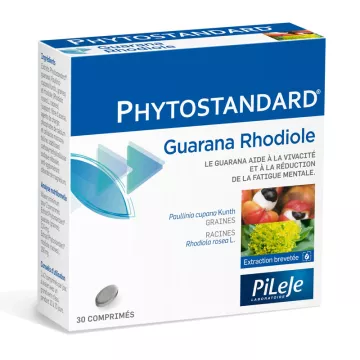
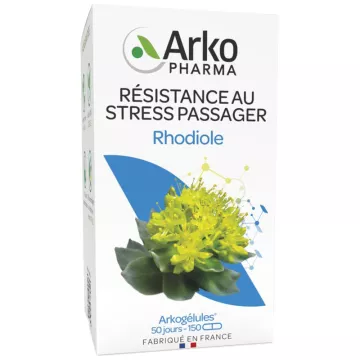
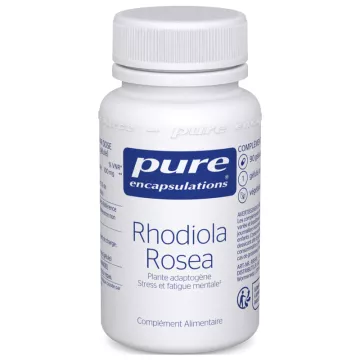
- To improve stress resilience and mental vitality, rhodiola is ideal for better managing demanding situations.
These dietary supplements for stress and sleep, available on Soin-et-Nature, help you restore balance and serenity while promoting quality sleep.