What is a wet cough in babies?
A wet cough in infants, also known as a productive cough, is characterized by a moist, hollow sound caused by the buildup of mucus in the airways. Very common in babies, it is most often a protective reflex that helps clear secretions accumulated in the trachea and bronchi.
It frequently accompanies the common cold, nasopharyngitis, and mild viral bronchitis. It usually lasts 1 to 3 weeks, though it may persist longer after the acute phase. While it is generally benign and self-limiting, certain situations require increased vigilance in infants, whose respiratory systems are still immature. Additional resources are available for infants and common cold in babies in general.
What are the possible causes?
Several causes can explain a productive cough:
- Viral infections: the common cold, nasopharyngitis, bronchitis, bronchiolitis, respiratory syncytial virus
- Postnasal drip from a stuffy nose running down the throat
- Respiratory allergies (dust mites, pet dander, pollen in older children)
- Gastroesophageal reflux contributing to a nighttime cough
- Dry or polluted air, secondhand smoke
- Bacterial superinfection following a viral infection
Secondhand smoke remains a major aggravating factor in infants, increasing the frequency and severity of respiratory episodes. A productive cough is distinct from a dry cough (irritative, non-productive) and a barking cough (laryngitis). For children’s coughs in general, specific resources are available.
How can you help relieve your baby’s symptoms on a daily basis?
Several simple steps provide effective relief:
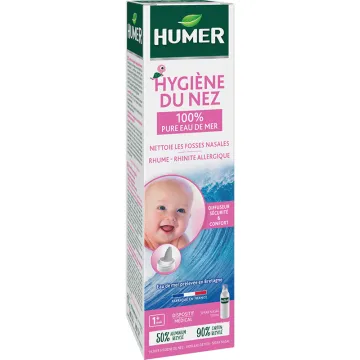
- Cleaning the nose with single-dose saline solution several times a day, before feedings and at bedtime
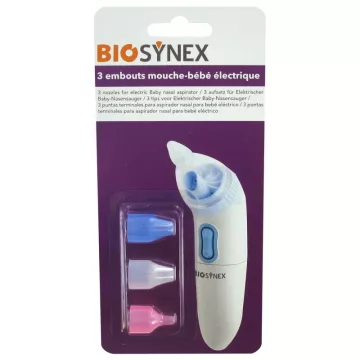
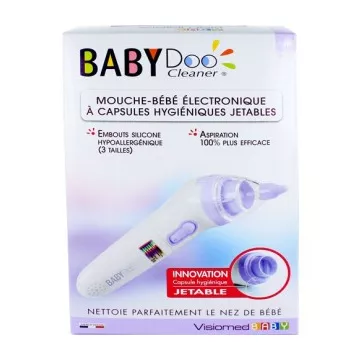
- Use a baby nasal aspirator to remove secretions after flushing with saline
- Regular hydration: continue feeding on demand; offer plain water to children who have started solid foods
- Maintain indoorhumidity at 40–60% (cold-mist humidifier, damp cloth)
- Moderateroom temperature of 18–20 °C
- Head slightly elevated on a sloped section of the mattress (never place a pillow under the baby)
- Extended rest and a calm environment
- Daily ventilation of the room; complete elimination of tobacco smoke in the home
Specific resources are available regarding saline solution, nasal aspirators, and nasal cleansing in general.
What products should be avoided?
Several precautions are necessary for infants:
- Mucolytic and expectorant syrups: not recommended before age 2 (ANSM)
- Codeine-containing cough suppressants: strictly contraindicated before age 12 (respiratory depression)
- Oral or spray decongestants: contraindicated before age 15 (serious cardiovascular risks)
- Camphor, menthol, eucalyptus: should not be used before 30 months of age (risk of seizures)
- Aromatic essential oils applied directly or diffused nearby: not recommended for children under 3 years of age
- Honey: strictly prohibited before age 1 (infant botulism, according to ANSES)
- Aspirin: should not be used in cases of viral infection (Reye’s syndrome)
Any medication given to an infant requires prior consultation with a pharmacist or pediatrician. Safe natural remedies include saline solution, humidification, and rest.
When should you seek immediate medical attention?
Several signs warrant an immediate visit to the doctor or a call to 15:
- Respiratory distress: rapid or wheezing breathing, intercostal retractions, flaring of the nostrils
- Bluish discoloration of the lips or face
- Apneas or pauses in breathing
- High fever (above 38.5 °C) or any fever before 3 months of age
- Persistentrefusal to eat, signs of dehydration
- Lethargy, unusual drowsiness, hypotonia
- Cough lasting longer than 10 to 14 days
- Intensecoughing fits with a noisy inspiratory gasp (suspected whooping cough)
- Worsening after initial improvement
- History of prematurity, heart or respiratory disease
Bronchiolitis, common in infants during the winter, may begin as a mild productive cough and then progress to bronchiolar involvement with respiratory distress. The pediatrician will assess the situation and may prescribe, depending on the diagnosis: a bronchodilator, respiratory physical therapy, or antibiotics in cases of confirmed bacterial superinfection. Your pharmacist remains a valuable resource for guidance on first aid and identifying warning signs, in addition to regular pediatric follow-up. Specific resources are available for fever and infant care in general.