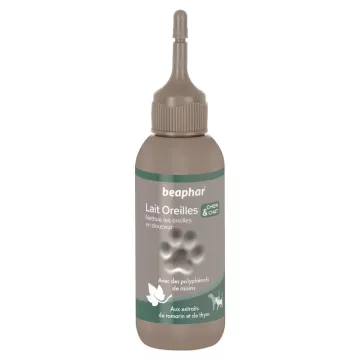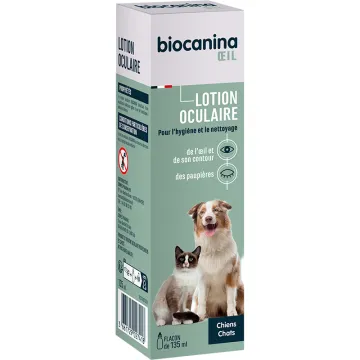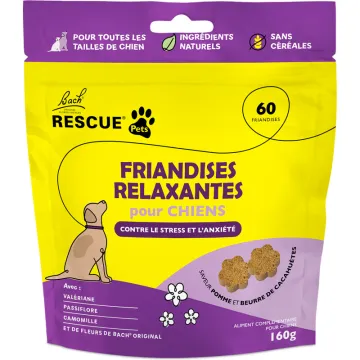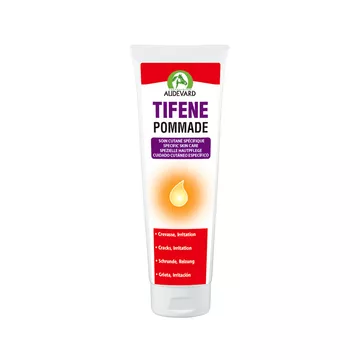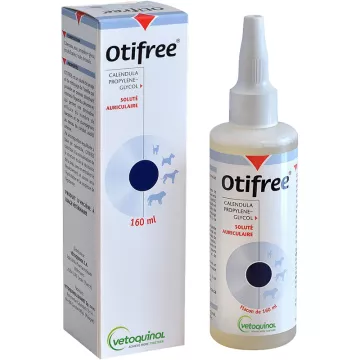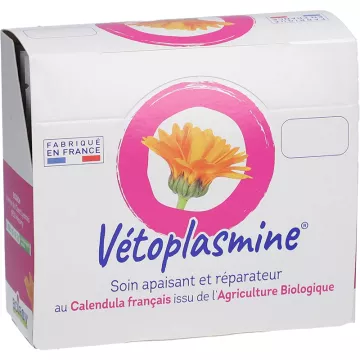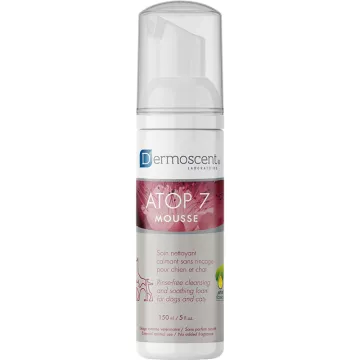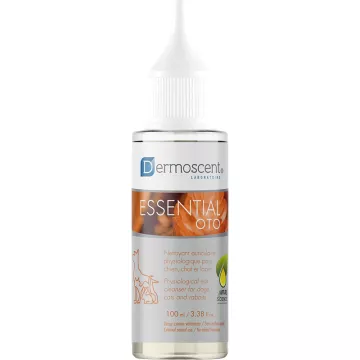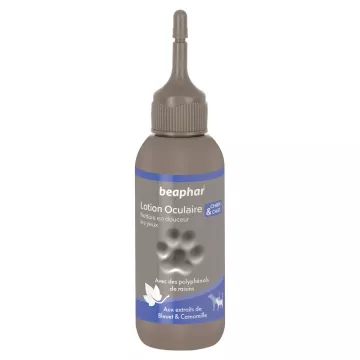
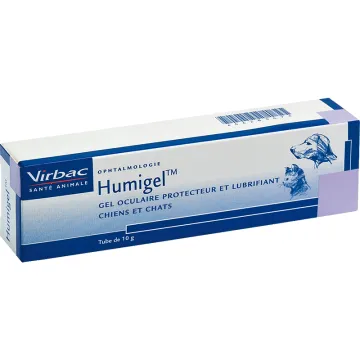
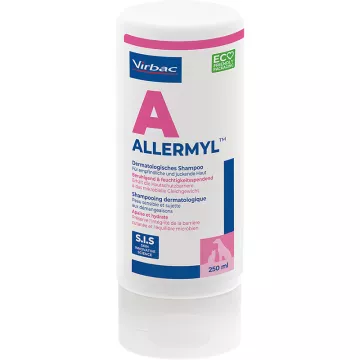
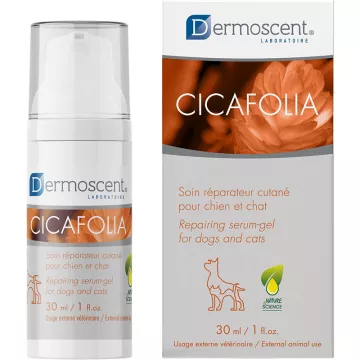
Daily veterinary care goes beyond simple parasite prevention—it includes eye, ear, oral, and skin hygiene, as well as support for compromised organ functions. The cornflower and chamomile eye lotion cleans away secretions without irritating the conjunctival mucosa—for daily use in brachycephalic breeds. The rosemary and thyme ear cleanser dissolves earwax and has a mild, natural antiseptic effect. These preventive care measures significantly reduce the frequency of recurrent ear infections and conjunctivitis. Reduced urine output (oliguria) in animals is always a cause for concern and should be reported to a veterinarian immediately.
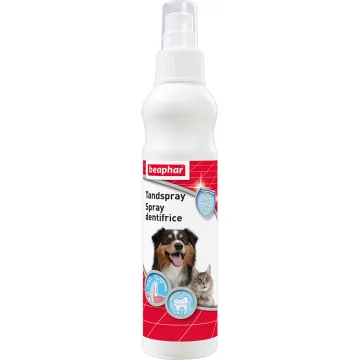
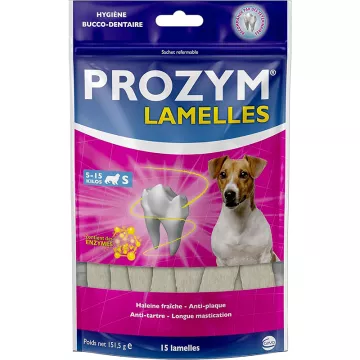
Oral hygiene is often neglected, even though it directly affects an animal’s heart, kidney, and liver health—periodontal bacteria spread through the bloodstream to these target organs. Brushing with a veterinary enzymatic toothpaste remains the most effective approach. Alternatives include gingival lotions applied to the gums, active treats (inositol hexaphosphate, bromelain, 0.12% chlorhexidine), and antiseptic solutions added to drinking water. Manually massaging the gums with an enzymatic gel gradually acclimates the animal to oral contact and prevents tartar buildup.
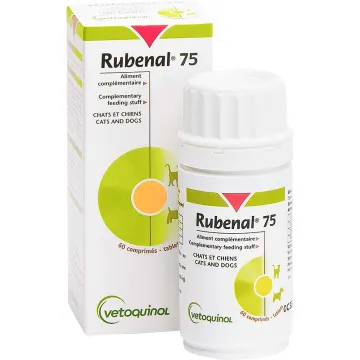
Kidney support supplements for pets (made with ginkgo biloba, turmeric, and calcium phosphate) support glomerular microcirculation in cases of mild to moderate chronic kidney disease. Ravintsara (Cinnamomum camphora, 1,8-cineole) is the most commonly used essential oil for respiratory care in veterinary medicine—it acts as an expectorant, immunostimulant, and antiviral—and is safe for use in a diffuser for dogs. Cranberry and D-mannose reduce bacterial adhesion to the bladder mucosa in cases of recurrent cystitis. Palatable medicated kibble makes it easier to ensure compliance in animals that are difficult to medicate.
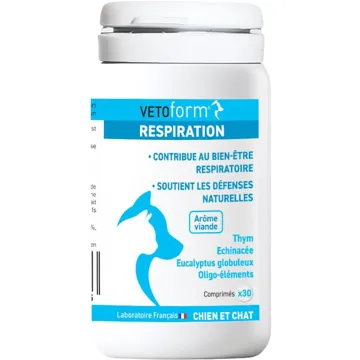
Respiratory wellness tablets for animals (eucalyptus, grindelia, thyme, propolis) act as mucolytics and expectorants during seasonal or post-infectiousrespiratory congestion. Eucalyptus (1,8-cineole) thins bronchial secretions. Grindelia (resins and flavonoids) is used for catarrhal and productive coughs in hunting dogs. These supplements are used for support and prevention—any respiratory distress remains an absolute veterinary emergency.
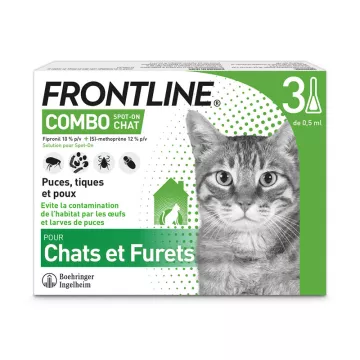
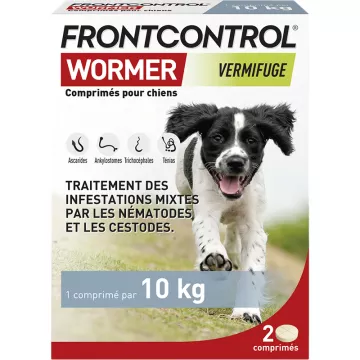
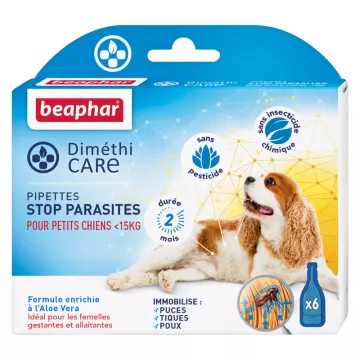
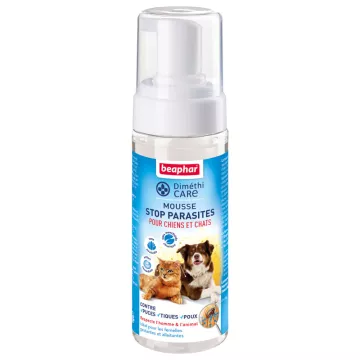
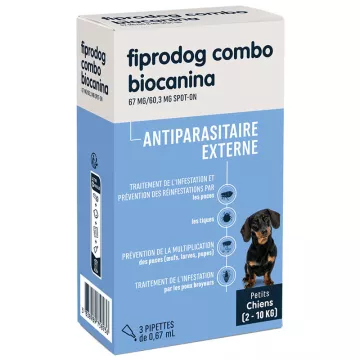
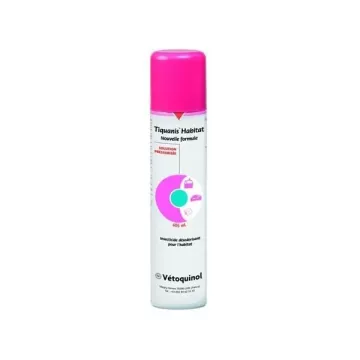
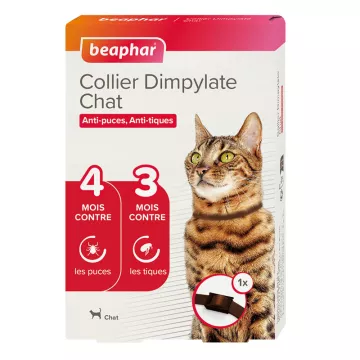
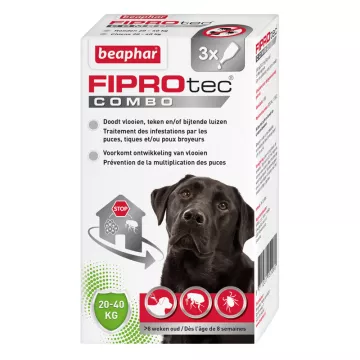
Comprehensive parasite control combines chemical treatments (topical treatments, tablets, collars) with mechanical tools (fine-toothed comb). The flea comb mechanically removes adult fleas and their eggs, complementing the action of chemical products during massive infestations. The insecticide capsule (fipronil) is an alternative to spot-on treatments for animals with skin sensitivity to oily excipients. Individual sensitivity to topical products underscores the importance of testing for skin tolerance before any large-area application.
Preventive home care is never a substitute for a veterinary diagnosis. Several situations require immediate consultation: persistent respiratory problems that do not respond to herbal supplements (productive cough lasting more than 10 days, dyspnea), unexplained weight loss despite a consistent diet, dark urine or absence of urine, crusty eyes with blepharospasm, or neurological signs (ataxia, seizures). Annual preventive care—vaccinations, deworming, blood work, and dental exams—remains the foundation of animal health. Pets that receive annual checkups have a significantly longer life expectancy and better quality of life than those seen only in emergency situations.