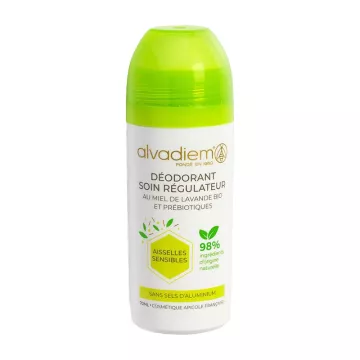
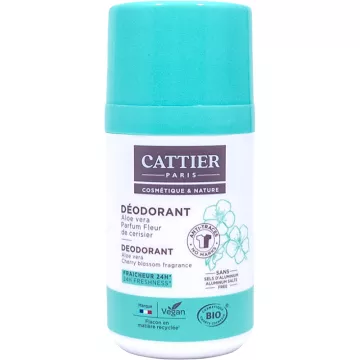
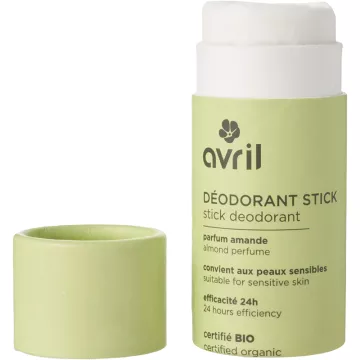
The underarms deserve regular attention as part of yourpersonal hygiene routine. The skin there is thinner, more sensitive to friction (from clothing or razors), and home to a specific microbial flora that—when it comes into contact with sweat—causes body odor. A gentle, tailored routine preserves skin comfort and helps you feel fresh every day.
What are the best care products for the underarms?
A simple, regular routine is sufficient in most cases:
- Wash daily with a mild soap or a moisturizing syndet, then dry thoroughly.
- Apply a deodorant suited to your skin type (with or without aluminum salts, depending on your preferences and tolerance).
- Occasional gentle exfoliation (no more than once a week) using a soft washcloth or a very fine scrub to minimize ingrown hairs and keep the skin comfortable.
- Light moisturizing if the area feels tight, using a cream or emollient suitable for sensitive areas.
- Clothing made of breathable fabrics (cotton, linen) that help prevent moisture buildup.
How can you prevent underarm odor?
Body odors are primarily caused by the breakdown of sweat by bacteria naturally present on the skin. Several steps can help reduce them:
- Wash your underarms daily with a mild soap and dry them thoroughly (bacteria thrive in moist environments).
- Apply deodorant after the area is completely dry.
- Wear clothing made of natural, breathable fabrics rather than synthetic ones, and change regularly if you sweat heavily.
- Minimizing identified triggers (spicy foods, alcohol, stress) based on individual profiles.
What causes axillary hyperhidrosis?
Axillary hyperhidrosis (excessive underarm sweating) can be primary (with no identifiable cause, often with a genetic component, appearing as early as adolescence) or secondary to a medical condition (thyroid dysfunction, menopause, certain diseases, medications, infections). When it interferes with daily life, a medical consultation is recommended: the doctor can investigate for an underlying cause and suggest appropriate treatment.
How is axillary hyperhidrosis treated?
Treatment depends on the severity and impact:
- Antiperspirants with higher concentrations of aluminum salts: available upon the pharmacist’s recommendation or by prescription, depending on the formulation.
- Iontophoresis: a medical technique using a low-intensity electric current, primarily for the hands and feet but also used on the underarms in certain cases.
- Botulinum toxin injections: a medical procedure performed in a specialized clinic, covered by insurance for certain indications after first-line treatments have failed. The effect is temporary (4 to 9 months on average).
- Oral anticholinergic medications: available by prescription for certain indications.
- Surgery (thoracic sympathectomy): a last resort, reserved for disabling forms of the condition where other treatments have failed, with a benefit-risk ratio that must be rigorously assessed (risk of compensatory hyperhidrosis).
These options are all subject to a medical decision and should not be self-administered.
Underarms: Should you shave or wax?
The choice between shaving and hair removal is primarily a personal one:
- Shaving: quick and painless, but hair grows back faster and there is a risk of small cuts, irritation, and ingrown hairs. Always use a clean razor and a suitable shaving foam or gel, and shave in the direction of hair growth to minimize irritation.
- Waxing: longer-lasting results (3 to 4 weeks), but can cause pain and irritation on sensitive skin. Avoid using on broken skin.
- Tweezing: time-consuming but precise.
- Electric epilators: a home alternative to waxing.
- Intense pulsed light (IPL) or laser hair removal: long-lasting results; ideally performed at a professional clinic or with certified at-home devices. Take precautions on dark skin (risk of hyperpigmentation or burns depending on skin type).
Regardless of the method: avoid using deodorant immediately afterward; wait a few hours for the skin to settle down; and apply a soothing treatment if needed.
How can underarm pigmentation be reduced?
Excessive underarm pigmentation can result from a combination of factors: repeated friction, aggressive shaving, irritating deodorants, hormonal changes, or, in some cases, a skin condition (acanthosis nigricans, sometimes linked to a metabolic imbalance). A few simple steps can help reduce it on the surface:
- Minimize friction (wear appropriate clothing, use gentle deodorants).
- Opt for waxing or IPL hair removal rather than dry shaving.
- Use a gentle exfoliator occasionally.
- Moisturize the area regularly.
- Opt for skincare products containing niacinamide or skin-lightening plant extracts, at regulated cosmetic concentrations.
Hydroquinone is banned for depigmenting use in cosmetics in France and the European Union (Annex II of Regulation (EC) No. 1223/2009): no over-the-counter depigmenting product should contain it. Avoid applying undiluted lemon juice to the skin before sun exposure: its furocoumarins can cause phytophotodermatitis (an inflammatory pigmentary reaction). In the event of sudden or pronounced pigmentation, a dermatological consultation is recommended.
What are the risks associated with aluminum-based deodorants?
The aluminum salts found in certain antiperspirants have been the subject of numerous studies and controversies, particularly regarding a possible link to breast cancer or Alzheimer’s disease. To date, health authorities (including ANSES in France, in its updated report) do not consider a causal link to have been established for topical use in adults. The main precautionary recommendation remains to **avoid applying these products to broken skin** (such as immediately after waxing or shaving), to limit percutaneous absorption. For those who prefer to avoid it (due to sensitive skin, personal beliefs, or application on compromised skin), there are many aluminum-free alternatives available.
How do you choose a deodorant that’s right for your underarms?
The choice of deodorant depends on your skin type:
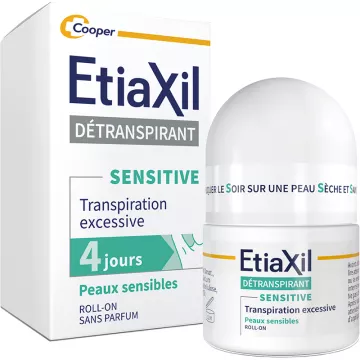
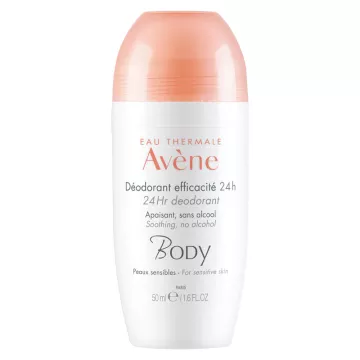
- Sensitive skin: formulas that are alcohol-free, free of heavy fragrances, free of aluminum salts, and contain soothing ingredients (allantoin, glycerin).
- Heavy sweating: antiperspirants with a higher aluminum salt content, as recommended by a pharmacist.
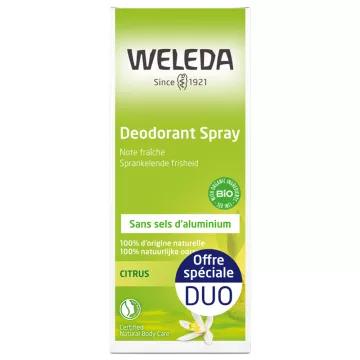
- Natural approach: deodorants made with plant-based oils (coconut oil), baking soda (use with caution due to its alkaline pH), or mineral ingredients (alum stone, which, however, also contains aluminum in its natural form).
- Form (stick, roll-on, spray, cream): depending on preference, keeping in mind that sprays expose you to inhaled particles; sticks and roll-ons allow for more targeted application.
Does underarm sweating serve a purpose?
Yes, sweating is a physiological mechanism essential for thermoregulation. Two types of glands are involved in the underarms:
- Eccrine glands, which produce a watery sweat involved in cooling the body through evaporation.
- Apocrine glands, found in hairy areas (underarms, pubic region), which secrete a fluid richer in proteins and lipids. This secretion, broken down by skin bacteria, is the source of body odor.
Sweating also helps eliminate certain metabolites in limited quantities. It should therefore not be prevented but managed for comfort.
Should you change deodorants regularly?
It is not necessary to change deodorants regularly as long as the one you’re using is suitable and well-tolerated. There are a few situations that may warrant a change: the onset of sensitivity or irritation, a change in season or level of physical activity (a more effective product for summer or intense physical activity), or a change in your skincare routine. Using deodorant on damaged skin (immediately after hair removal, minor razor cuts, eczema) may cause temporary tingling: wait until the skin has healed before applying it.
What are some natural remedies for underarm odor?
Several natural approaches are traditionally recommended:
- Baking soda is known to neutralize odors: use with caution, as its alkaline pH (~9) can irritate the delicate skin of the underarms with repeated use. Test on a small area first.
- Coconut oil is valued for its pleasant texture and emollient properties; it is sometimes combined with a few well-diluted drops of essential oil (tea tree, true lavender).
- Alum stone (natural potassium aluminum sulfate) is traditionally used; apply it to damp skin. Note that it also contains aluminum.
Precautions for essential oils: not recommended during pregnancy or while breastfeeding, for children under 7 years of age, and must always be diluted in a vegetable oil. Perform a patch test on the inner elbow 24 to 48 hours before regular use. In the event of a severe allergic reaction (swelling of the face, difficulty breathing suggestive of angioedema), call 15 or 112.