What is an ingrown hair, and how does it form?
An ingrown hair occurs when the hair, instead of emerging freely through the pore, curls back under the stratum corneum or grows sideways into the superficial dermis. The follicle reacts with a small, localized inflammation, resulting in a red papule—sometimes pustular and often tender. This phenomenon particularly affects curly or thick hairs, whose natural growth pattern makes them more likely to grow back into the skin. The areas most at risk are those that are regularly shaved or waxed: the face and nape of the neck in men (pseudo-folliculitis of the beard), legs, armpits, bikini line, and areas subject to friction from clothing.
What are the main causes of ingrown hairs?
Several factors contribute to the development of ingrown hairs:
- Shaving too closely, using a dull blade, shaving against the grain, or making multiple passes over the same area: these cut the hair at an angle, causing it to grow back under the skin.
- Waxing or tweezing: sometimes breaks the hair off under the skin or alters the direction of regrowth.
- Repeated friction: tight clothing, synthetic underwear, intense exercise, straps.
- Hyperkeratosis: thickening of the stratum corneum that blocks the follicle opening.
- Dry or dehydratedskin: a stiffer stratum corneum that hinders hair emergence.
- Hair type (curly, thick, dark): an intrinsic factor that cannot be changed.
How can you prevent ingrown hairs?
A regular routine reduces their frequency:
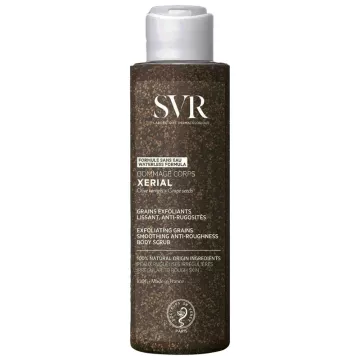
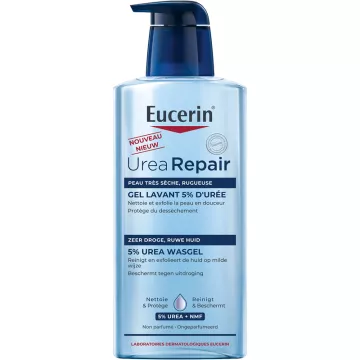
- Gentle exfoliation 1 to 2 times a week: a soft washcloth, a fine-grained scrub, or exfoliating products containing glycolic acid (AHA) orsalicylic acid (BHA) at cosmetic concentrations. Note: AHAs and BHAs are photosensitizing; apply SPF on the following days.
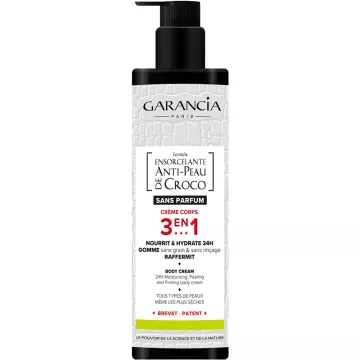
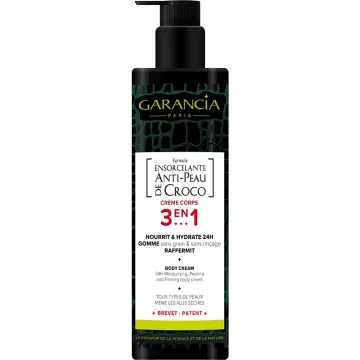
- Daily moisturizing: supple skin helps hair emerge more easily. Apply emollient creams after showering and after each hair removal session.
- Proper shaving technique: a clean, sharp blade; a moisturizing shaving gel or foam; shaving in the direction of hair growth; rinsing with lukewarm water; and applying a soothing after-shave treatment.
- Wear loose-fitting, breathableclothing, especially after hair removal.
- Space out or alternate hair removal methods for highly sensitive areas.
What treatments are available for ingrown hairs?
Several options can help free the hair and soothe the skin:
- Topical treatments containing salicylic acid or glycolic acid at cosmetic concentrations: help loosen the dead skin cells that trap the hair.
- Cosmetic retinol: may support superficial skin renewal. Cosmetic retinol available over the counter should be distinguished from medical retinoids (tretinoin, adapalene), which are prescription medications contraindicated during pregnancy due to their teratogenicity (particularly the oral form) and requiring medical supervision.
- Applya warm compress for 5 to 10 minutes: this softens the stratum corneum and may facilitate the natural release of the hair.
- Gently extract the hair only if it is visible just beneath the skin: disinfect the skin, use sterilized tweezers, and avoid scratching or piercing the skin. Avoid this procedure entirely if the area is already inflamed or painful.
- Follow witha soothing treatment (panthenol B5, allantoin,aloe vera gel).
- In case of secondary infection (widespread redness, pain, pus), a mild skin antiseptic may be used, and a doctor’s visit is necessary if the condition does not improve within a few days.
What are the risks associated with ingrown hairs?
If left untreated or treated aggressively, ingrown hairs can lead to:
- Bacterialfolliculitis (often caused by Staphylococcus aureus).
- A localized skinabscess.
- Post-inflammatory hyperpigmentation (darkening of the skin), particularly noticeable in skin types IV through VI.
- Permanentscarring, sometimes keloids in predisposed skin types.
- Chronicpseudo-folliculitis barbae: common in men with curly hair; may warrant a dermatological evaluation.
How can you tell the difference between an ingrown hair and a pimple?
An ingrown hair can often be distinguished from an acne pimple by several characteristics:
- Visible presence of a curly hair beneath the skin (visible under a magnifying glass or when held up to the light).
- Appears in an area that has recently been shaved or waxed.
- Itching and localized pain.
- An isolated lesion, without the characteristic pattern of acne (presence of open and closed comedones, multiple areas on the face and trunk).
If in doubt, or if multiple lesions persist and worsen, consulting a dermatologist will allow for an accurate diagnosis (acne, folliculitis, other skin conditions).
What symptoms should prompt a visit to the doctor?
A medical consultation is recommended if:
- The lesion is very painful, widespread, and warm to the touch.
- Redness spreads around the affected area.
- There is pus, a swollen lymph node, or a fever.
- Frequent recurrence in the same spot (suggesting dermatological care).
- A prominent, hyperpigmented, or keloid scar develops.
- Progression in a person with diabetes, a compromised immune system, on anticoagulant therapy, or with impaired wound healing.
A fever accompanied by a deteriorated general condition requires prompt medical attention (risk of infection should be assessed).
What are some home remedies for ingrown hairs?
For mild ingrown hairs with no signs of secondary infection, several simple steps can help:
- Applya warm compress for 5 to 10 minutes, several times a day, to soften the stratum corneum.
- Tea tree essential oil diluted to approximately 1% in a vegetable oil, for its traditional purifying effect. Test on the inner elbow 24 to 48 hours beforehand. Standard precautions: pregnancy, breastfeeding, children under 7 years of age, and broken skin.
- Pure aloe vera gel, which is soothing and well-tolerated by most skin types.
- Moisturize regularly with a cream or body lotion suitable for sensitive skin.
If no improvement is seen within a few days, or if the condition worsens, consult a pharmacist or doctor.
What professional treatment options are available?
For chronic or recurrent cases, several medical or cosmetic solutions are available:
- Laser hair removal or intense pulsed light (IPL) at a medical office: gradually reduces hair growth and thus the risk of ingrown hairs. Specific guidelines depend on skin type and hair color; precautions are needed for darker skin tones (risk of hyperpigmentation or burns).
- Superficial chemical peels using glycolic acid or salicylic acid performed in a clinic, which exfoliate more deeply.
- Prescription topical retinoids (adapalene, tretinoin): prescribed by a dermatologist, requires monitoring, significant photosensitivity, contraindicated during pregnancy.
- Topical or oral antibiotic therapy in cases of confirmed secondary infection, as determined by a healthcare provider.
- Occasional use oftopical antiseptics, as advised by a pharmacist.
None of these options should be self-prescribed: a dermatological evaluation will help determine the most appropriate treatment strategy.
Can ingrown hairs be completely prevented?
It is rarely possibleto completely eliminate the risk, particularly in cases of predisposed skin and hair types. However, following a few guidelines can significantly reduce their frequency:
- Choose the hair removal method that works best for you.
- Avoid shaving too frequently or alternate between different methods.
- Opt for loose-fitting, breathable clothing, especially after hair removal.
- Maintain a routine of gentle exfoliation and regularmoisturizing.
- Treat any micro-injuries immediately to prevent secondary infection.
- Consult a dermatologist about long-term hair reduction (laser, IPL) if episodes are very frequent and debilitating.