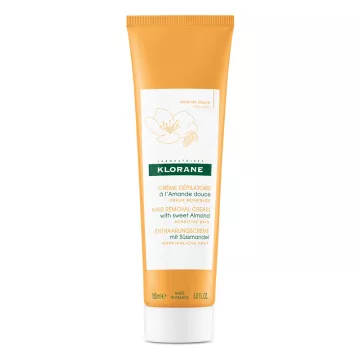
Hair removal refers to all techniques designed to remove hair either permanently or temporarily. Methods vary in how they work, how long the results last, how comfortable they are, and how much they cost. The choice depends as much on individual preferences as on the area being treated.
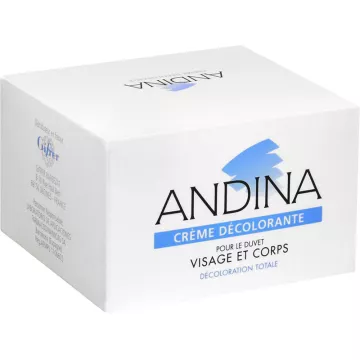
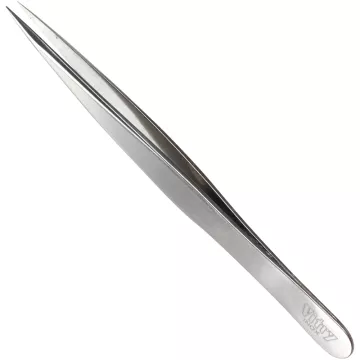
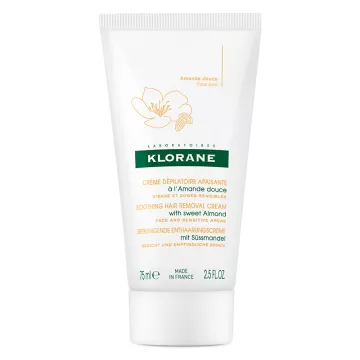
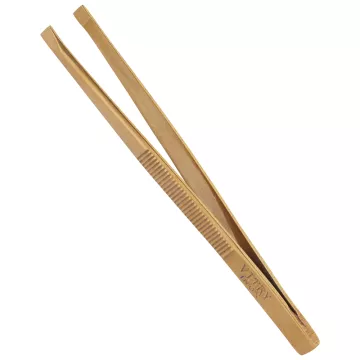
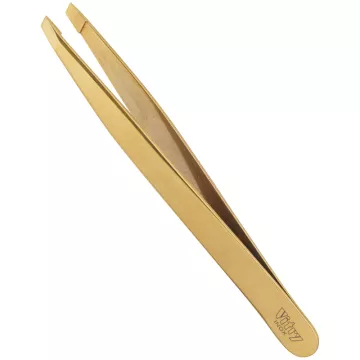
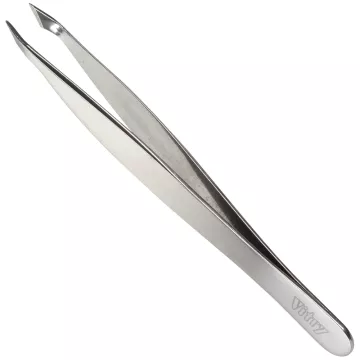
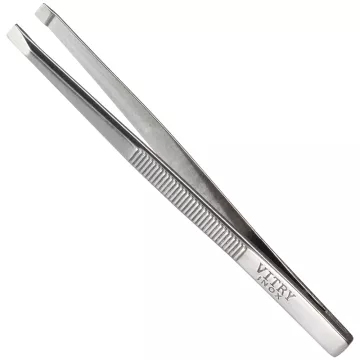
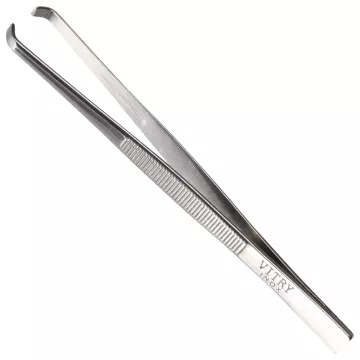
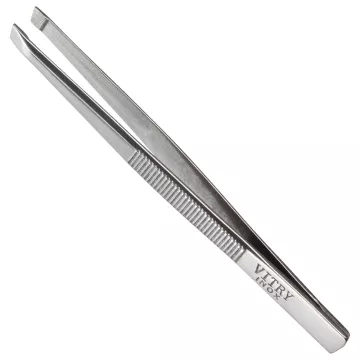
The main techniques available include: hot, warm, or coldwaxing, which removes hair at the root with results lasting three to six weeks;laser or intense pulsed light (IPL)hair removal, a long-term method that targets hair follicles and gradually reduces hair density over the course of multiple sessions;electrolysis, which removes hair one by one by destroying the follicle—the only method medically recognized as permanent; depilatory creams, which chemically dissolve the keratin in the hair at the skin’s surface; shaving, a quick but temporary method; and tweezers, reserved for precise touch-ups on small areas, available in the tweezers category.
The choice of a method should take into account skin type, individual sensitivity, the area to be treated, skin tone, hair color, and desired frequency. No single method is suitable for everyone.
For sensitive skin, depilatory creams may be suitable after a tolerance test; professional laser hair removal remains an option with appropriate medical supervision. For darker skin tones, certain laser technologies (notably Nd:YAG) are safer than traditional pulsed light in terms of pigmentation risk. Waxing is effective on most areas of the body but can be more painful on very delicate areas (face, full bikini line).Electrolysis remains the gold standard for permanent results and for treating white or very light hair, on which laser treatment is ineffective. A dermatologist’s consultation is recommended if you have a history of skin conditions (acne, eczema, vitiligo, pigmentation disorders) or to assess the suitability of a medical treatment method.
Laser hair removal is one of the most popular methods due to its long-lasting results. However, it involves strict protocol requirements and several limitations that should be understood.
Its advantages include a significant and lasting reduction in hair density over the course of multiple sessions, relatively precise targeting of hair follicles without damaging the surrounding skin when the device is properly calibrated, and applicability to many areas of the body. Its disadvantages include a higher initial cost, the need for several sessions spaced apart (usually 6 to 10 sessions) to achieve results, strict contraindications (pregnancy, certain photosensitizing medications, tanned skin, certain dermatological conditions), limited effectiveness on white, light-colored, or red hair due to the lack of melanin pigment to target, and a risk of temporary skin reactions (redness, sensitivity, rare burns). In France, permanent laser hair removal is regulated and must be performed by a physician (Article R.4127-70 of the Public Health Code).
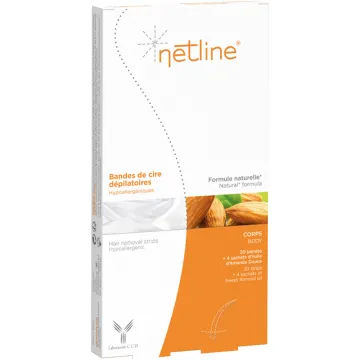
The results ofwaxing last an average of three to six weeks, depending on the growth cycle specific to each area of the body and on individual hormonal factors. Regular treatments help reduce hair growth over the course of several sessions.
To maximize the results, gently exfoliate the skin 24 to 48 hours before the session using a mild exfoliant to free any ingrown or covered hairs. After the session, avoid direct sun exposure for 24 to 48 hours, as well as very hot baths, saunas, steam rooms, and perfumed or alcohol-based cosmetic products on the freshly waxed area. Opt for gentle, soothing, and moisturizing skincare products in the days following the treatment. Strict sun protection is recommended if the treated area is exposed to the sun to minimize the risk of post-inflammatory hyperpigmentation.
The perception of pain varies widely depending on the method, the area, individual pain tolerance, and the stage of the hormonal cycle. There are several practical ways to reduce discomfort.
Generally speaking,electrolysis and waxing are perceived as the most painful; laser hair removal varies depending on the technology (newer devices with built-in cooling systems significantly improve comfort); and shaving or depilatory creams are painless when well tolerated. To minimize pain: avoid hair removal just before your period (when hormonal sensitivity is at its peak), take a deep breath before each hair removal, choose an experienced professional, ask for advice on the possible use of an over-the-counter numbing cream (5% lidocaine patch or cream, available by prescription in France) to be applied about an hour before the session, or opt for laser technologies with cooling. For particularly sensitive skin, a gradual approach is recommended, followed by the application of a soothing treatment immediately afterward.
The recommended frequency for waxing depends on the rate of hair regrowth, which varies depending on the body area, age, hormonal balance, and the regularity of previous sessions. A consistent schedule improves the experience over time.
The typical frequency is between three and six weeks—the time needed for hair to reach a length of about 5 mm (a quarter of an inch), which is essential for the wax to grip effectively. Preparing the skin is essential: the skin should be clean, dry, and free of cream, oil, or fragrance; gently exfoliate the day before the session to minimize ingrown hairs; avoid tanning or exposing the area to irritating products within 24 hours before the session. With regular, well-spaced sessions, regrowth gradually becomes finer and sparser.
Post-laser hair removal care determines the quality of the results and prevents skin complications. The days following a session require special attention.
Moisturizing with a suitable, fragrance-free, soothing cream (aloe vera, panthenol) calms the skin and supports its recovery. Broad-spectrum sunscreen with a high SPF (50+) is essential on the treated area for at least four to six weeks to preventpost-inflammatory hyperpigmentation, which can occur in medium and dark skin types. The full selection is available in the sunscreen category. Avoid heat for 24 to 48 hours after the session: saunas, steam rooms, very hot baths, intense exercise, and direct sun exposure. Do not exfoliate or remove hair with tweezers or wax on the treated area until the next session. Shaving is permitted between sessions. Notify your doctor immediately of any severe redness, persistent pain, or the appearance of blisters.
Electrolysis offers permanent results but carries specific risks that you should be aware of before proceeding. Choosing a certified practitioner is crucial.
The main risks include significant discomfort during the session (each hair is treated individually with a fine needle connected to an electric current); a risk of infection if equipment is not sterilized, which is why it’s important to choose a licensed professional who uses single-use needles; a risk ofpost-inflammatory hyperpigmentation, particularly in people with darker skin tones; and rare pinpoint scars if the session is performed improperly. To minimize these risks, verify the practitioner’s certification and the compliance of their practice, ask to see the single-use needles, disclose any history of skin conditions or medications you are taking, and strictly follow the post-treatment instructions. A temporary“razor burn”-like sensation may occur and will subside with appropriate care.
Waxing can be performed on most areas of the body, provided you choose the right wax and technique for each area. Certain precautions apply to the most sensitive areas.
Areas commonly treated with wax include the legs, arms, back, chest, bikini line, underarms, upper lip, and chin. Body waxes (hot or warm) are more robust; waxes for the face and intimate areas are specifically formulated for thinner skin, with a lower melting point and suitable resins. For very sensitive areas (full bikini line, underarms, face), opt for lukewarm wax or oriental wax (sugar-based), which adheres less to the skin. Common contraindications: damaged skin, open wounds, recent sunburn, prominent varicose veins, or use of certain medications (retinoids, topical corticosteroids, anticoagulants). Consult a professional before your first session.
Hair removal creams are suitable for many skin types, but they are not suitable for everyone. Their chemical action requires strict precautions.
A patch test is essential before first use: apply a small amount of product to a discreet area (inner arm, behind the knee), wait 24 hours, and check for any redness, itching, or rash. Strictly follow the application time specified by the manufacturer (usually 5 to 10 minutes): leaving it on longer than recommended can lead to chemical burns that may leave permanent marks. Do not apply to broken or irritated skin, after intense sun exposure, or immediately after shaving. Creams designed for the face or intimate areas are specifically formulated and are not substitutes for body creams. If you have any doubts about tolerance or if you have particularly sensitive skin, the sensitive skin collection offers suitable products to incorporate into your routine. Any persistent unusual reaction warrants a medical consultation.