What is a healthy mouth, and what are its indicators?
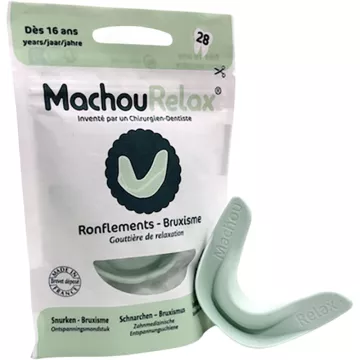
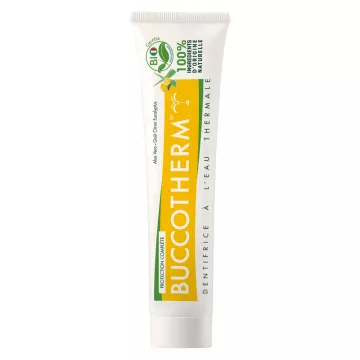
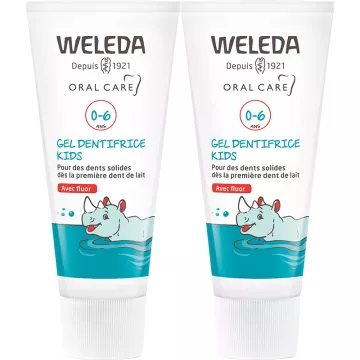
A healthy mouth is characterized by pink, firm gums that do not bleed, intact enamel without stains or sensitivity, neutral breath, and smooth oral mucosa without lesions. These indicators of oral health depend directly on consistent daily oral care and regular professional checkups. Dental plaque—a bacterial biofilm that reforms within 24 to 48 hours—is the common cause of mostoral diseases: cavities, gingivitis, and periodontitis.Oral care products to maintain a healthy mouth are available in the store.
- Brush twice a day: brushing in the evening before bed is the most critical—saliva is virtually absent at night, and bacteria proliferate freely without protection — at least 2 minutes — Bass technique (45° toward the gum line, small vibrating motions) — all surfaces (outer, inner, chewing surfaces, tongue)
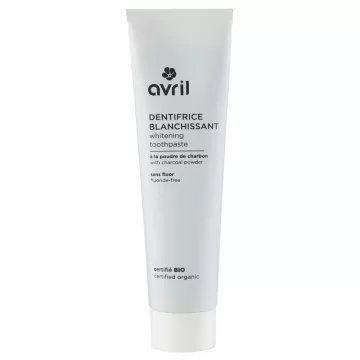
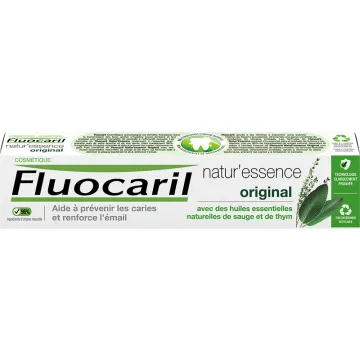
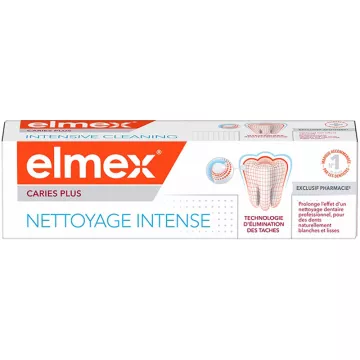
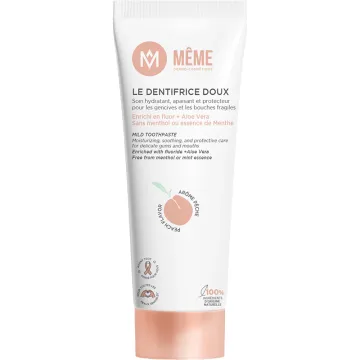
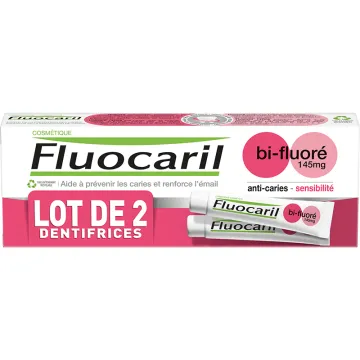
- Fluoride—the key active ingredient: 1,450 ppm for adults—forms fluorapatite in the enamel, which is 30% more acid-resistant than natural hydroxyapatite — do not rinse with water after brushing (removes 80% of the protective residual fluoride) — “Natural” or “whitening” toothpastes are often underdosed — check the concentration on the tube
- Warning signs you should never ignore: bleeding gums when brushing (never normal—an early sign of gingivitis), persistent bad breath, increasing tooth sensitivity, receding gums, loose teeth
- Diet and Oral Health: Every sugary or acidic snack causes the oral pH to drop below 5.5 for 20 to 30 minutes — snacking keeps this pH level low at all times — crunchy fruits and vegetables stimulate saliva production — dairy products alkalize the pH and provide remineralizing calcium and phosphorus
Manual or electric toothbrush: which one should you choose for a truly healthy mouth?
Both types of toothbrushes provide effective cleaning—as long as you use the right technique. The difference is clinically documented: the oscillating-rotating electric toothbrush reduces plaque by 21% and gum bleeding by an additional 11% compared to a manual toothbrush (Cochrane meta-analyses 2014 and 2019). It is particularly recommended for people with reduced dexterity, those wearing orthodontic appliances, and periodontal patients—the brush head does the work without relying on the patient’s technique.
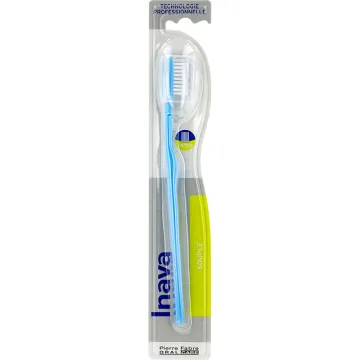
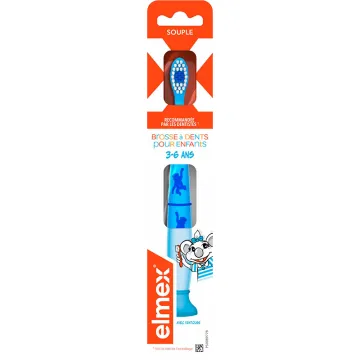
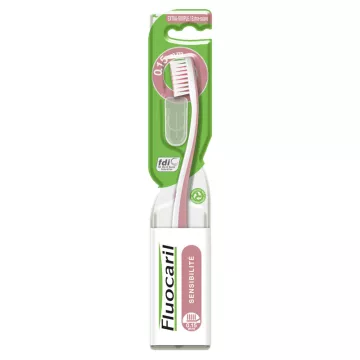
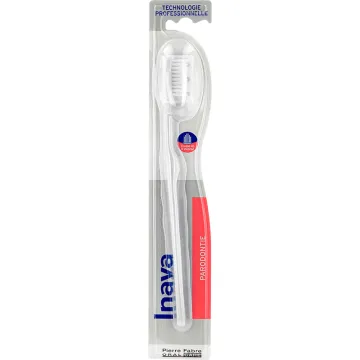
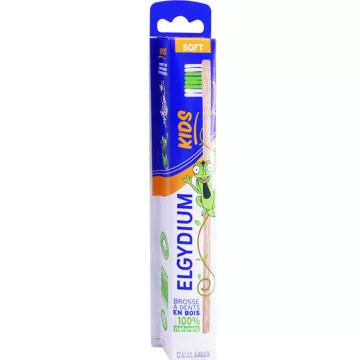
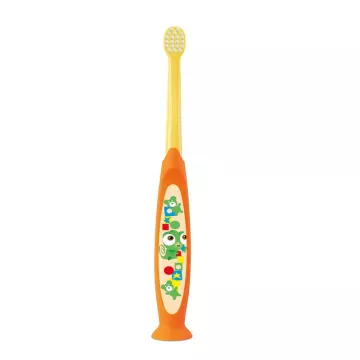
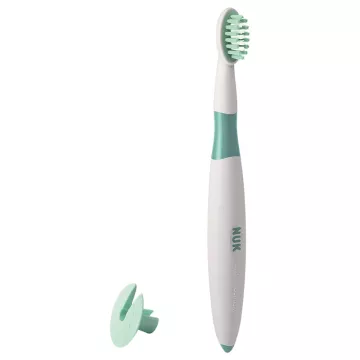
- Manual toothbrush: less expensive, easy to carry, widely available—effective if the Bass technique is mastered—soft bristles are required (hard bristles abrade enamel and damage the gums) — small brush head for reaching the molars — replace every 3 months or as soon as the bristles splay
- Electric toothbrush: oscillating-rotating (Oral-B type) or sonic (Philips Sonicare type) — models with pressure sensors prevent harmful brushing — built-in timer ensures 2 minutes of brushing — brush head should also be replaced every 3 months — a real benefit for the elderly and children (improved brushing compliance)
- After an illness: Replace the toothbrush after any infectious episode (strep throat, flu)—bacteria or viruses can colonize the bristles and promote reinfection—a simple and inexpensive rule that is often overlooked
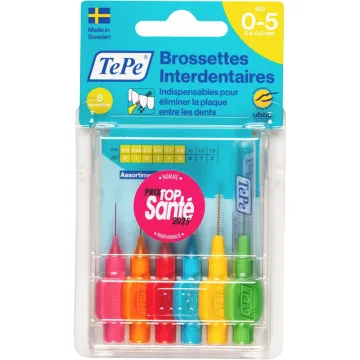
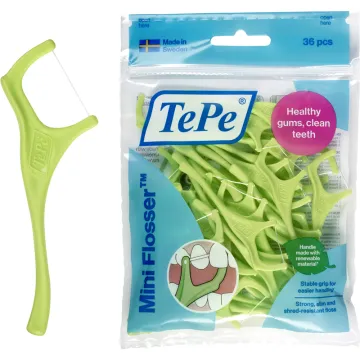
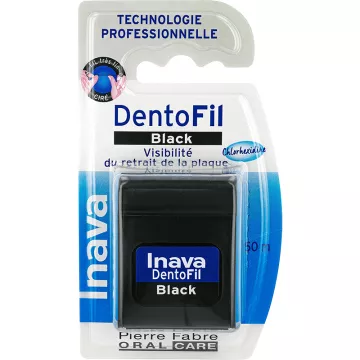
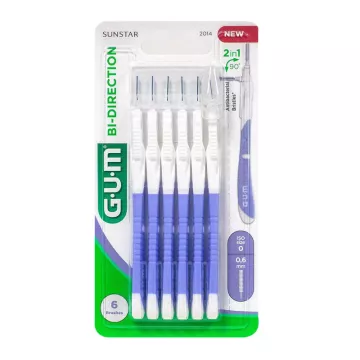
- Supplement withinterdental hygiene (floss or interdental brushes, once a day in the evening) and, if necessary, a water flosser for hard-to-reach areas
Special circumstances: pregnancy, hydration, and dental sealants
Pregnancy significantly alters the oral environment. Increased levels of estrogen and progesterone exacerbate the gingival inflammatory response to plaque: 35 to 70% of pregnant women develop pregnancy gingivitis, which resolves after childbirth with rigorous oral hygiene. Nausea and vomiting during the first trimester expose the teeth to gastric hydrochloric acid (pH 1–2)—do not brush immediately afterward (enamel is temporarily softened)—rinse with water or diluted baking soda, then wait 30 minutes. A pyogenic granuloma (a benign gum nodule) may appear—it usually resolves on its own after childbirth without treatment.
- Hydration and saliva: Saliva is the mouth’s primary natural defense mechanism—it supplies oxygen, neutralizes acids, remineralizes enamel, and inhibits anaerobic bacteria—drinking 1.5 to 2 L of water per day maintains saliva flow — Chewing sugar-free xylitol gum after meals stimulates salivation and directly inhibits S. mutans — Medications that reduce saliva (antihistamines, antidepressants) require increased vigilance
- Dental sealants: resin poured into the deep grooves of molars — physically protects areas at very high risk for cavities (fissures that are difficult to brush) — recommended for children and adolescents, as well as for high-risk adults — a quick and painless procedure — protection lasting several years, depending on wear — an effective complement to fluoride for cavity prevention
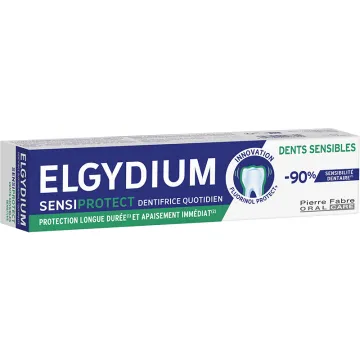
- Treatments for tooth sensitivity: 5% potassium nitrate (depolarizes the dentin nerve fibers) — strontium chloride or arginine (mechanically blocks the tubules) — professional fluoride varnishes (22,600 ppm) — laser treatment (sealing of the tubules) — restoration if the enamel is too damaged — consult a dentist to identify the cause before treating