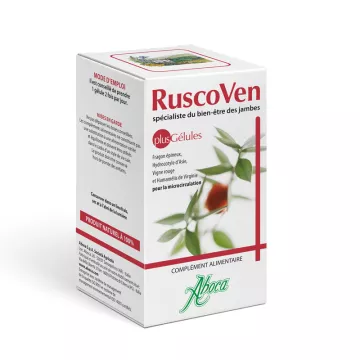
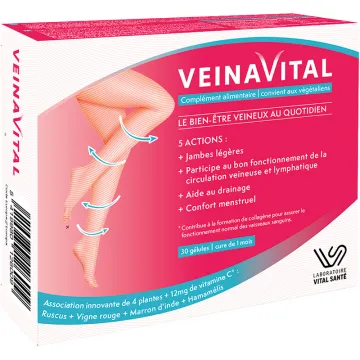
Why do we get tired legs, and what causes this?
Tired legs are one of the most common symptoms of chronic venous insufficiency and venous stasis in the lower limbs. They result from inadequate venous return—blood pools in the veins of the legs instead of flowing efficiently back to the heart. Products for heavy and tired legs are available in the “heavy legs ” and “venous circulation ” sections of the store.
- Main causes: a sedentary lifestyle and prolonged standing or sitting (inactive calf muscle pump) — heat and sun exposure (venous vasodilation) — late pregnancy (venous compression + vasorelaxing progesterone) — being overweight (abdominal venous hypertension) — chronic venous insufficiency (CVI) with valvular reflux — certain medications (vasodilators, oral contraceptives)
- Clinical distinction: tired legs (transient functional symptom, normal variations at the end of the day or after prolonged standing) vs. chronic heavy legs (sign of confirmed CVI)—both may coexist
- Common symptoms: sensation of heaviness and weight at the end of the day — nighttime cramps — tingling or pins-and-needles sensations — swollen ankles — fatigue that resolves when the legs are elevated or while walking
- See a doctor if: sudden unilateral swelling (suspected phlebitis) — acute calf pain associated with redness and warmth — changes in skin color (ochre dermatitis, ulcer) — symptoms persist despite lifestyle and dietary changes
What daily habits can help relieve tired legs?
- Physical activity: Walk at least 30 minutes a day (activates the calf’s muscle pump—more effective than any other measure) — swimming (beneficial hydrostatic pressure + muscle activity) — cycling — ankle flexion-extension exercises (10 repetitions × 3 sets, every 2 hours while seated)
- Leg elevation: Elevate the legs above heart level (15 to 20 minutes, 2 to 3 times a day) — facilitates venous drainage by gravity — sleep with the head of the bed slightly elevated if experiencing nocturnal CVI
- Compression stockings and socks: Class 1 (15–20 mmHg — prevention, travel, prolonged standing) — Class 2–3 by doctor’s prescription (confirmed CVI) — put on in the morning before getting out of bed, remove in the evening — see venous circulation
- Hydration: 1.5 to 2 L of water per day — maintains blood fluidity — particularly important in hot weather and while traveling
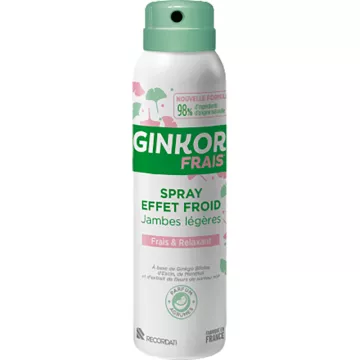
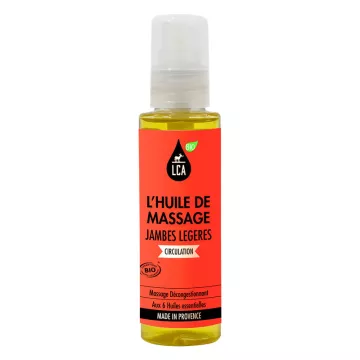
- Massage and topical treatments: Light, upward strokes with a vein-toning gel or cream — menthol or witch hazel gels applied cold (immediate vasoconstrictive effect) — manual lymphatic drainage (physical therapist)
What supplements and herbs can help relieve tired legs?
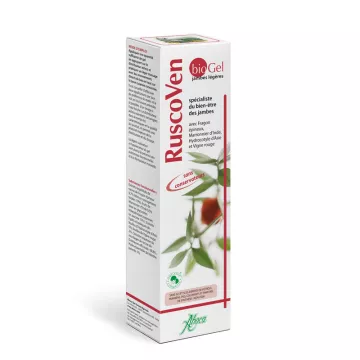
- Escin (horse chestnut): venotonic and anti-edematous—reduces capillary permeability and improves venous tone—well-established EMA for chronic venous insufficiency—as a topical gel (morning and evening) or in capsules (250–500 mg/day of standardized extract) — Contraindicated with anticoagulants
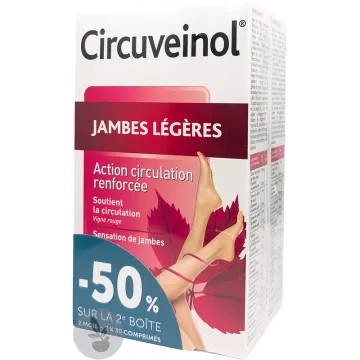
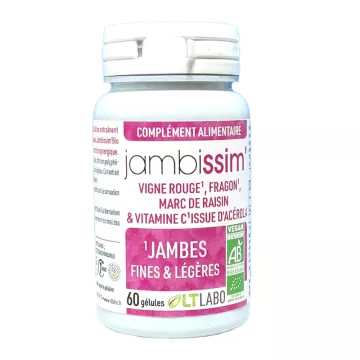
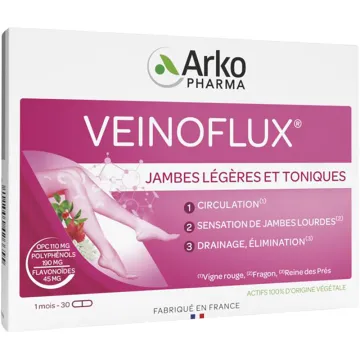
- Red vine: vasoprotective OPCs — strengthens vein walls — well-established EMA — relief from heavy legs
- Bioflavonoids (diosmin, hesperidin): reduction of capillary hyperpermeability — robust clinical data in chronic venous insufficiency — reduce heaviness and edema
- Vein-protective diet: Vitamin C (citrus fruits, bell peppers, kiwi — promotes vascular collagen synthesis) — flavonoids (berries, blueberries, blackcurrants) — omega-3 (fatty fish — vascular anti-inflammatories) — reduced salt intake (< 5 g/day — limits water retention, which aggravates venous stasis)
- See also heavy legs andimproving circulation