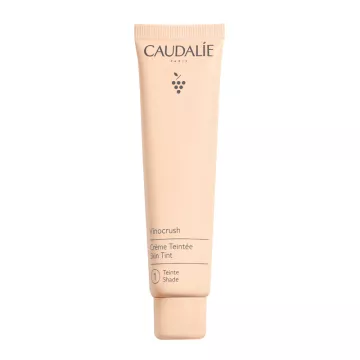
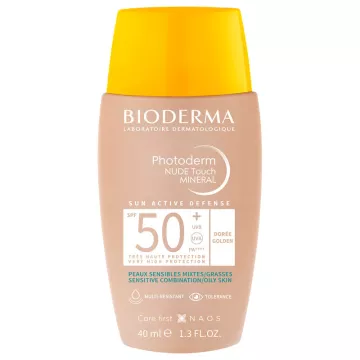
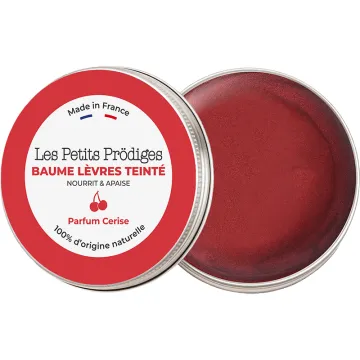
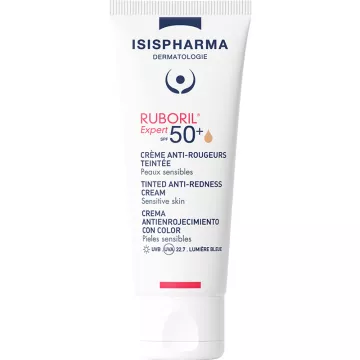
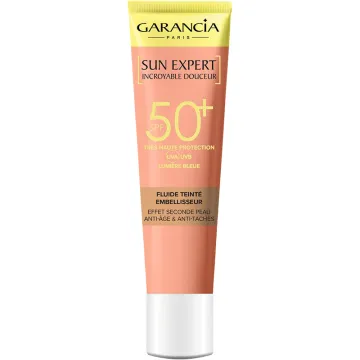
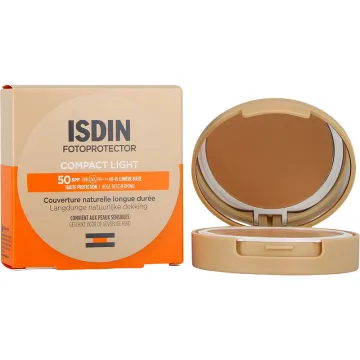
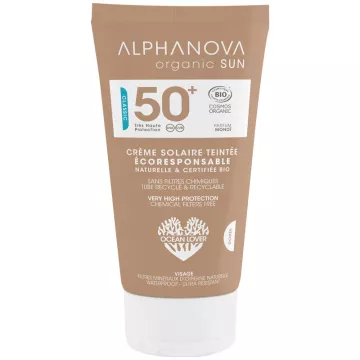
Which skin types benefit most from tinted skincare?
Tinted moisturizers are particularly well-suited for people with dry or sensitive skin, thanks to their moisturizing formulas and simplified ingredients.
With today’s wide variety of formulas, even those with combination or acne-prone skin can find suitable tinted moisturizers, formulated with shine-controlling active ingredients and certified non-comedogenic.
Dull or tired skin also benefits from the immediate “healthy glow” these formulas provide.
For reactive or allergic skin, active rosacea, or active dermatitis, a dermatologist’s advice is recommended before introducing a new tinted skincare product.
Can tinted skincare be used with other skincare products?
A tinted skincare product fits naturally into a multi-product routine:
- Gentle cleansing and toning.
- Targeted serum (hydrating, anti-aging, brightening) as needed.
- A moisturizer suited to your skin type.
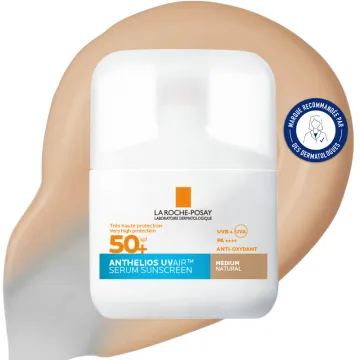
- Sunscreen with SPF 30 or higher during the day.
- Tinted moisturizer as the final step to even out the complexion.
Allow each product to absorb for 1 to 2 minutes before applying the next one to optimizeabsorption and the final result.
Are there any organic or natural tinted moisturizers?
The market now offers a wide range of organic and natural tinted moisturizers.
These formulas prioritize plant-based active ingredients, minerals, and preservatives approved for use in organic cosmetics. They are often favored by users seeking formulas with simplified ingredients and traceable origins.
Several certifications govern these products:
- Ecocert COSMOS Natural and COSMOS Organic: European standards governing the percentage of natural and organic ingredients.
- Cosmébio: a French certification for organic cosmetics.
- Nature & Progrès: additional requirements (essential oils, organic farming).
“Natural” is not synonymous with “hypoallergenic”: certain plant-based ingredients (citrus essential oils, latex, propolis) can be allergenic.
Tinted skincare as part of a complete makeup routine?
Incorporating tinted skincare significantly simplifies your makeup routine:
- Skin preparation: cleansing, serum, moisturizer, sunscreen.
- Tinted moisturizer as a base, applied evenly with your fingers, a sponge, or a brush.
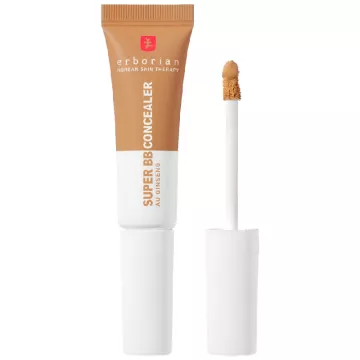
- Concealer on areas requiring more coverage (dark circles, redness, blemishes).
- Blush and highlighter to contour the face.
- Light setting powder for long-lasting wear (optional).
- Mascara, eyeliner, and lipstick, depending on the occasion.
Tinted moisturizer provides a natural base, ideal for light, everyday makeup.
How can you care for your skin while using a tinted moisturizer regularly?
Regular use of a tinted moisturizer does not replace thorough makeup removal and cleansing.
Some best practices:
- Alwaysremove makeup in the evening with a suitable product (oil, balm, micellar water) to eliminate makeup, sebum, and pollution.
- Follow up witha gentle cleanser to complete the process (double cleansing method).
- Exfoliate moderately 1 to 2 times a week (using a gentle enzymatic exfoliant or a low-concentration AHA) to support skin renewal.
- A morning and eveningmoisturizing routine tailored to your skin type.
- Clean your beauty tools (sponges, brushes) regularly to minimize bacterial contamination.
These steps support skin comfort and help prevent breakouts.
What is a tinted moisturizer?
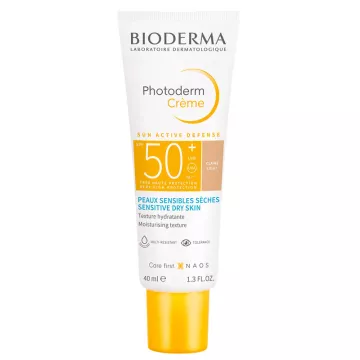
A tinted moisturizer is a hybrid product that combines the benefits of a skincare product (hydration, support for skin comfort) with those of a lightweight makeup product (color, even tone).
Unlike traditional foundation, tinted moisturizer provides light to buildable coverage and is primarily designed to support hydration and provide a subtle tint to even out the complexion.
Ideal for those who prefer a natural finish, tinted moisturizer is often formulated with recognized cosmetic active ingredients: vitamins (B5, C, E), antioxidants, hyaluronic acid, glycerin, and sometimes sunscreen filters.
Why choose a tinted moisturizer over foundation?
Tinted moisturizer offers several distinct advantages:
- Lightweight, comfortable texture: a “second-skin” feel without a mask-like effect.
- Formulas enriched with moisturizing and soothingactive ingredients: ideal for sensitive or dry skin.
- Simplified routine: skincare and color in a single step.
- Natural finish: a “healthy glow” without looking like you’re wearing makeup.
- Wide compatibility: suitable for most skin types, from everyday use to special occasions.
For maximum coverage (prominent blemishes, widespread redness, scars), a traditional foundation or targeted concealer remains more effective.
What are the key ingredients to look for in a tinted moisturizer?
Several ingredients characterize a good tinted moisturizer:
- Hyaluronic acid: a key humectant that provides sustained hydration.
- Glycerin, panthenol (vitamin B5): complementary moisturizers that are well-tolerated.
- Vitamin C, vitamin E: antioxidants that combat free radicals.
- Niacinamide: soothes and visibly reduces redness.
- Broad-spectrum UVA + UVBsun filters for additional sun protection.
- Mineral pigments (iron oxides, non-nano titanium dioxide) for color.
The presence of an SPF in a tinted skincare product does **not** replace the need for a dedicated sunscreen during prolonged sun exposure: the amount of tinted skincare applied (generally 1/4 to 1/2 of the actual dose) is too small to provide the advertised protection. For normal sun exposure, layer it with a dedicated sunscreen.
How do you apply a tinted moisturizer for optimal results?
Optimal application of a tinted moisturizer follows a few principles:
- Preparation: Cleanse and moisturize your skin, and ideally apply a sunscreen with an SPF of at least 30.
- Amount: Start with a small amount (about the size of a hazelnut for the face), and add more if needed.
- Tools: fingers (natural warmth for optimal blending), a damp sponge (for a natural finish), or a brush (for more coverage).
- Technique: Apply from the center of the face outward, blending well along the jawline, neck, and ears.
- Layering: For more coverage, add a second thin, targeted layer rather than a thick one.
- Setting: Lightweight powder (loose or compact) for combination/oily skin or a long day.
How to choose the right shade of tinted moisturizer?
Choosing the right shade is essential for a natural finish:
- Test on your jawline or lower face (never on your wrist): the shade should blend invisibly with your skin at rest.
- Undertones: Identify whether your undertone is warm (golden-yellow), neutral, or cool (pinkish-bluish) by looking at the veins on your wrist.
- Preferably usenatural light for the test, near a window.
- Seasonal variations: Skin lightens in winter and darkens in summer—you may want to have two shades on hand to adapt.
- Extensive range: Choose brands that offer a wide color selection (ideally with clearly identified undertones).
Many brands now offer digital tools (shade matching, samples) to make it easier to choose from a distance.
How can you recognize a high-quality tinted skincare brand?
To choose a high-quality tinted skincare brand, consider several objective criteria:
- Transparent formulation: a complete, easy-to-read INCI list, with recognized active ingredients listed near the top.
- Extensive shade range: a widecolor palette covering fair, medium, and dark skin tones, with a variety of undertones.
- Recognizedcertifications if you prefer organic products: Ecocert, COSMOS, Cosmébio.
- Mention ofclinical studies or dermatologically tested products.
- The labels “non-comedogenic” and “dermatologically tested” for blemish-prone skin.
- Allergens: the presence of the 26 EU-mandated allergens is clearly indicated in the INCI list.
- Commitments: Compliance with European Regulation (EC) 1223/2009, traceability of raw materials, recyclable packaging.
Beyond brand reputation,suitability for yourskin type and personal needs remains the most important factor.