What Is Stomach Pain, and How Can You Pinpoint Its Location?
Stomach pain (or abdominal pain) covers a very broad spectrum—from mild functional discomfort to a surgical emergency. The location of the pain is the first clue for diagnosis. Our range of pain relief medications and our digestive comfort page offer tailored solutions.
- Epigastrium (upper center): stomach, ulcer, reflux, gastritis, pancreatitis—see our page on stomachaches
- Right flank / RIF (right iliac fossa): appendicitis (pain radiating to the RIF), hepatic colic (gallstones)
- Left flank / LIF (left iliac fossa): sigmoid colon (diverticulitis), left colon (IBS with left-sided predominance)
- Diffuse (entire abdomen): IBS, gastroenteritis, bloating, constipation, food intolerances
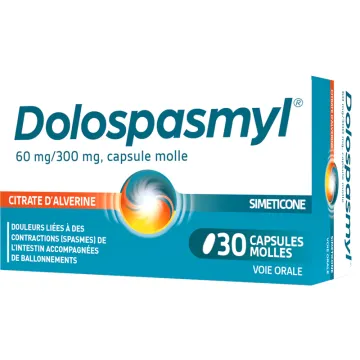
- Periumbilical pain: appendicitis in the early stages (then migrating to the right iliac fossa), small intestine—see our page on digestive spasms
Common causes of abdominal pain and warning signs
- IBS (Irritable Bowel Syndrome): chronic diffuse pain related to bowel movements, relieved by a bowel movement — Rome IV criteria — FODMAPs + probiotics + stress management as first-line treatment
- Food intolerances: lactose, gluten, fructose — consistent pain 30 minutes to 2 hours after consuming the trigger food + bloating — 4-week elimination diet
- Gastritis and ulcers: epigastric pain + heartburn + nausea — H. pylori, NSAIDs — see our page on stomach pain
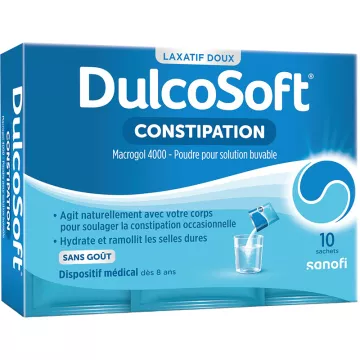
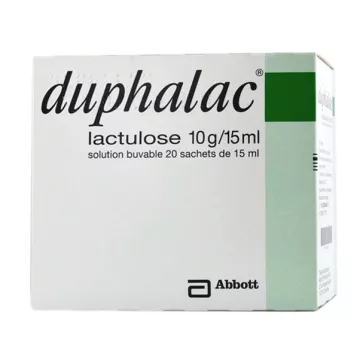
- Constipation: colic-like cramping, diffuse lower abdominal pain, relieved after a bowel movement
- Warning signs (medical emergency): sudden, intense pain + rigid abdomen, fever > 38.5°C + localized pain, blood in the stool or vomit, jaundice, unintentional weight loss, nighttime pain severe enough to wake you → call 15 or seek emergency care
Quickly relieve stomach pain
- Local heat: apply a heating pad to the abdomen for 15–20 minutes — relaxes the smooth muscles of the digestive tract — effective for functional pain, menstrual cramps, and IBS spasms
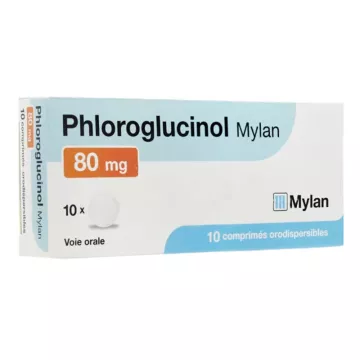
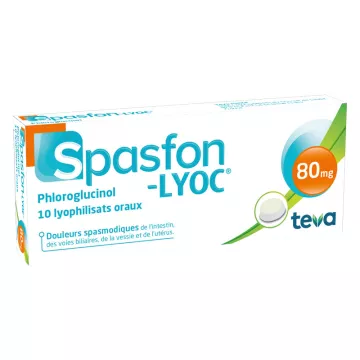
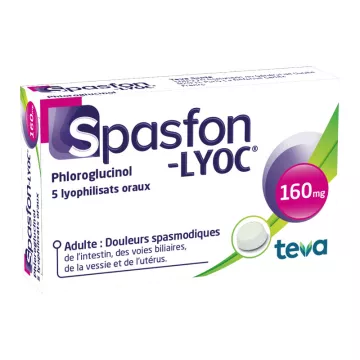
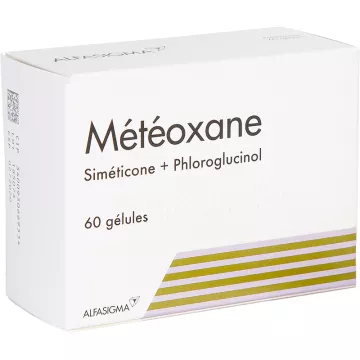
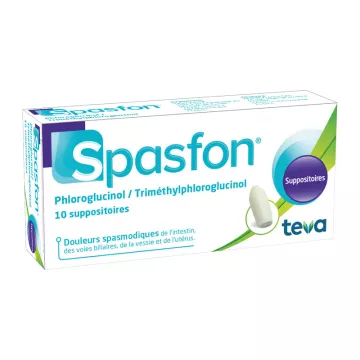
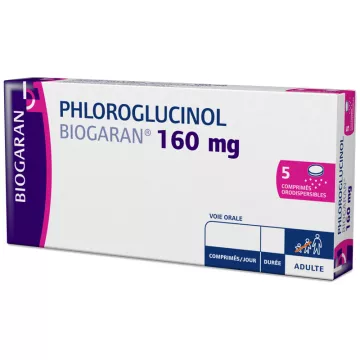
- Antispasmodics: phloroglucinol (Spasfon)—the standard treatment in France—does not cause drowsiness—see our page on digestive spasms
- Ginger: anti-inflammatory for the intestines + antispasmodic — fresh ginger tea (1 cm of root steeped) or capsules — effective for functional digestive pain
- Chamomile: antispasmodic for the gastric and intestinal mucosa — 3 cups of tea per day — soothes epigastric pain and colic cramps
- Magnesium: reduces hyperexcitability of the intestinal smooth muscles — 300–400 mg/day — a key treatment for chronic IBS pain
Diet, Essential Oils, and Prevention of Abdominal Pain
- FODMAP Diet: Eliminate fermentable carbohydrates (fructose, lactose, polyols, oligosaccharides) — 6–8 weeks — 75% response rate in IBS — dietary supervision recommended
- Gentle foods to prioritize during a flare-up: rice, ripe banana, applesauce, cooked carrots, toast — BRAT — high digestibility and low fermentation
- Peppermint essential oil (enteric-coated capsules): the gold standard antispasmodic for the colon — 1–2 capsules before meals — do not use if you have GERD
- Ginger essential oil (1 drop diluted in a spoonful of vegetable oil): circular abdominal massage in the direction of intestinal transit (clockwise) — prokinetic + anti-inflammatory
- Stress management: Cortisol increases visceral sensitivity and perceived pain—cardiac coherence 3 times a day, meditation, yoga (Balasana, seated twists)—documented to reduce IBS pain