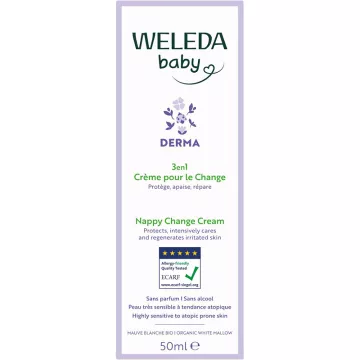
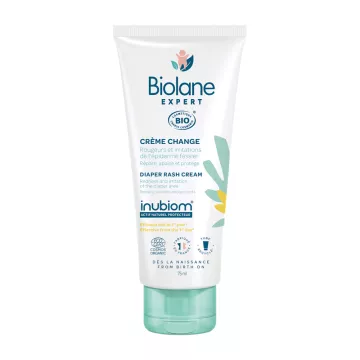
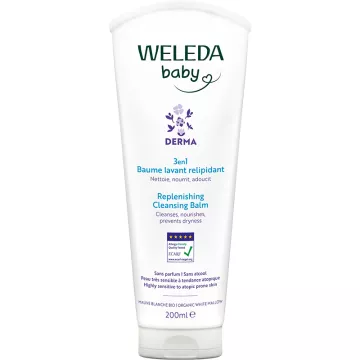
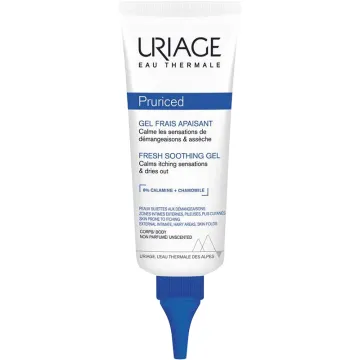
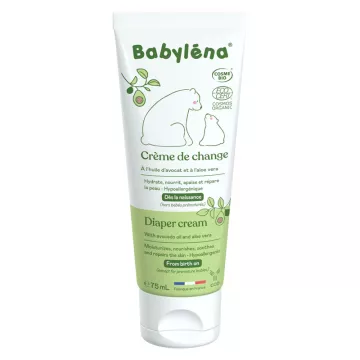
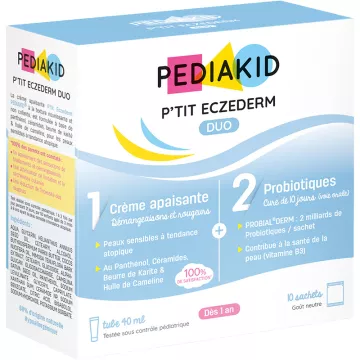
What is a soothing baby cream?
A soothing baby cream is a cosmetic product specifically formulated to moisturize, protect, and soothe the delicate skin of infants. Their skin, which is particularly thin and permeable, loses moisture more quickly and is more sensitive to external irritants. Commonly used ingredients include:
- Shea butter: nourishing, rich in essential fatty acids, restores the skin barrier
- Aloe vera: known for its moisturizing and soothing properties
- Chamomile: traditionally recognized for its soothing properties
- Vegetable glycerin: a gentle moisturizing agent
- Plant-based oils (sweet almond, calendula, apricot): nourishing and emollient
Its formula, compliant with European Regulation EC 1223/2009, is designed to be safe and gentle on a baby’s sensitive skin. It forms a protective barrier against external irritants such as cold, wind, and dry air, complementing daily skincare routines.
What are the benefits of a soothing baby cream?
Regular use of a suitable soothing cream offers several daily benefits:
- Deep hydration: maintains skin suppleness and reduces feelings of tightness
- Strengthens the skin barrier against climatic and environmental changes
- Soothes redness and discomfort
- Protection against wind, cold, and dry indoor air (heating, air conditioning)
- Minimalist formulation: formulas are generally free of parabens, harsh sulfates, dyes, and allergenic fragrances
- Daily support for skin prone to dryness, atopic conditions, or sensitivity
- A special moment of parent-baby bonding during application
For babies with a family historyof atopic dermatitis, a daily emollient cream can help reduce the frequency of flare-ups, as recommended by a pediatrician. Regular use is better for prevention than treatment: incorporating the cream into your daily routine pays off over time.
How to Choose the Best Soothing Baby Cream?
Several selection criteria can help you find a cream that’s truly suitable:
- Short ingredient list: the fewer ingredients, the lower the risk of an allergic reaction
- Natural and certified ingredients: Cosmebio, Ecocert, Cosmos, and Nature et Progrès labels
- Fragrance-free, alcohol-free, and dye-free
- Free of identifiedendocrine disruptors (long-chain parabens, phenoxyethanol for the diaper area)
- Approved under pediatric and dermatological supervision: this information is often indicated on the packaging
- Hypoallergenic and tested on sensitive skin
- Verified user reviews to assess actual tolerance under real-world conditions
- Recommendation from a healthcare professional (pharmacist, pediatrician) if you have specific skin conditions (atopic dermatitis, eczema)
If in doubt, ask your pharmacist for advice: they can recommend a formulation suited to your child’s age, skin type, and any known family history of skin sensitivities.
How do you apply the soothing cream correctly?
Careful application ensures your baby’s comfort and the product’s effectiveness:
- Clean the skin with a gentle, suitable product (pH-neutral ultra-moisturizing soap, syndet, or baby micellar water)
- Gently patdry without rubbing, paying special attention to skin folds
- Take a small amount of cream and warm it between your palms to make application easier
- Spread it in gentle, circular motions without pressing down, taking care around sensitive areas
- Focus on dry areas: cheeks, thighs, wrists, and skin folds
- Make sure the cream is fully absorbed before dressing the baby
- Make this a tender moment: use gentle words and maintain eye contact
For a baby with dry skin, two to three applications a day may be necessary, in addition to a moderate, well-soaped bath.
How often should you use the soothing cream?
The frequency of application depends on skin type and environmental conditions:
- Normal skin: 1 application per day, ideally after a bath
- Dry skin: 2 to 3 applications per day, at least once in the morning and once at night
- Very dry or atopic skin: multiple applications, as soon as the skin feels tight, as recommended by a pediatrician
- Winter and heating: Increase the frequency to compensate for dry indoor air
- Summer and sun exposure: Use a baby-specific sunscreen in addition to moisturizer
- After each diaperchange: for the diaper area, if redness is present
Adjust the routine by observing your baby’s skin. Skin that feels “tight,” becomes rough, or reddens slightly indicates an increased need for care. However, persistent irritation in your baby warrants professional advice.
Are there any possible side effects?
Adverse reactions are rare with a cream specifically formulated for babies, but may occur:
- Contact allergic reaction: localized redness, itching, or stinging
- Contact eczema: red, dry patches, sometimes oozing
- Hives: raised papules, often itchy
- Paradoxical worsening of dryness if the cream is incompatible with the baby’s skin
Before first use, perform a patch test by applying a small amount to the inner elbow and leaving it on for 48 hours. If a reaction occurs (redness, swelling, itching), stop using the product immediately and consult a doctor if necessary. Any severe reaction (generalized hives, facial swelling, difficulty breathing) requires calling 15—an extremely rare risk, but one you should be aware of.
What ingredients should you avoid in baby cream?
Certain ingredients should be avoided or used with caution in infant skincare products:
- Phenoxyethanol: banned in France in products intended for the skin of children under 3 years of age (EU Regulation 2019/1257)
- Long-chain parabens (isopropyl-, isobutyl-, phenyl-, benzyl-, pentyl-paraben): banned; those authorized remain controversial
- Harsh sulfates (SLS, SLES): too stripping for delicate skin
- Denatured or high-proof alcohols: drying and irritating
- Synthetic fragrances and allergens: 26 allergens must be listed on the label
- Artificial dyes
- EDTA and other chelating agents in high concentrations
- Essential oils: not recommended for babies under 3 years old, or even 7 years old for many
- Controversial chemical sunscreens (octocrylene, oxybenzone, octinoxate)
Look for clear, legible labels and an ingredient list that’s as short as possible. Apps like Yuka or INCI Beauty can help you identify ingredients, though they shouldn’t replace expert pharmaceutical advice.
Can soothing cream be applied to the face?
It can be applied to a baby’s face if the cream meets certain criteria:
- Non-comedogenic: does not clog pores
- Specifically formulated for sensitive skin and for facial use on infants
- Fragrance-free, alcohol-free, and allergen-free
- Ophthalmologically tested to prevent eye irritation
- Lightweight and easily absorbed so it doesn’t clog the skin
Always perform a tolerance test on a small area (cheek or neck crease) for 48 hours before regular use. Avoid the eye area and open areas (lips). For cradle cap on the scalp, a specific plant-based oil is more suitable. For dry skin on a baby’s face, certain targeted emollient creams may be recommended by your pharmacist.
Does the soothing cream treat diaper rash?
A standard soothing cream moisturizes and soothes but is not primarily intended to treat established diaper rash. For the diaper area, there are two types of products:
- Preventive diaper cream: to be used at everydiaper change, formulated with low-dose zinc, panthenol, or soothing extracts—protects against friction and moisture
- Cream for established diaper rash: formulated with a higher concentrationof zinc oxide (typically 10 to 25%), which creates a protective barrier that promotes the regeneration of irritated skin
Check the label: a product labeled “diaper rash” or “diaper dermatitis” generally contains the appropriate active ingredients. For daily care, oil-and-calcium liniment remains a popular classic. In cases of persistent or recurring redness, products specifically designed for diaper rash can be a useful addition to your routine. If the redness lasts more than 3 to 5 days, oozes, or has white spots, consult a pediatrician.
How should you store a soothing baby cream?
Proper storage conditions preserve the product’s quality and safety:
- A cool, dry place, away from direct sunlight
- Stable room temperature (ideally between 15 and 25 °C)
- Cap or tube tightly closed after each use
- Useclean hands or a spatula when dispensing, especially for jars
- Observe the PAO (Period After Opening) indicated on the packaging by the open jar symbol (often 6M, 9M, or 12M)
- Check before each use: smell, texture, color—any change indicates spoilage
- Do not store in the bathroom if there are significant fluctuations in humidity
If you have any doubts about the product’s integrity, it’s better to replace it rather than take a risk with sensitive skin. The extra cost of a new tube is negligible compared to a preventable skin reaction.
What are some natural alternatives to soothing cream?
For parents looking to explore natural options, several simple ingredients can complement or be used as an alternative to a soothing cream:
- Organic virgincoconut oil: moisturizing, slightly antibacterial; apply a thin layer
- Sweet almond oil: emollient, traditionally used for babies’ skin (check for nut allergies)
- Organic rawshea butter: intensely nourishing for very dry areas
- Apricot or calendula oil: gentle, particularly suitable for sensitive skin
- Traditionaloil-and-calcium liniment: highly recommended for diaper rash
- Certified organic purealoe vera gel: soothing and moisturizing for irritated skin
These ingredients are known for their moisturizing and soothing properties, but none are entirely free of allergy risks. Always test on a small area for 48 hours before regular use, and opt for high-quality organic products stored under proper conditions. If in doubt or in the case of a specific skin condition, the advice of a pharmacist or pediatric dermatologist is invaluable.