What is a minor wound?
In everyday language, a minor wound refers to a superficial, small, and shallow break in the skin that does not threaten vital functions and can be treated at home with first aid. This practical category includes fine cuts, scrapes, abrasions, scratches, open blisters, and first-degree burns without extensive blistering. Most heal without scarring with a basic first-aid kit and a few good habits. The key is to have the right supplies in the right place before an incident occurs, especially in households with children or athletes.
How do you put together a first-aid kit?
A well-organized family first-aid kit fits into a box or compartmentalized bag about the size of a book:
- Individual sterile gauze pads in various sizes (at least 20);
- Antiseptic solution in a 100–250 ml bottle + a 30 ml travel-size bottle;
- Single-dosesaline solution (handy for rinsing eyes and wounds);
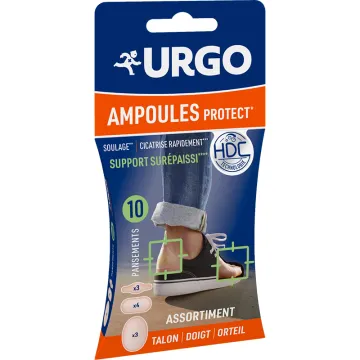
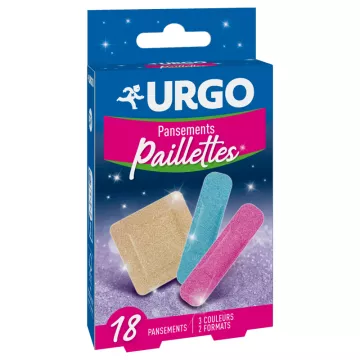
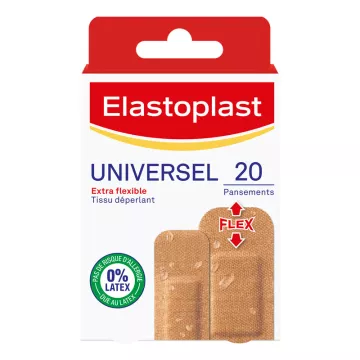
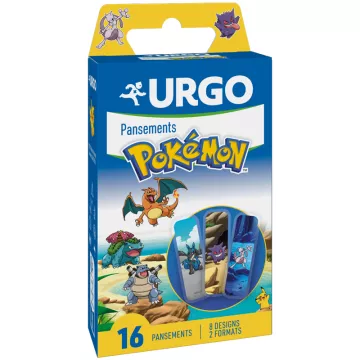
- Standardadhesive bandages in various sizes, including a box of colorful or patterned bandages for children;
- Ointment dressings (Vaseline-coated gauze) for weeping wounds;
- Hydrocolloid dressings to promote moist wound healing;
- Velpeau or cohesive tape to secure dressings over joints;
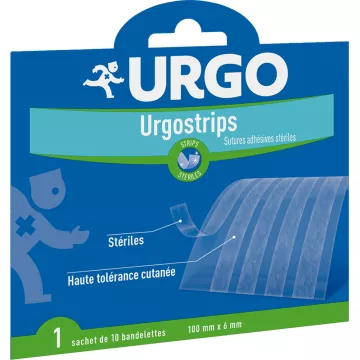
- Steri-strips to bring the edges of a short linear wound together;
- Sterilized tweezers for removing debris, splinters, and ticks;
- Round-tipped scissors for cutting gauze pads and bandages;
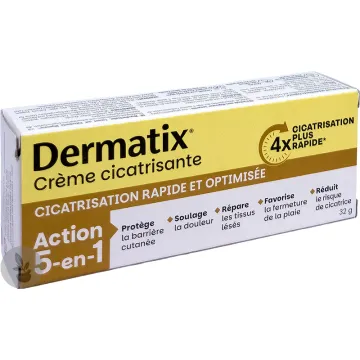
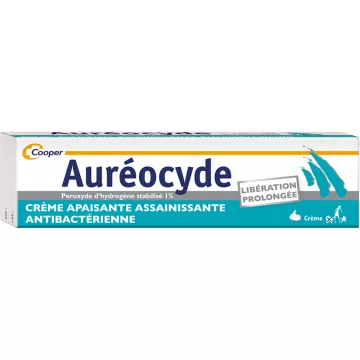
- Healing cream containing centella asiatica, panthenol, or allantoin for the post-closure phase;
- Thermometer, pain reliever (gel or tablets), and disposable gloves.
A compact first-aid kit in the car, another at home, and a mini-kit in your gym or hiking bag will cover most situations.
Which antiseptics should you choose based on age?
Not all antiseptics are equally suitable depending on age and context:
- Aqueous chlorhexidine (0.05% to 0.5%): first-line antiseptic, suitable for all ages, common wounds, low irritation;
- Povidone-iodine (Betadine®): broad-spectrum and effective, but contraindicated for infants under 30 months, pregnant women (2nd and 3rd trimesters), breastfeeding women, and those with thyroid disorders;
- Saline solution: for simple rinsing, particularly in infants and for the eyes;
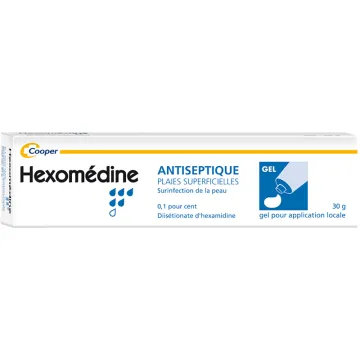
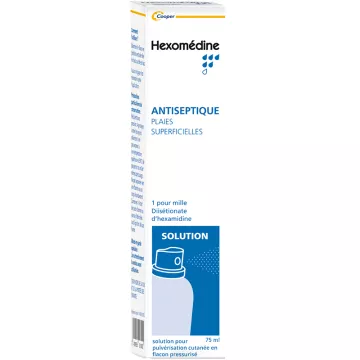
- Hexamidine (Hexomedine®): bacteriostatic antiseptic, a gentle alternative;
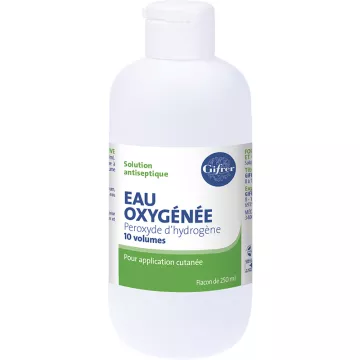
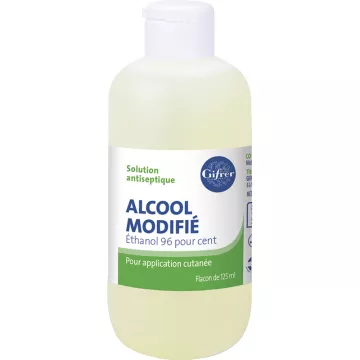
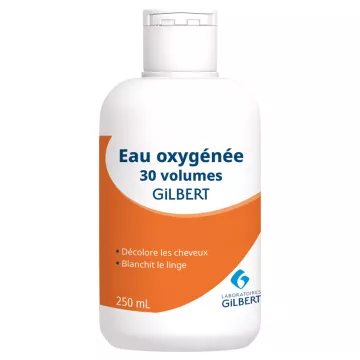
- Avoid for routine use: 70° alcohol (very painful, cytotoxic to healing tissue), concentrated hydrogen peroxide (same), mercurochrome (banned in France since 2006), eosin (useful for drying, not for disinfecting);
- Never mix two antiseptics (incompatibilities: chlorhexidine + iodine-based products = mutual inactivation).
Pay special attention to small wounds in the mouth, which require specific products (diluted chlorhexidine mouthwash, dedicated oral antiseptics).
How do you assess a wound in a child?
Some practical guidelines for dealing with a child’s wound:
- The child is crying a lot but the wound is superficial: this is often due to fear and surprise rather than pain; reassure, distract, and treat;
- The wound is less than 1 cm, with clean edges and minimal bleeding: first aid at home is sufficient;
- Longer wound, ragged edges, deep, affecting the face: seek prompt medical attention for advice on sutures or skin adhesive;
- Wound contaminated with dirt, gravel, or sand: Thorough cleaning is essential; seek medical attention if debris is embedded;
- Wound on a joint (knee, elbow, hand, finger): risk of functional impairment; see a doctor to assess the depth of the injury;
- Wound caused by an animal: seek medical attention even if minor;
- Bleeding not controlled by 10 minutes of compression: medical emergency;
- Always check tetanus vaccination status.
What steps should you take without panicking?
The universal 5-step sequence:
- Reassure the person and make them comfortable;
- Wash your hands before touching the person;
- Apply pressure with a sterile compress to stop the bleeding (for 5 to 10 minutes without releasing the pressure);
- Clean the wound with warm water and mild soap, then disinfect it with an aqueous chlorhexidine solution;
- Cover the wound with a bandage appropriate for the area and size;
- Repeat disinfection once a day for 2 to 3 days;
- Monitor progress within 24 to 72 hours;
- Be sure to protect the surrounding skin barrier with a suitable moisturizer during the healing process.
Which dressings for which uses?
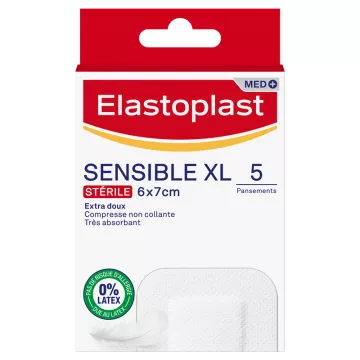
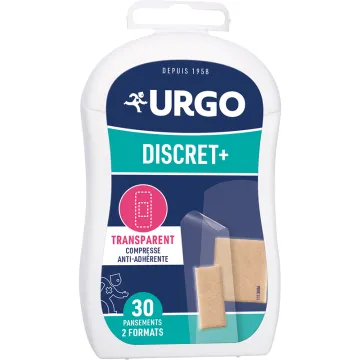
- Simple adhesive bandage: well-cleaned, superficial wound with minimal exudate;
- Oily dressing (gauze or silicone interface): exuding wound, extensive abrasion, first-degree burn;
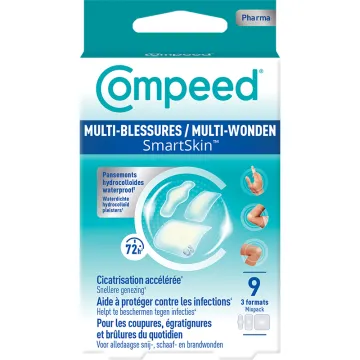
- Hydrocolloid dressing: promotes moist wound healing; ideal after the first 24 hours and for joint areas;
- Hydrocellular dressing: for heavily oozing wounds;
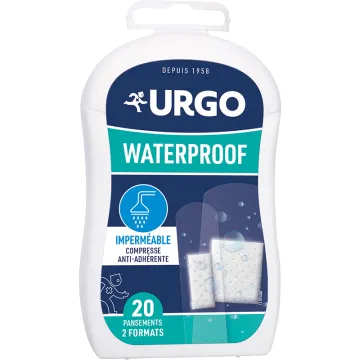
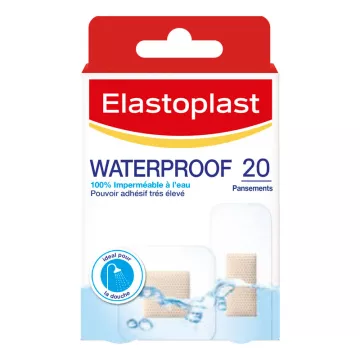
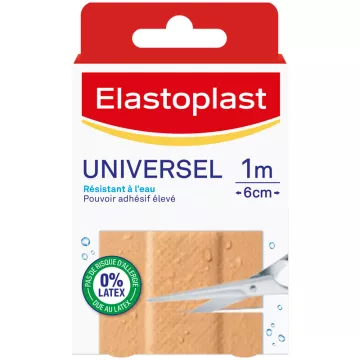
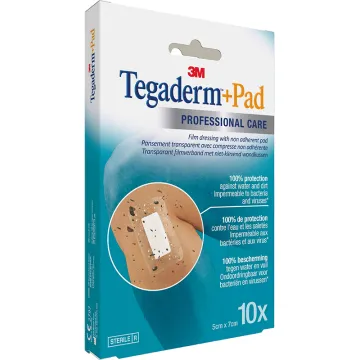
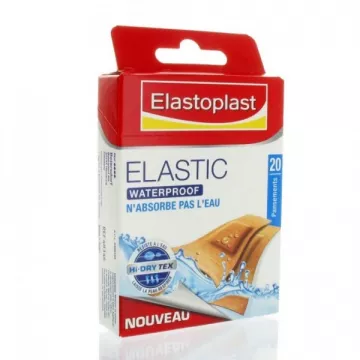
- Waterproof dressing: for showering; remove immediately afterward;
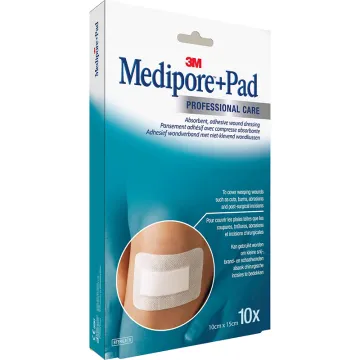
- Gauze pads + bandage: larger wounds on the trunk or limbs;
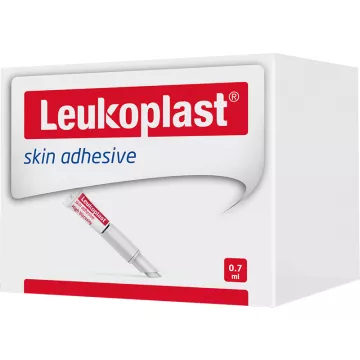
- Steri-Strips: to bring the edges together on short, clean linear wounds; an alternative to sutures for certain small cuts;
- Change every 1 to 2 days, or immediately if it becomes wet or soiled.
What complementary natural remedies are available?
Some natural active ingredients can complement wound care during the healing phase, but never on an open, raw wound:
- Purealoe vera gel: has a cooling and soothing effect; apply after disinfecting;
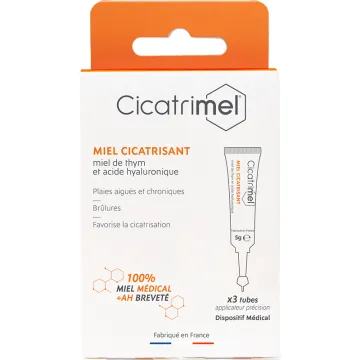
- Manuka or acacia honey: documented antibacterial properties when applied to a cleaned wound, unless allergic;
- Calendula oil macerate: a traditional soothing agent for healing skin;
- Roman chamomile or true lavender hydrosol, misted around the wound;
- Creams containing panthenol, allantoin, or Centella asiatica once the wound has closed;
- Avoid using on open wounds: pure essential oils (potentially allergenic and irritating), unverified home remedies (toothpaste, lemon, sugar).
How can you restock your first-aid kit regularly?
A few good annual habits:
- Check the expiration dates on all products (antiseptics, saline solution, compresses);
- Once opened, an antiseptic solution generally lasts 1 month at room temperature, sometimes up to 3 months depending on the product;
- Replace bandages that are crushed or whose packaging is damaged;
- Update the first-aid kit when a child is born, when a pet joins the family, or if there is a chronic medical condition in the household (diabetes, anticoagulant therapy);
- Store the first-aid kit in a cool, dry, and easily accessible place, out of reach of young children;
- Check at least once a year to make sure all household members know where it is;
- Keep an updated list of important numbers (emergency medical services 15, fire department 18, European emergency number 112, poison control center) inside the lid.
When should you seek medical attention?
- Heavy bleeding that cannot be controlled after 10 minutes of pressure;
- A deep, long wound with gaping edges, affecting the face or a functional area;
- Presence of deeply embedded foreign objects;
- Any wound caused by an animal;
- Wounds in specific circumstances (diabetes, immunosuppression, anticoagulant therapy);
- Signs of infection after 48 to 72 hours (increasing redness, warmth, pain, purulent discharge, fever, red streak);
- A tetanus booster shot administered more than 20 years ago or unknown vaccination status;
- No healing after 10 to 14 days for a superficial wound;
- Any systemic symptoms (generalized hives, facial swelling, difficulty breathing): life-threatening emergency—call 15 or 112.
The community pharmacist remains the first point of contact for advice on the appropriate antiseptic and dressing, and for referral to a doctor in case of doubt.