What are Elastoplast Med Sensitive Bandages used for?
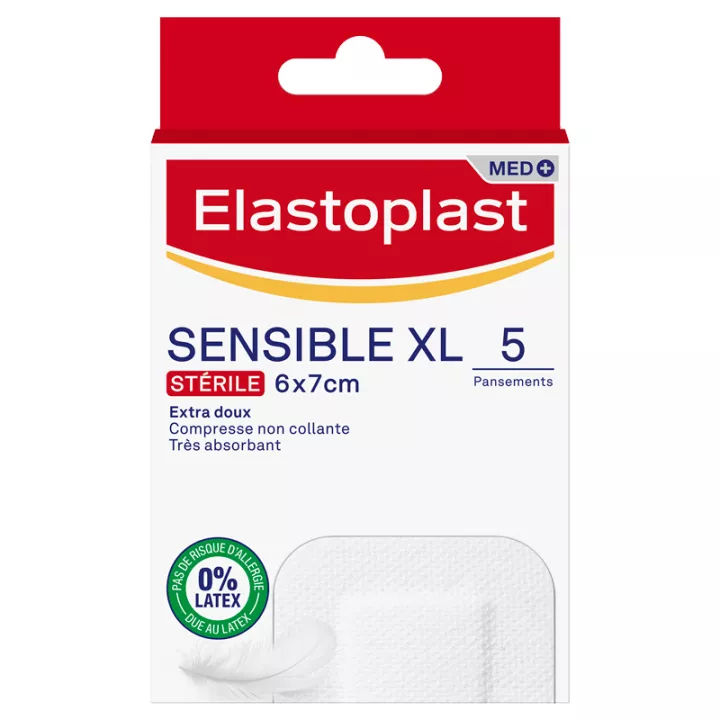
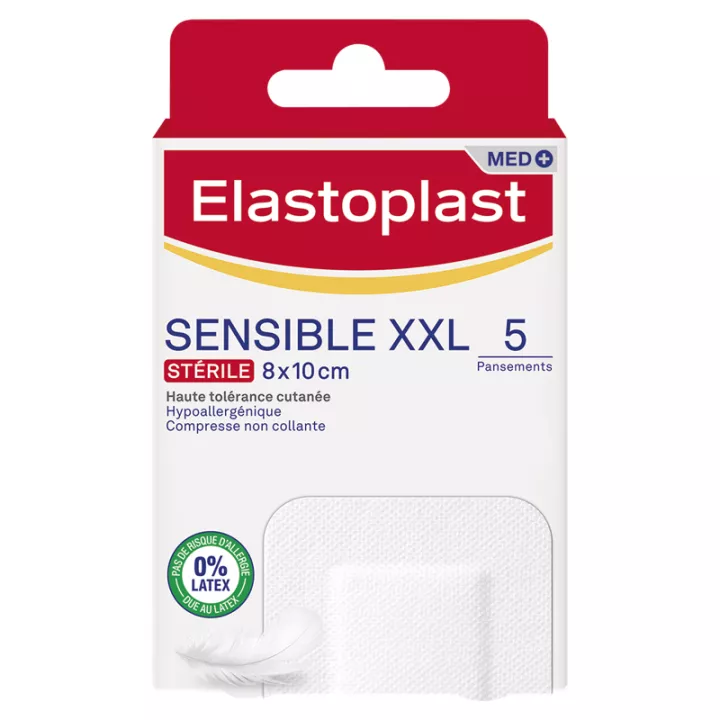
Elastoplast Med Sensitive bandages are specially designed for sensitive skin, offering an optimal solution for covering and protecting medium to large wounds. These bandages are particularly suitable for use after minor surgery, providing effective protection while being gentle on even the most delicate skin.
Soft, breathable material: Made from a particularly soft and breathable material, these bandages ensure maximum comfort when worn. Their breathable design allows the skin to breathe, which is crucial for healing and maintaining skin health under the bandage.
Perfect adhesion and pain-free removal: The adhesive used on Elastoplast Med Sensible bandages is designed to adhere effectively to the skin without causing irritation or pain upon removal. This makes these bandages particularly suitable for users with sensitive skin or for use on areas where the skin may be taut or in motion.
Non-sticky, highly absorbent pad: At the core of each bandage, a non-sticky pad absorbs wound exudate while remaining gentle against the skin. This feature is essential for preventing pain during bandage changes and for protecting the wound as it heals.
Sterility and Softness: Each bandage is sterile, ensuring that no external pathogens compromise the wound’s healing process. They are extra soft, minimizing any risk of skin irritation and making daily use more comfortable and safe.
Latex-free: To avoid any risk of allergy, these bandages are made without latex, an important feature for people who are allergic to or sensitive to latex.
In conclusion, Elastoplast Med Sensible bandages combine protection, comfort, and technological innovation to offer an ideal solution for sensitive skin and post-surgical care. Their meticulous design meets the needs of even the most demanding users, ensuring safety and peace of mind during the healing process.
We also offer Ialuset Plus Pre-soaked Compresses (10 x 10 cm) at the best price in our online pharmacy.
How to Use Elastoplast Med Sensitive Bandages Correctly?
Clean the wound and gently dry the skin. Apply without stretching or creasing. Press the bandage firmly into place. Peel off the adhesive backing up to the red line. Refer to the instructions on the individual packaging. For post-surgical wounds, follow your doctor’s recommendations.
Share your feedback on the usage instructions and dosage for Elastoplast Med Sensible 5 Bandages with our partner, Verified Reviews, after your purchase.
Precautions for Use
- Store away from light.
- Keep the bandages in their sterile packaging until use.
- Intended only for the treatment of localized superficial wounds no larger than the size of a gauze pad.
- If there are foreign objects in the wound, heavy bleeding, a bite, a puncture wound from a sharp and/or contaminated object, or if you see no improvement in healing after 6 days, consult your pharmacist or doctor.
- If you notice any clinical signs of local infection (warmth, redness extending to unbroken skin, pain, purulent discharge, swelling, etc.), consult your pharmacist or doctor.
What are the ingredients?
- An extra-soft adhesive backing
- A highly absorbent, non-sticky pad
- Sterile dressing unless the packaging is damaged or opened
- 0% latex to reduce the risk of allergies; dermatologically approved for skin tolerance
Presentation - Packaging
Elastoplast Med Sensitive Bandages are available in two sizes:
- Box of 5 XL bandages in individually sterile pouches, 6 cm x 7 cm.
- Box of 5 XXL bandages in individually sterile pouches, 8 cm x 10 cm.
Our Tips and Expert Advice from Pharmacists
To treat a minor wound, it’s important to follow a few key steps to promote rapid healing and prevent infections. Here are some practical tips:
- Clean the wound: Start by washing your hands with soap and water to avoid transferring bacteria to the wound. Rinse the wound with lukewarm water to remove dirt and debris. You can use a small amount of mild soap around the wound, but avoid applying it directly to the wound to prevent irritation.
- Disinfect: Apply a mild antiseptic to disinfect the area. Solutions containing chlorhexidine or povidone-iodine are often recommended because they are effective and generally well-tolerated. Apply the product carefully, following the instructions on the package.
- Protect the wound: Once the wound is clean and disinfected, cover it with a sterile bandage. Choose a bandage that is large enough to cover the entire wound and that adheres well to the skin without sticking to the wound itself. Change the bandage daily or more often if necessary, especially if it becomes damp or dirty.
- Monitor progress: Keep an eye on the wound to make sure it’s healing properly. If you notice signs of infection—such as increased redness, warmth, swelling, or pain, or if pus begins to form—see a doctor.
- Maintain good hygiene: Continue to practice good hygiene by washing your hands regularly and ensuring that the wound remains clean and protected until it is completely healed.
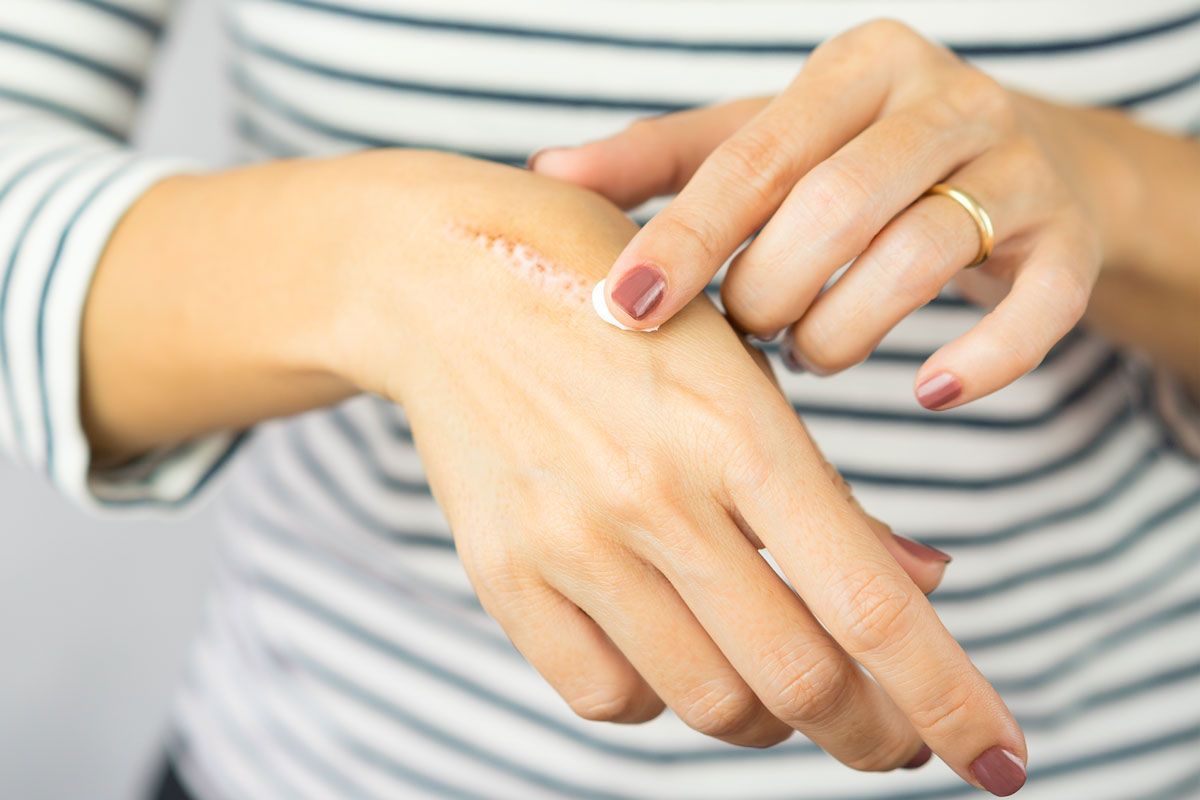
- Moisturize and nourish the skin: Once the wound has closed, use a moisturizer to help restore the skin’s barrier and, if necessary, a healing cream to reduce the risk of scarring.
By following these steps, you will help ensure the wound heals effectively and safely.