What is a scrape?
In everyday language,a scrape refers to a small, superficial skin injury caused by friction or light contact with a surface, an object, or a slightly abrasive plant. It’s the quintessential “everyday boo-boo”: shallow, small, barely bleeding, sometimes just a bit red. In practice, the term covers wounds very similar to scratches and superficial abrasions. What characterizes a scrape is not so much its precise nature as the context in which it occurs —a knee against a piece of furniture, a hand against tree bark, an ankle against the edge of a skateboard—and its commonplace nature. It can be treated in a few minutes with simple steps, provided you know the proper procedures.
In what situations do they often occur?
Some common everyday situations:
- Children’s play: falls at the playground, slipping off a bike, friendly scuffles, outdoor games;
- Sports and recreation: running, mountain biking, rock climbing, team sports, surfing, skateboarding;
- Gardening: brambles, tree bark, slightly sharp tools, handling prickly plants;
- Home improvement: sharp edges on furniture, sandpaper, screws and bolts;
- Home life: doors left ajar, furniture with sharp corners, decorative objects;
- Pets: claws, teeth during play, shared toys;
- Cooking: slightly sharp utensils, graters, vegetable peelers.
In all cases, the first-aid procedure is the same: wash, disinfect, protect.
What are the first steps to take in everyday life?
The “4-step” reflex in 5 minutes:
- Wash: Wash your hands, then rinse the wound for 2 to 3 minutes under running water;
- Clean: Use a mild, unscented liquid soap, avoiding scented or abrasive soaps;
- Disinfect: Gently dab with a sterile compress, then apply a mild antiseptic solution (aqueous chlorhexidine as a first-line treatment);
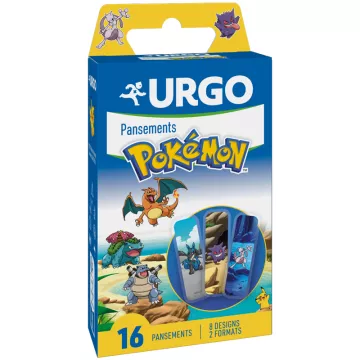
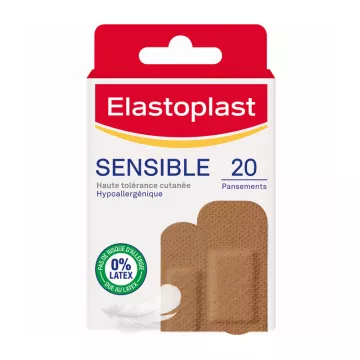
- Protect: use a simple adhesive bandage, or an ointment dressing for small areas, or nothing at all if the wound is in a protected area and is already dry.
Repeat the disinfection once a day for 2 to 3 days. Most scrapes heal in less than a week.
What first-aid kit should you keep at home?
A basic, readily available first-aid kit covers 95% of situations:
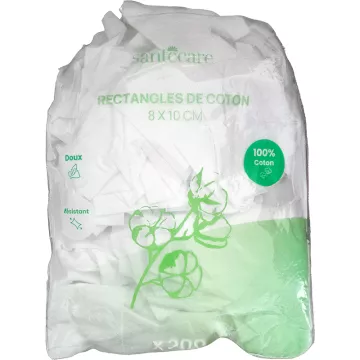
- Individual sterile gauze pads (at least 10);
- Antiseptic solution in a bottle or single-dose packets (aqueous chlorhexidine, first-line treatment for children and adults);
- Saline solution in single-use vials for rinsing;
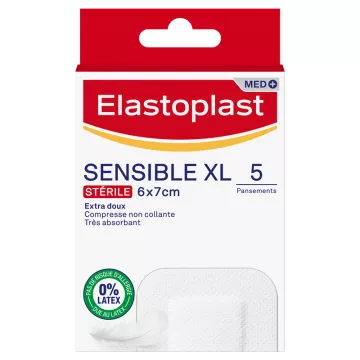
- Adhesive bandages in various sizes, including a few colored or patterned ones for children;
- Ointment dressings (Vaseline-coated gauze) for weeping wounds;
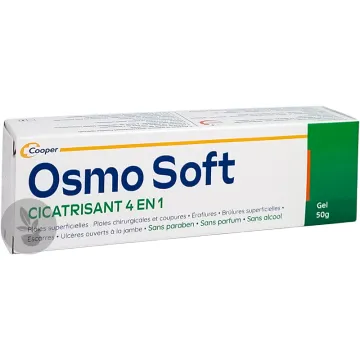
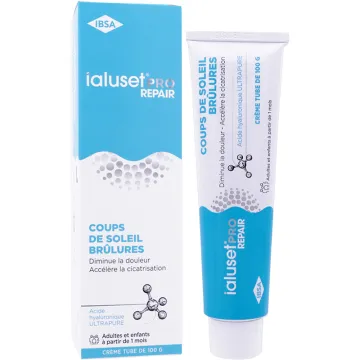
- Healing cream (panthenol, allantoin, Centella asiatica) for the post-closure phase;
- Small tweezers for removing any debris;
- Round-tipped scissors for cutting gauze pads and bandages;
- Velpeau or cohesive tape to secure bandages over joints.
Keep this kit in a place accessible to everyone (bathroom, kitchen, car, gym bag) to avoid having to improvise in the event of an accident.
How can you tell the difference between a scrape and a cut?
Three practical guidelines:
- Mechanism: a scrape is caused by friction, while a cut is caused by a sharp object severing the skin;
- Depth: a scrape remains superficial (epidermis and superficial dermis), while a cut can reach deeper layers;
- Bleeding: minimal and spotty for a scrape, more pronounced for a cut;
- Edges: irregular and wide for a scrape, clean and straight for a cut.
If the edges are gaping, if the depth exposes the subcutaneous tissue, or if bleeding is profuse and continuous despite applying pressure for 10 minutes, this is no longer a scrape: seek medical attention.
Can healing be accelerated?
A few simple steps can optimize healing:
- Keep the wound clean and dry for the first 24 hours;
- After this initial phase, a slightly moist environment under a hydrocolloid dressing promotes regeneration (a method recognized since the 1960s);
- Do not pick at the scab that forms—it protects the healing tissue;
- Moisturize the surrounding areas regularly to maintain skin suppleness;
- Once the scab has fallen off, apply a healing treatment (panthenol, allantoin, centella, dexpanthenol) twice a day for 1 to 2 weeks;
- Use SPF 50 sunscreen on the area for at least 4 to 6 weeks;
- Gently massage in a circular motion as soon as the skin has healed to soften the scar tissue.
What mistakes should you avoid when caring for the area?
- Applying 70° alcohol or concentrated hydrogen peroxide to an open wound (these are harsh on healthy tissue and harmful to the healing process);
- Mixing two different antiseptics (chlorhexidine + iodine-based products = they neutralize each other);
- Covering a soiled wound without first cleaning it thoroughly;
- Leaving the same dressing on for more than 48 hours without changing it;
- Blowing on the wound to soothe the burning sensation: this can spread oral bacteria;
- Applying undiluted essential oils to an open wound;
- Following outlandish home remedies (toothpaste, lemon, etc.);
- Neglecting tetanus booster shots in adults.
When should a scrape warrant a doctor’s visit?
A medical consultation is still recommended in several cases:
- Signs of infection after 48–72 hours (increasing redness, warmth, swelling, pus-like discharge, a red streak, fever);
- A scrape caused by an animal (scratch, minor bite)—specific infection risks;
- A scrape caused by a dirty or rusty object on natural ground—risk of tetanus;
- Injury to a sensitive functional or cosmetic area (face, palm, eyelid);
- No healing after 10 to 14 days;
- Immunocompromised individuals, people with diabetes, or frail elderly individuals: lower threshold for seeking medical attention;
- Tetanus booster administered more than 20 years ago or unknown vaccination status;
- Development of a thick, red, or pigmented scar after several weeks.
The community pharmacist remains the first point of contact for initial advice and medical referral in cases of doubt.