What are the different types of small mouth sores, and how can you identify them?
Minor mouth sores encompass several types of lesions with distinct causes and treatments. Confusing them can delay proper treatment. The general rule: any lesion that does not heal within 14 days should be examined by a healthcare professional. Products for canker sores andoral hygiene care are available in the store.
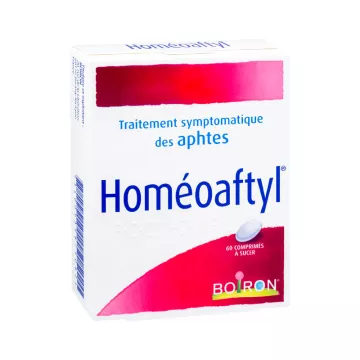
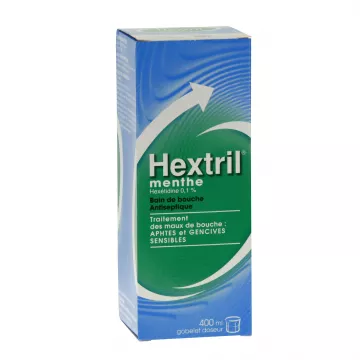
- Canker sores (aphthous ulcers): the most common type—round or oval ulceration with a yellowish-white center, bright red border, very painful—occurs on the movable mucous membranes (cheeks, lips, floor of the mouth, movable tongue)—not contagious—heals spontaneously in 7 to 14 days—dedicated page on canker sores
- Traumatic sores: accidental biting of the cheek or tongue—brushing too vigorously—ill-fitting dentures—sharp food—generally unilateral and localized to the site of the trauma—heal quickly (3 to 7 days) once the cause is removed
- Intraoral herpetic vesicles: herpes simplex type 1 — clusters of blisters that burst into superficial ulcers — most commonly found on fixed mucosal surfaces (hard palate, attached gingiva) — distinguished from canker sores by: location, clustered appearance, viral context (fever, lymphadenopathy) — contagious — see the “cold sores” page
- Others: post-surgical wound (extraction, biopsy) — contact ulceration (dental allergy, SLS in toothpaste) — chemotherapy-induced stomatitis (mucositis)
How can you naturally soothe a small mouth sore?
- Saltwater and baking soda: rinse 3 to 4 times a day — 1 teaspoon in a glass of lukewarm water — alkalizes the oral pH, reduces local inflammation, and cleans out debris — a simple first step with no side effects
- Manuka honey (MGO ≥ 250): documented antibacterial properties — apply directly to the sore 3 times a day — forms a natural protective film — effective on minor canker sores and traumatic sores — do not use in infants under 1 year of age (risk of infant botulism)
- Chamomile: concentrated infusion (2 tea bags) as a mouthwash or warm compress—anti-inflammatory (azulene) and soothing properties—relieves pain and promotes healing of the mucous membrane—can be used 3 to 4 times a day
- Propolis: a natural antibacterial, antiviral, and anti-inflammatory resin — oral spray or tincture applied directly to the lesion — effective against oral bacteria and viruses — particularly useful for canker sores and mild herpes lesions
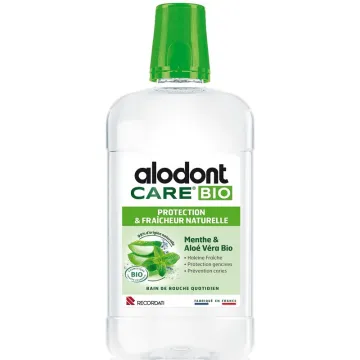
- Aloe vera oral gel: moisturizes and soothes the oral mucosa—forms a protective film over the lesion—apply 3 times a day—well tolerated even on sensitive oral mucosa
Which deficiencies contribute to recurrent oral sores?
- Iron deficiency: the leading nutritional cause of recurrent canker sores—measure ferritin levels (not just hemoglobin)—even low levels without anemia may be enough to trigger episodes
- Vitamin B12 deficiency: essential for the renewal of oral epithelial cells — deficiency → ulcers and glossitis — should be supplemented sublingually — older adults, vegans, and patients on PPIs are particularly at risk
- Zinc and folic acid deficiency: cofactors for mucosal repair and local immunity — in cases of canker sores resistant to standard treatments, a comprehensive nutritional assessment (ferritin + B12 + folate + zinc) is essential
- Celiac disease: Multiple recurrent and treatment-resistant canker sores may indicate undiagnosed gluten intolerance—request an IgA anti-transglutaminase serology test from your doctor if in doubt
When should you see a doctor, and what signs should you not ignore?
- Warning signs requiring prompt medical attention: a lesion that does not heal after 14 days—irregular, indurated (hard to the touch) edges—rapid growth—a red or white patch that does not fade—painless (paradoxically, early-stage oral cancers rarely cause pain) — cervical lymphadenopathy (a hard lymph node under the jaw) — these signs may indicate a precancerous lesion or early-stage oral cancer — seek dental or medical attention immediately
- Risk factors for oral cancer: tobacco (the leading risk factor—cigarettes, pipes, chewing tobacco) + alcohol (synergistic effect) + HPV 16/18 (oropharynx) — people with these risk factors should report any unusual oral lesions to their dentist
- Very frequent or severe canker sores: more than 3 episodes per year, giant canker sores (> 1 cm), herpetiform canker sores (clusters of more than 10 small ulcers) → complete medical evaluation to rule out Crohn’s disease, Behçet’s disease, or celiac disease
- Herpetic lesions in immunocompromised individuals: extensive, persistent, or frequently recurring herpes in patients on immunosuppressants, who are HIV-positive, or undergoing chemotherapy → systemic antiviral treatment (acyclovir, valacyclovir) as an emergency measure—do not delay