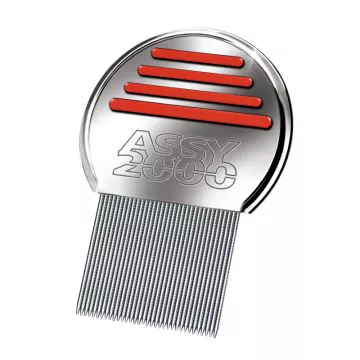
Nits are the eggs of head lice. Very small, oval-shaped, and whitish to yellowish in color, they are often mistaken for dandruff. What sets them apart is that they are firmly attached to the hair shaft, close to the scalp, and won’t come off when you shake your head or brush your hair. To detect them, examine the hair strand by strand in a well-lit area, ideally in natural light. Pay special attention to the warmest areas of the scalp—behind the ears and at the nape of the neck—where nits are generally more numerous. A fine-toothed comb makes detection much easier by catching nits that are invisible to the naked eye.
This distinction is crucial for choosing the right treatment, as the two are completely different:
A simple test: try to move the particle with your fingers. If it resists and stays attached, they are likely nits; if it slides off easily, they are dandruff. Confusing the two leads to unnecessary treatments: a lice treatment is useless against dandruff.
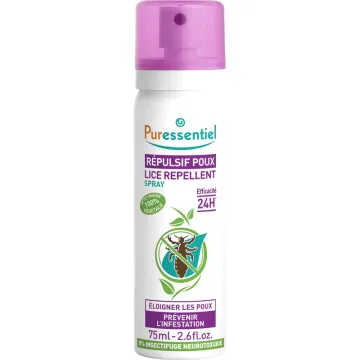
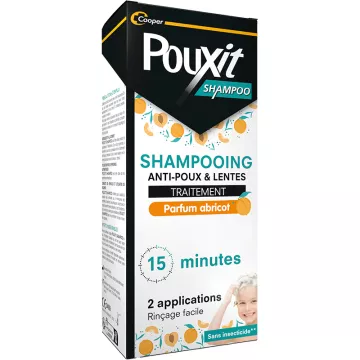
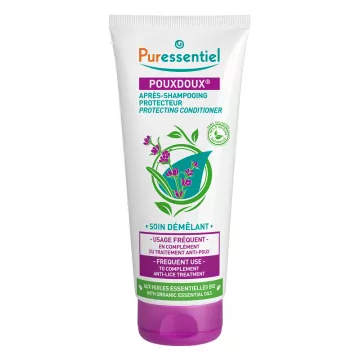
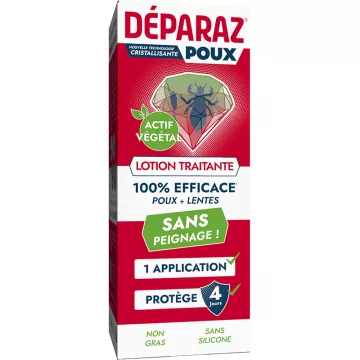
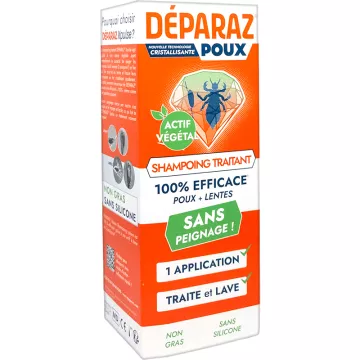
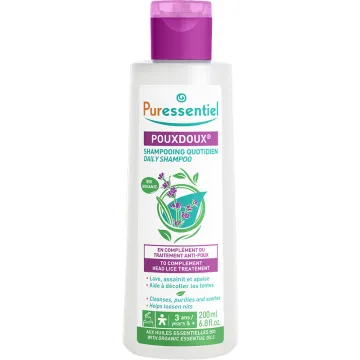
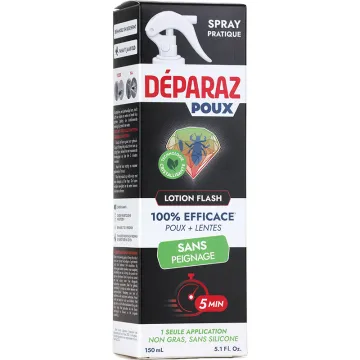
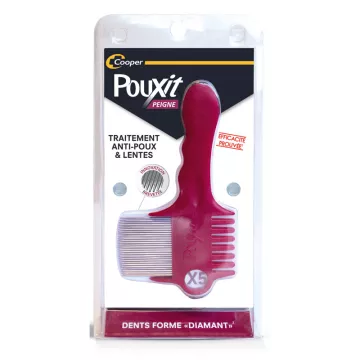
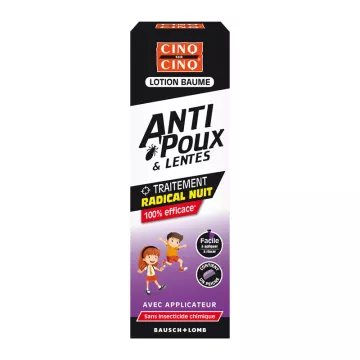
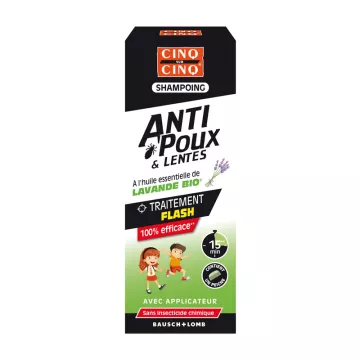
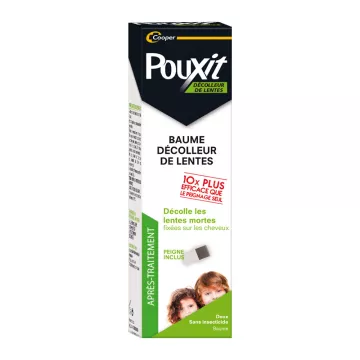
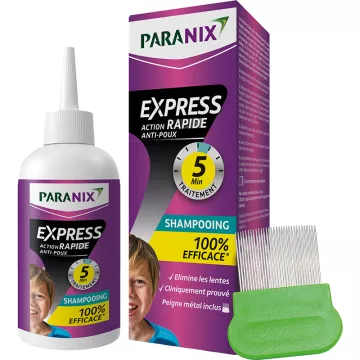
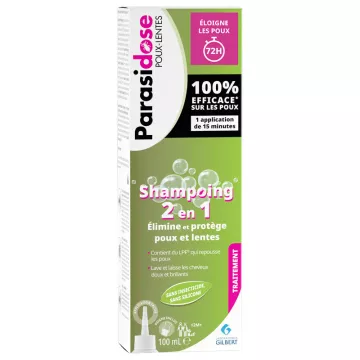
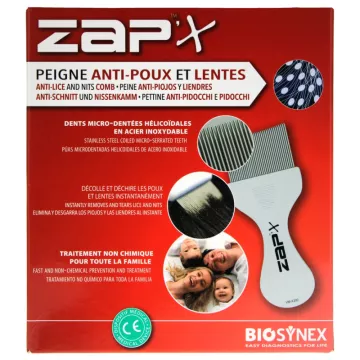
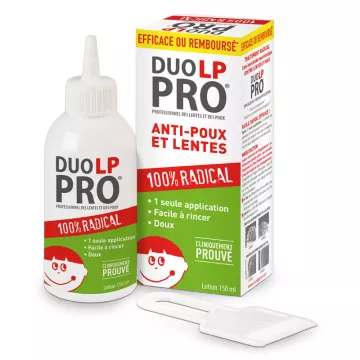
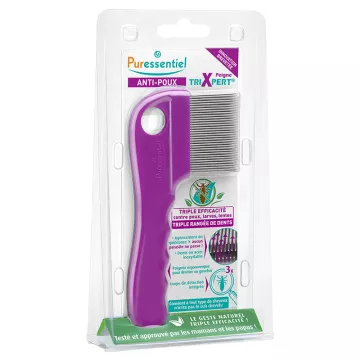
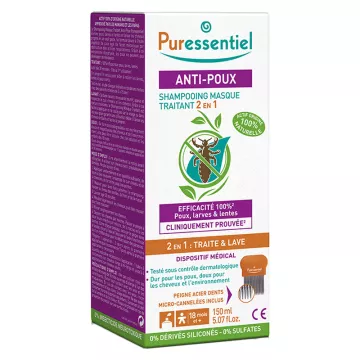
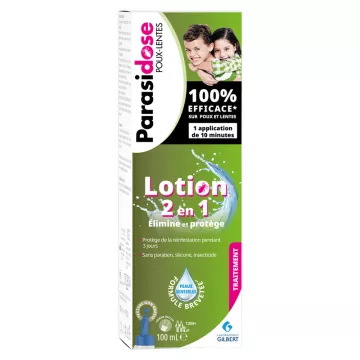
Removing nits requires patience and precision, as their hard shells make them resilient. Three approaches are combined. Combing with a nit comb: After applying conditioner or a specialized product that lubricates the hair shaft, comb thoroughly strand by strand with a fine-toothed comb, ideally every day for at least two weeks. Topical treatments: lotions, shampoos, or sprays containing active ingredients such as dimethicone (which suffocates the nits) or permethrin, formulated to kill lice and help loosen the nits. Natural methods: Certain essential oils (tea tree, lavender) are noted for their repellent properties, but their effectiveness varies and they require precautions. Regardless of the method, regular combing remains the key step for mechanically removing nits.
Understanding the life cycle explains why repeated treatment is essential. Nits hatch in 7 to 10 days, releasing nymphs that develop into adult lice in about a week. An adult louse can live up to 30 days on the scalp, where it feeds on blood. However, away from the head, a louse cannot survive more than 24 to 48 hours due to lack of food, which limits transmission through the environment. This timeline requires repeat treatment, generally at 7- to 10-day intervals, to eliminate lice that hatched from nits after the first application. It is precisely this time lag between the death of adult lice and the hatching of nits that explains why reinfestations occur when treatment is administered only once.
The most common mode of transmission for nits and lice is direct head-to-head contact, which is very common among children in group settings. Less commonly, they can spread through personal items such as brushes, combs, hats, scarves, or pillowcases that have recently come into contact with an infested head. However, since lice can survive only a limited time off the scalp (24 to 48 hours), this indirect transmission is secondary. As a precaution, it is advisable to wash potentially contaminated items at a high temperature or to seal them in a bag for at least 48 hours. Understanding these modes of transmission allows you to target effective measures without resorting to excessive disinfection of the entire home—which is both unnecessary and time-consuming—by focusing your efforts on the textiles that have actually come into contact with the head.
In the event of an infestation, sanitizing the environment helps prevent reinfestation, in addition to treating the hair. Wash all textiles that may have come into contact (sheets, pillowcases, clothing, scarves, hats) at a temperature of at least 60 °C, which kills lice and nits. Vacuum furniture, sofas, and rugs to remove any nits that may have fallen. Items that cannot be washed can be sealed in an airtight bag for two weeks. Disinfect brushes and combs with hot water. However, there is no need for widespread use of room-spray insecticides: since lice do not survive long off the head, targeted cleaning is sufficient. Focusing efforts on treating the hair of infested individuals and on nearby textiles remains the most effective and sensible strategy.
For prevention: avoid head-to-head contact, do not share personal items (brushes, hats, towels), and regularly check children’s heads, especially after a lice alert at school. Repellents, often made withtea tree or lavender, can help during high-risk periods, though they offer no absolute guarantee. Precautions: Essential oils are potent and must be diluted; they are not recommended for young children or pregnant or breastfeeding women. Perform a skin test before any application, and consult a healthcare professional before treating a child under two years of age, for whom manual combing is the preferred method. If there is scalp irritation or any doubt, seek advice. Early detection and thorough combing remain the best defenses against nits.