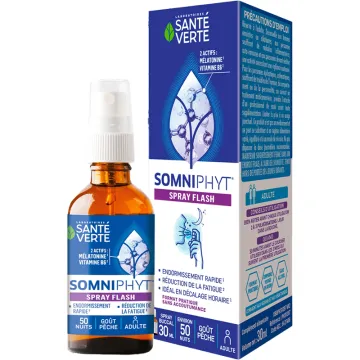
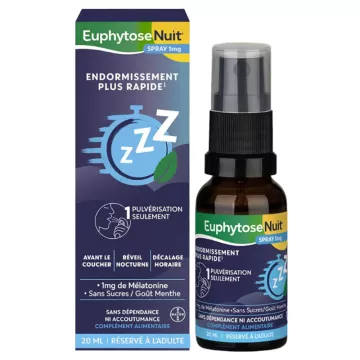
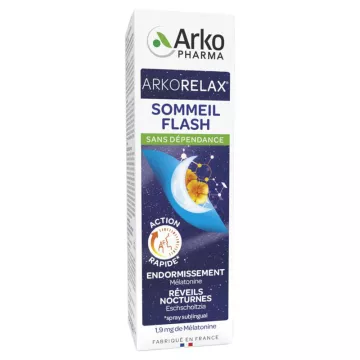
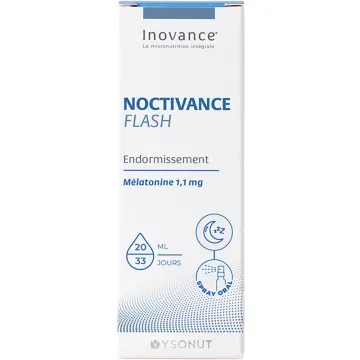
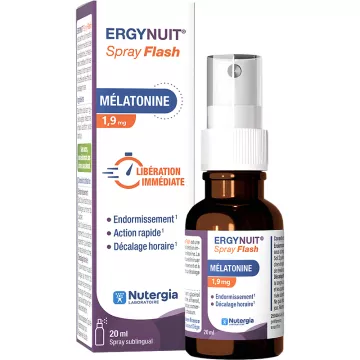
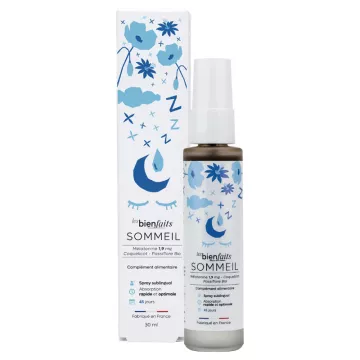
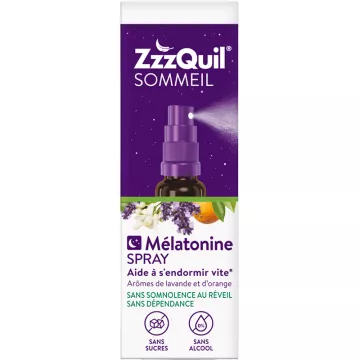
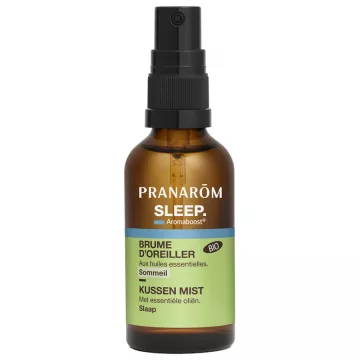
Sleep sprays offer a key pharmacokinetic advantage: sublingual or buccal absorption bypasses first-pass metabolism in the liver, allowing the medication to take effect in 10 to 20 minutes, compared to 45 to 90 minutes for a swallowed tablet. This speed is invaluable for people who take a long time to fall asleep after going to bed, or who wake up in the middle of the night and want to fall back asleep quickly. The 20–30 ml bottle fits in a pocket—ideal for travel, shift work, or frequent travel. Specially formulated versions are available for children ages 6 and up, without melatonin, made from mild herbs in a buccal spray.
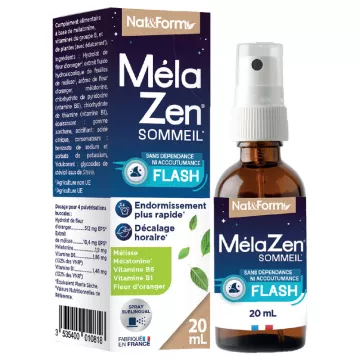
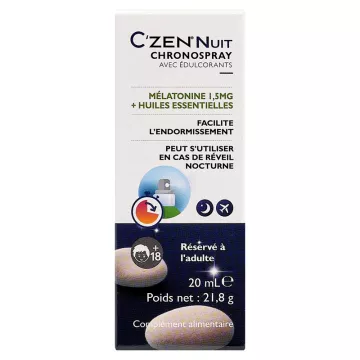
Melatonin oral spray (0.5 to 1.9 mg per spray, depending on the formula) is absorbed through the highly vascularized mucous membranes of the mouth—peak plasma levels are reached in 20 to 30 minutes. “Flash” formulas (melatonin + glycerin + natural flavoring) are the simplest and most versatile. “Chronospray” formulas combine melatonin and essential oils (lavender, bergamot, petitgrain) in a hydroalcoholic base—providing both chronobiotic and olfactory anxiolytic effects in a single application. For jet lag, the “flash” spray is the ideal form: it can be used at any time, without water, anywhere.
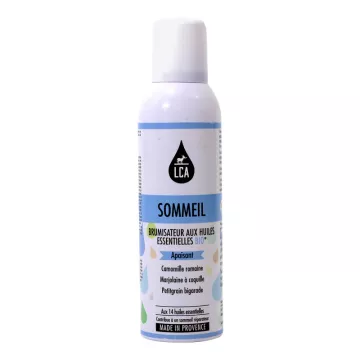
Sleep-promoting essential oil sprays utilize a range of sedative essential oils with complementary mechanisms:
Gemmotherapy sprays for sleep (organic bud complexes in a glycerin base, to be sprayed sublingually) offer an approach distinct from melatonin and essential oils. Fig tree buds target emotionally-driven insomnia and nighttime rumination, acting on the gut-brain axis to modulate nighttime serotonin production. Linden buds provide a general sedative effect for chronic anxiety accompanied by sleep disturbances. This sublingual format offers rapid absorption and adjustable dosing (1 to 3 sprays) without the inconvenience of a dropper. These formulas are suitable for use while traveling and for managing jet lag.
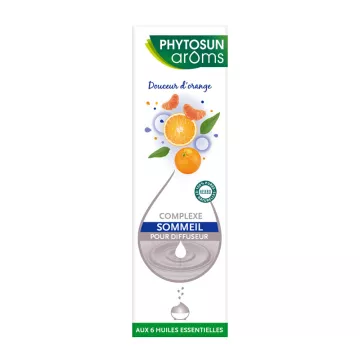
Essential oil blends in spray form for diffusers are designed to create an aromatic atmosphere conducive to sleep—use in an ultrasonic (cold) or nebulizing diffuser, 15 to 20 minutes before turning off the lights, then for a maximum of 15 to 30 minutes after going to bed (turn off the diffuser once you’ve fallen asleep to avoid overwhelming your sense of smell). Typical blends combine bergamot + marjoram + petitgrain bigarade + ylang-ylang, with sandalwood for those who tend to overthink. Diffusing in a child’s bedroom (for children ages 3 and up, using formulas free of eucalyptus and mint) is one of the gentlest approaches to improving children’s sleep.
The choice of spray depends on the type of sleep disorder. For difficulty falling asleep (prolonged sleep latency) with a circadian component (shift work, jet lag): 1 mg melatonin flash spray, just before turning off the light. For nighttime anxiety with intrusive thoughts: essential oil oral spray (bergamot + marjoram + petitgrain bigarade). For reactive emotional insomnia: fig + linden gemmotherapy spray. For a general bedroom ambiance: essential oil diffuser blend (ylang-ylang + sandalwood + lavender). For nighttime awakenings: long-acting or flash melatonin spray in a microdose (0.5 mg). These sprays can be used together without any interactions—a flash dose of melatonin at bedtime combined with a diffuser blend in the bedroom is a common and effective combination for mixed profiles. A diluted spray of pure ylang-ylang can also be applied to the wrists or the nape of the neck.