
Skin fungal infections are caused by three major families of pathogenic fungi:
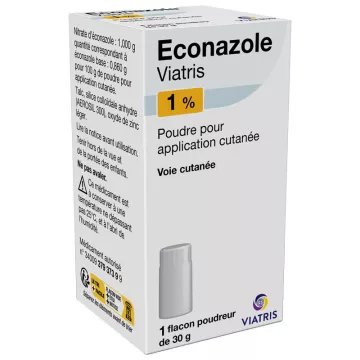
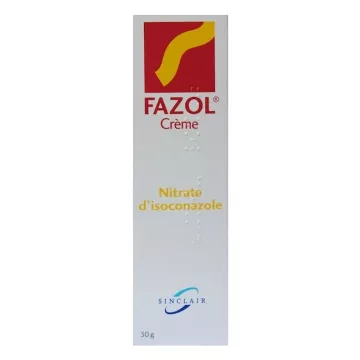
Azole antifungals (miconazole, econazole, ketoconazole) have a broad spectrum of activity (dermatophytes + Candida + Malassezia) and are the first-line treatment. Propolis (bee resin rich in flavonoids) has a documented antifungal effect against Candida albicans and certain dermatophytes—as a supplement to conventional antifungals.
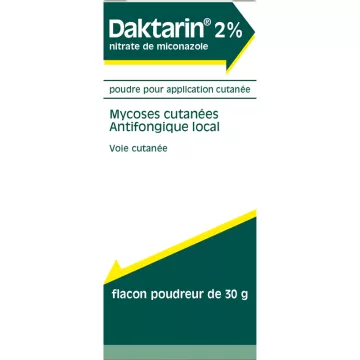
Antifungal cream (econazole 1%, miconazole 2%, ketoconazole 2%) is the standard treatment for fungal infections of the body, face, and skin folds—apply 1 to 2 times a day to the affected area and one centimeter beyond the visible lesions, for at least 2 to 4 weeks. Antifungal powder (2% miconazole) is particularly suitable for the feet (athlete’s foot, between the toes) and the groin folds—it simultaneously dries out the local environment, which is unfavorable for fungal growth. It can also be used preventatively in socks and shoes.Tea tree oil (terpinen-4-ol 30–45%) is the essential oil with the best clinically documented efficacy against athlete’s foot—diluted to 25–50% in a vegetable oil and applied topically twice daily.
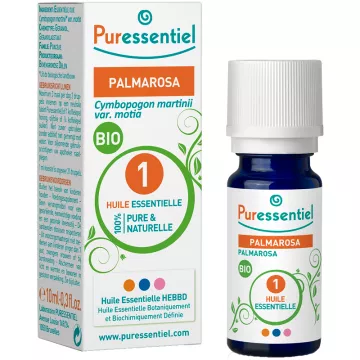
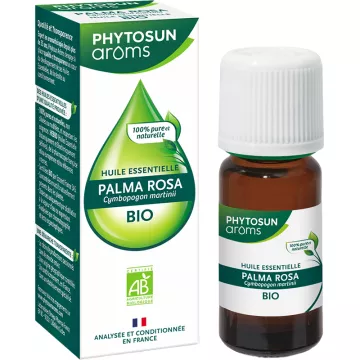
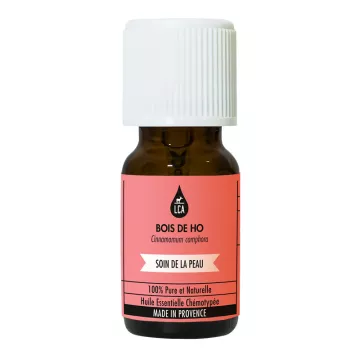
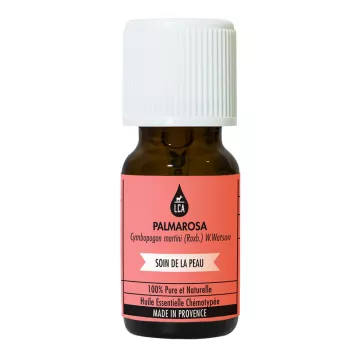
Several essential oils have demonstrated antifungal activity in vitro and in preliminary studies. Palmarosa (Cymbopogon martinii, geraniol 75–95%) is the most versatile antifungal essential oil for skin fungal infections—geraniol disrupts the cell membrane of fungi such as Candida albicans, Trichophyton rubrum, and Malassezia. Ho wood essential oil (CT linalool 80–90%) exhibits a comparable antifungal effect. These essential oils must always be diluted to 2–5% in a carrier oil (coconut oil, jojoba oil) before topical application and are not a substitute for prescription antifungal medication in cases of widespread or recurrent fungal infections.
Thujanol thyme (Thymus vulgaris CT thujanol, thujanol-4 40–60%) is a mild chemotype that is well tolerated on bare skin when diluted to 2–3%—unlike thymol thyme (which is dermocaustic). Its thujanol-4 component exerts broad-spectrum antifungal, immunostimulatory, and antiviral effects. True lavender (linalool + linalyl acetate) is frequently combined with thujanol thyme in aromatherapeutic antifungal preparations—it enhances the antifungal activity, soothes itching, and improves the formula’s skin tolerance. These preparations are applied 2 to 3 times a day, diluted to 5–10% in a vegetable oil.
Probiotics (Lactobacillus, Bifidobacterium) modulate the skin and gut microbiome—a balanced microbiome reduces the opportunistic overgrowth of Candida albicans. Taking probiotics during and after antifungal or antibiotic treatment reduces the risk of secondary fungal infections. For prevention: thoroughly dry skin folds and between the toes after showering, choose breathable cotton underwear, alternate shoes, sprinkle closed-toe shoes with a preventive antifungal powder, and avoid walking barefoot in damp communal areas (swimming pools, locker rooms).