What is skin irritation?
Skin irritation refers to a localized inflammatory response of the skin to an irritant. Medically speaking, it manifests as the classic signs of inflammation described since ancient times: redness (rubor), warmth (calor), pain or discomfort (dolor), and sometimes swelling (tumor). Unlike an allergic reaction, which involves an immunological cascade with memory, irritation is a non-immunological phenomenon: anyone can experience it if the irritant overwhelms the skin’s local defense mechanisms.
What is its inflammatory mechanism?
Upon contact with an irritant, keratinocytes and resident immune cells in the epidermis release pro-inflammatory mediators: prostaglandins, leukotrienes, and cytokines (IL-1, IL-6, TNF-α). These molecules dilate superficial blood vessels (causing redness), increase capillary permeability (causing mild edema), and stimulate sensory nerve endings (causing itching and tingling). The skin barrier acts as the first line of defense: the more compromised it is, the lower the threshold for a reaction.
What are the main causes?
Irritants fall into broad categories:
- Chemical: detergents, solvents, bleach, alcohol, harsh cosmetics (concentrated fragrances, methylisothiazolinones, sulfates), resins, cement;
- Physical: friction from clothing, repeated exfoliation, extreme temperatures, UV rays, dry wind;
- Biological: trapped sweat, saliva, urine, plants (buttercup, stinging nettle, false foxglove), insects;
- Poorly tolerated cosmetics: highly concentrated anti-aging active ingredients (exfoliating acids, retinoids), alcohol-based formulations;
- Internal aggravating factors: stress, hormonal fluctuations, certain medications, pro-inflammatory diet.
Irritation is dose-dependent: at a high enough concentration, any agent can trigger a reaction.
What symptoms should raise concern?
Warning signs that should prompt a visit to the doctor:
- Rapid spread of the affected area;
- Appearance of blisters, vesicles, or oozing;
- Yellowish, crusty scabs (a sign of bacterial superinfection);
- Intense or widespreaditching that causes insomnia;
- Intense and persistentflaking;
- Associated fever or chills;
- Involvement of the face, eyelids, or genitals.
Any symptom accompanied by facial swelling, difficulty breathing, or widespread hives suggests a severe systemic reaction (angioedema, anaphylaxis): call 15 or 112 immediately.
How can skin irritation be prevented?
Prevention is based on three pillars:
- Identification: Keep a log of the products, situations, and fabrics associated with episodes;
- Avoidance: Eliminate or reduce exposure to identified irritants;
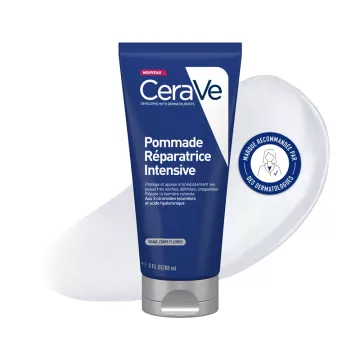
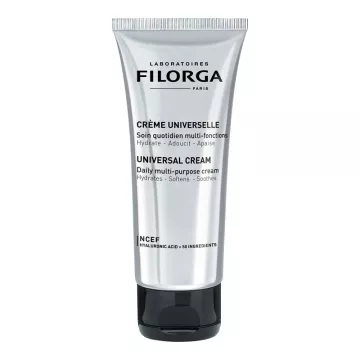
- Strengthening the skin barrier: a daily moisturizing routine (ceramides, glycerin, niacinamide, panthenol) that raises the tolerance threshold;
- Choose cosmetics with short INCI lists and free of common allergens;
- Clothing made of soft natural fibers (cotton, linen, bamboo);
- Protective gloves for tasks involving chemicals and manual labor that expose the skin.
What treatments are recommended?
Treatment depends on the severity:
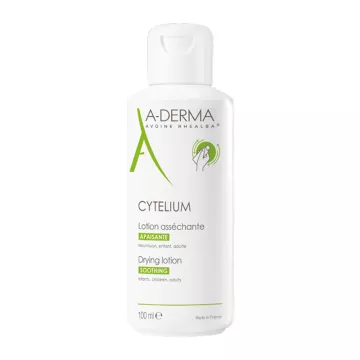
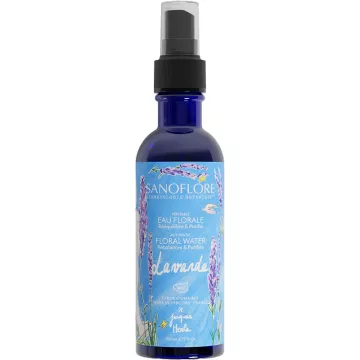
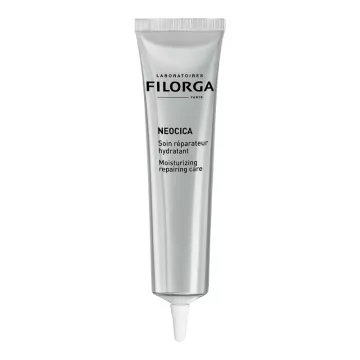
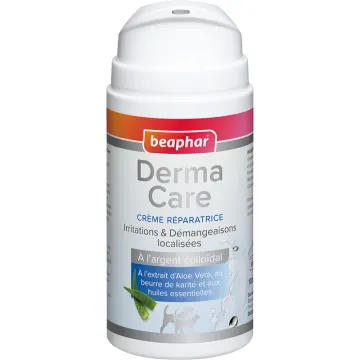
- Mild irritation: removal of the trigger, thermal water mist, aloe vera gel, barrier repair cream, and temporary discontinuation of other cosmetics on the affected area;
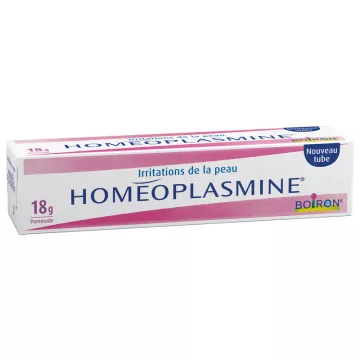
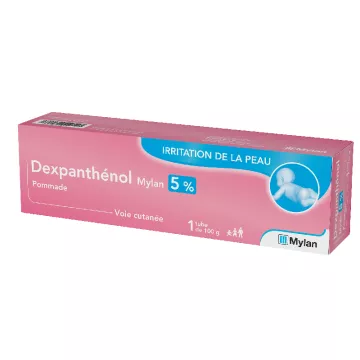
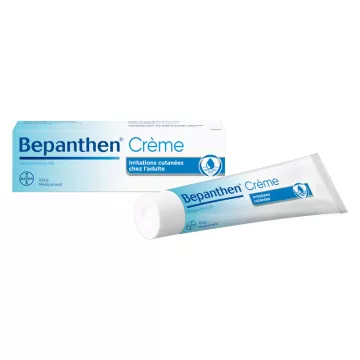
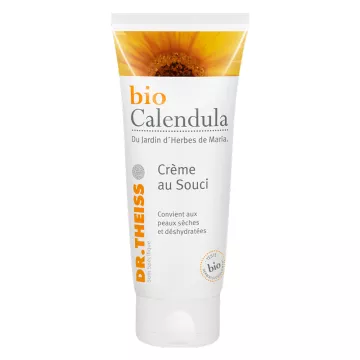
- Moderate irritation: specific soothing creams (panthenol, bisabolol, calendula, allantoin) applied repeatedly;
- Severe irritation: a doctor may prescribe a short-term topical corticosteroid; oral antihistamines may be prescribed if there is intense itching;
- Secondary infection: medical management, topical or even systemic antibacterial agents as advised;
- Medical procedures and prescriptions are strictly the responsibility of a doctor or dermatologist; prolonged self-medication is never recommended.
When should you see a healthcare professional?
A consultation is necessary in several situations:
- No improvement after 7 to 10 days despite appropriate treatment;
- Frequent recurrences or an increase in the number of affected areas;
- Suspectedcontact allergy requiring patch tests;
- Suspected rosacea, chronic eczema, or early-stage psoriasis;
- Irritation in infants, women (genital area), or on functional areas (hands, eyelids, lips);
- Any systemic symptoms (diffuse hives, swelling, difficulty breathing): life-threatening emergency—call 15 or 112.
Which herbs can help soothe symptoms?
Several traditional plants are recognized as supportive treatments, in addition to avoiding triggers:
- Calendula (pot marigold): soothing and healing when used as an oil macerate or cream;
- Roman chamomile: anti-irritant effect when used as a hydrosol or essential oil (highly diluted);
- Aloe vera (pure gel): provides immediate cooling and moisturizing effects;
- Bisabolol (derived from chamomile): a key cosmetic soothing ingredient;
- Colloidal oats: a recognized staple, particularly in baths and body lotions;
- Marshmallow as a traditional poultice, for its protective mucilaginous film.