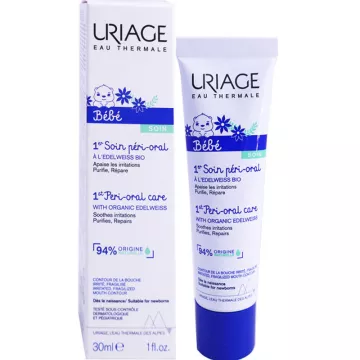
What is skin irritation in infants?
Skin irritation in infants refers to any inflammatory reaction of the skin, usually resulting from contact, an allergy, or an environmental factor. Typical symptoms:
- Widespread or localizedredness
- A sensation of warmth or burning when touched
- Small bumps, patches, papules, or blisters
- Itching accompanied by restlessness or crying
- Peeling or flakingskin
- Baby scratching or rubbing the affected areas
Since a baby’s skin is three to five times thinner than an adult’s and has an immature skin barrier, it reacts more quickly to even the slightest irritations. For multi-area skin irritations in babies, a comprehensive assessment helps identify the causes.
What are some common causes in babies?
Several common triggers come into play:
- Inappropriate skincare products: soaps, lotions, or detergents containing harsh sulfates, fragrances, or alcohol
- Mechanical friction: diapers that are too tight, clothing with irritating tags, rough seams
- Prolonged moisture: diapers left on too long, excessive sweating, poorly dried drool
- Contact allergies: nickel in snap fasteners, latex, certain synthetic fabrics
- Detergent residue that hasn’t been rinsed out properly or that contains fabric softener
- Climate changes: cold, wind, heating, dry air
- Food allergies in babies who have started solid foods
- Saliva and spit-up that soaks into the chin and neck folds
Careful observation often helps identify the main cause and eliminate it.
How can you prevent skin irritation in babies?
Prevention relies on several consistent steps:
- Choose hypoallergenic products specifically designed for babies, tested under pediatric and dermatological supervision
- Keep the skin dry and change diapers every 2 to 3 hours
- Expose the skin to fresh air for a few minutes each day, especially the diaper area
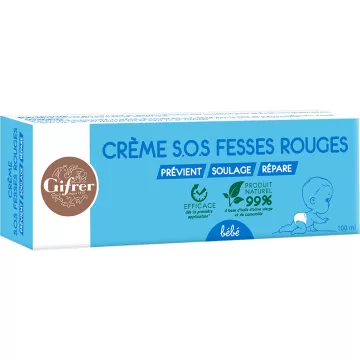
- Apply a zinc oxide-basedbarrier cream as a preventive measure to sensitive areas
- Moisturize daily with a suitable emollient
- Choose organic cotton clothing, washed with a mild detergent without fabric softener
- Limit baths to 2–3 per week; keepthem short (5–10 min) at 37 °C
- Watch for early signs so you can act quickly
For babies with a family history of atopic dermatitis, skincare products specifically designed for atopic skin are particularly suitable.
What products can be used to treat skin irritation?
Several types of products can relieve established irritation:
- Zinc oxide-based creams (10–25%): a protective barrier that promotes skin regeneration
- Moisturizing lotions specifically formulated for sensitive baby skin, fragrance-free and alcohol-free
- Mild, soap-free cleansers with a physiological pH of 5.5
- Oil-and-calcium liniments for daily diaper changes
- Emollient creams rich in glycerin, shea butter, or panthenol
- No-rinsecleansing waters for highly sensitive areas
It is essential to avoid essential oils (contraindicated for children under 3 years of age), self-administered corticosteroids, talc (due to health concerns), and fragranced products. For daily diaper changes, a gentle and consistent routine prevents most irritations.
When should you see a doctor for irritation?
Several signs indicate the need to consult a pediatrician:
- No improvement after 3 to 5 days of appropriate care
- Rapid worsening or spread to large areas
- Weeping, crustylesions, or lesions with white spots (suspected fungal infection)
- Blisters, bubbles, or peeling skin
- Accompanyingfever
- Unconsolable baby, refusal to eat or sleep
- Bleeding or purulent discharge
- Sudden, widespread reaction after introducing a new food or product
- Affected mucous membranes (mouth, eyes, genitals)
A generalized reaction with facial swelling or difficulty breathing requires an immediate call to 15 or 112.
What role does diet play in skin irritations?
Diet can be directly involved in certain skin irritations:
- Most commonfood allergies: cow’s milk protein, eggs, peanuts, tree nuts, soy, wheat, fish
- Typicalskin symptoms: hives, contact eczema, red patches, itching
- Varyingonset time: immediate (IgE-mediated allergy) or delayed by up to 48 hours
- Gradual introduction of new foods: one new food at a time over 3 to 5 days to identify reactions
- Careful monitoring of skin symptoms in the days following the introduction of a food
- Afood diary is invaluable if an allergy is suspected
Any suspicion of a food allergy warrants a consultation with a pediatrician or allergist for an appropriate evaluation. For dietary diversification, follow current recommendations (HAS, ESPGHAN), which encourage the early and gradual introduction of allergens.
How can you tell the difference between skin irritation and a skin infection?
Several criteria guide the differential diagnosis:
- Simple irritation: redness, dryness, itching, no fever, no oozing, no pus
- Bacterial infection: localized warmth, oozing, yellowish pus, honey-colored crusts, pain, sometimes fever
- Fungal infection: satin-like redness, well-defined borders, satellite white spots, persistent itching
- Eczema: dry or oozing red patches, severe itching, family history of atopic conditions
- Hives: raised, pink, itchy papules that are transient and migratory
- Viral infectious disease (chickenpox, roseola, hand-foot-and-mouth disease): rash associated with fever
If there is any doubt about the nature of the lesions, a pediatric consultation is essential to determine the appropriate treatment: antifungal medication, topical antibiotic, topical corticosteroid, or specific treatment based on the diagnosis.
What precautions should be taken regarding clothing and diapers?
The choice of materials that come into direct contact with the skin directly affects skin health:
- Clothing made of natural fibers —such as organic cotton, linen, and bamboo—that allow the skin to breathe
- Avoid rough or non-breathablesynthetic fabrics (pure polyester, acrylic)
- Remove irritating tags before first use
- Ecolabel- orOeko-Tex-certified diapers, fragrance- and lotion-free, and well-fitting
- Proper diaper size: neither too tight nor too loose; replace as the baby grows
- Mild, fragrance-free, hypoallergeniclaundry detergent—ideally Ecolabel-certified
- Strictly avoid using conventionalfabric softener on baby’s clothes
- Rinse laundrytwice to remove detergent residue
- Pre-wash new clothes to remove manufacturing finishes
- Loose-fitting clothing without drawstrings or tight elastic
For particularly sensitive skin, specialized laundry detergents are available upon recommendation from a pharmacist.
What natural treatments are there for irritation?
Several gentle approaches can complement your usual skincare routine:
- Certified organic purealoe vera gel: known for its soothing properties on irritated skin
- Organic virgin coconut oil: nourishing, supports the skin barrier
- A lukewarmcolloidal oatmeal bath(Rhealba): a recognized soothing treatment for atopic and irritated skin
- Calendula in an oil macerate or cream for skin comfort
- Organic rawshea butter for very dry areas
- Cool compresses for localized heat or itching
Always perform a patch test 48 hours before regular use, even with products known to be gentle. Essential oils are strictly contraindicated for children under 3 years of age. To help manage overall comfort, cuddles, gentle rocking, and a calm environment are just as effective as topical treatments in soothing an uncomfortable baby.