Shedding is the process by which the stratum corneum eliminates dead cells (corneocytes) from its surface. It becomes visible and pathological when it accelerates or becomes disrupted. The main causes are:
Facial flaking in winter particularly affects sensitive skin types whose lipid barrier is already compromised.
Peeling after sunburn (skin peeling 3 to 7 days after sunburn) is the result of the death of keratinocytes damaged by UV rays. The key step is intensive moisturization (aloe vera, shea butter, Biafine) without attempting to peel off the flaking skin—forcing the skin to peel exposes the immature epidermis and increases the risk of secondary infection. Avoid exfoliants, AHAs, and retinoids at all costs during the peeling phase. Sun-damaged skin must be protected with SPF 50+ during any further sun exposure—skin that has peeled is temporarily more vulnerable to UV rays.
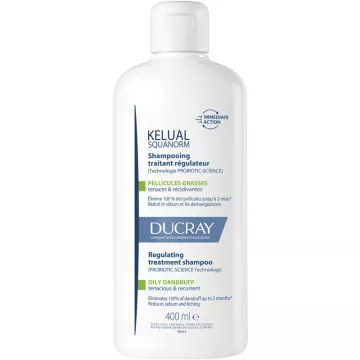
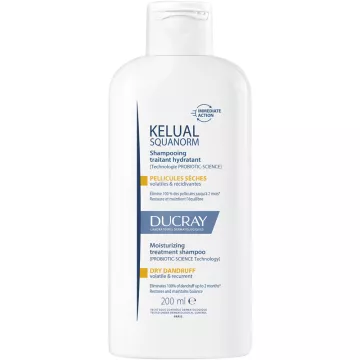
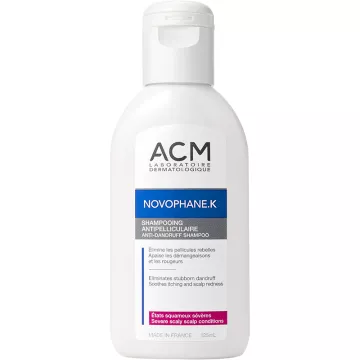
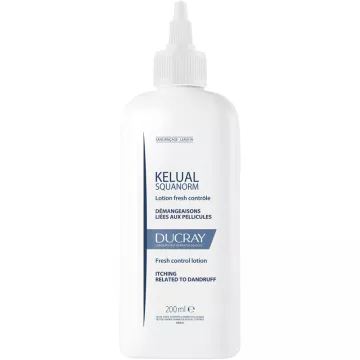
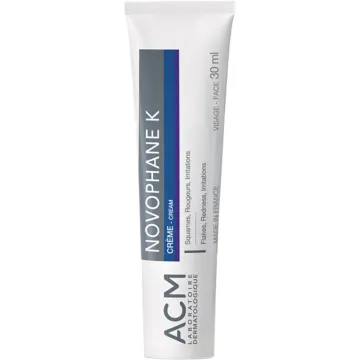
Flaking of the sensitive scalp takes two forms: dry dandruff (small white flakes, mild itching, dryness, or a reaction to shampoo) and oily dandruff (thick, yellowish, sticky flakes; seborrheic dermatitis caused by Malassezia). The latter requires specific antifungal shampoos (ketoconazole, ciclopirox, zinc pyrithione—Kelual Squanorm, Novophane K, Melaleuca). Severe scaling with inflammation and redness may require a keratolytic lotion (salicylic acid) to soften the scales before shampooing, and a soothing leave-on lotion to control itching.
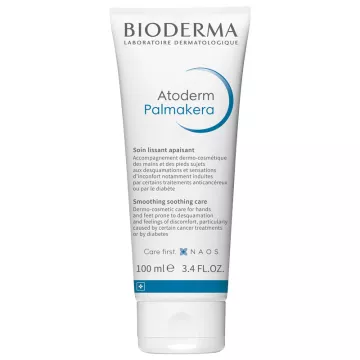
Ichthyosis vulgaris (a filaggrin mutation) manifests as dry skin with fine scales, which worsens in the winter. Keratosis pilaris (small, rough papules on the arms, thighs, and cheeks, with a “chicken skin” appearance) is a very common form of follicular hyperkeratosis. Bioderma Palmakera (glycolic acid + urea) is specifically formulated for these two conditions—it gently exfoliates, deeply moisturizes, and smooths rough patches. These skin types benefit from daily application of a rich emollient (10% urea, ammonium lactate) after showering, while the skin is still damp.
The scale-regulating emulsion (Uriage DS Emulsion) combines a sebum-regulating active ingredient with a gentle keratolytic agent—it regulates epidermal cell turnover without drying out the skin. ACM Novophane K cream (ketoconazole + ichthyol) is suitable for flaking associated with redness and a burning sensation. These products should be applied to clean, slightly damp, delicate skin (after cleansing) to maximize the penetration of the active ingredients. Regular treatment (1 to 2 times a day) for at least 4 to 6 weeks is necessary for a lasting improvement in skin texture.
Winter facial flaking (tight skin, flaking in patches, a tight sensation) is caused by a combination of cold outdoor temperatures and central heating, which dry out the air and compromise the skin’s lipid barrier. The treatment combines: gentle cleansing without harsh detergents (micellar water, makeup-removing oil), immediate application after cleansing of a cream rich in occlusive lipids (ceramides, squalane, jojoba oil), and protection of the face from the wind (scarf, barrier cream). Avoid alcohol-based toners, harsh foaming cleansers, and AHAs during periods of active flaking. Facial roughness associated with winter flaking generally resolves within 1 to 2 weeks with a rigorous moisturizing and protective regimen. If the condition persists or spreads, a dermatology consultation can help rule out underlying contact dermatitis or rosacea.