Damaged skin refers to a skin condition in which the protective barrier is compromised, resulting in a loss of moisture, increased sensitivity, and vulnerability to external aggressors. Unlike a permanent skin type, it is a reversible condition that can affect any skin type at any given time.
This condition is characterized by several telltale signs: a tight feeling after cleansing, an uneven texture to the touch, persistent redness, localized flaking, dry or rough patches, a dull complexion, and sudden intolerance to products that were previously well-tolerated. The skin may seem to “no longer respond” to your usual skincare routine.
The good news: with a gentle and consistent approach, the skin barrier can recover within a few weeks. For the skin barrier and sensitive skin in general, additional resources are available.
There are many causes of skin fragility:
Identifying personal risk factors remains a key step in recovery.
Several characteristic signs help identify damaged skin. A persistent feeling of tightness, particularly after cleansing, is often the first sign. It is frequently accompanied by general discomfort, a burning or tingling sensation, and sometimes mild itching.
Visually, the skin may show diffuse or localized redness, fine flaking in isolated areas, a rough texture, or a dull complexion. Pores may appear more visible, the skin may seem thinner, and fine telangiectasias may sometimes be visible. A sudden intolerance to cosmetics that were previously well tolerated is a common sign.
When damaged skin is accompanied by well-defined patches, oozing, significant pain, or rapid spread, a dermatology consultation is necessary to rule out an underlying medical condition.
Treatment is based on the principle of radically simplifying your skincare routine: fewer products, carefully selected, and applied regularly. Cleanse with lukewarm (never hot) water using an ultra-gentle, soap-free, fragrance-free, sulfate-free product: a syndet, ultra-moisturizing gel, cleansing oil, or gentle micellar water.
Moisturizing should take place immediately after cleansing, while the skin is still damp, using a product rich in ceramides, glycerin, hyaluronic acid, and soothing ingredients. Thick, rich formulas (nourishing creams, reparative balms) are preferable to lightweight fluids during the repair phase. Panthenol, allantoin, and bisabolol provide additional soothing benefits.
Several complementary steps reinforce this strategy:
The first signs of healing usually appear within 2 to 4 weeks, with complete recovery taking 4 to 8 weeks depending on the initial severity.
Several well-documented active ingredients are particularly effective on damaged skin:
The gradual introduction of a single active ingredient at a time, following a 48-hour tolerance test, remains the golden rule. For ceramides and panthenol in general, specific resources are available.
Prevention is based on a few simple but consistent principles. Daily broad-spectrum sun protection with SPF 30 to 50+, in both summer and winter, remains the number one preventive measure. Apply a sufficient amount (equivalent to one teaspoon for the face), reapply every two hours while outdoors, avoid the hottest hours of the day (10 a.m.–4 p.m.), and strictly avoiding tanning beds (classified as a Group 1 carcinogen by the IARC).
A gentle, consistent skincare routine provides long-lasting protection for the skin barrier: cleansers with a pH close to that of the skin, moisturizing morning and night, and avoiding overly harsh active ingredients. Introducing new products should be done gradually, one at a time.
A healthy lifestyle complements this approach: a balanced diet rich in omega-3s and antioxidants, regular oral hydration, 7 to 9 hours of sleep per night, stress management (cardiac coherence, meditation, yoga), regular physical activity (150 minutes per week according to WHO recommendations), avoiding tobacco, and limiting alcohol.
Diet directly influences the quality of the skin barrier. Essential fatty acids are the building blocks of epidermal lipids. Fatty fish eaten twice a week (salmon, sardines, mackerel, herring), nuts (walnuts, almonds, flaxseeds, chia seeds), and high-quality vegetable oils (canola, walnut, flaxseed, hemp) provide the essential omega-3 EPA and DHA.
Fat-soluble vitamins and antioxidants contribute to skin regeneration:
Limit: simple sugars (cellular glycation), ultra-processed foods, excessive alcohol. Our natural antioxidants section offers supplements to help make up for any deficiencies.
The skin barrier, located in the stratum corneum of the epidermis, is the skin’s first line of defense. Its structure is traditionally described as a “bricks-and-mortar” arrangement: corneocytes (stratum corneum cells) form the bricks, while epidermal lipids (ceramides, cholesterol, free fatty acids) constitute the mortar that ensures cohesion and impermeability.
This barrier fulfills several essential functions: protection against external aggressors (UV rays, pollutants, microbes, allergens), maintenance of skin hydration (limiting insensible water loss), balance of the skin microbiome, and enzymatic functions of the epidermis.
When compromised, the skin becomes permeable to irritants and allergens, loses moisture more quickly, experiences an imbalance in its microbiome, and sustains chronic inflammation. Restoring this barrier is therefore directly essential for restoring skin comfort. Skincare products that replicate the natural composition of epidermal lipids (ceramides + cholesterol + fatty acids) offer the best results.
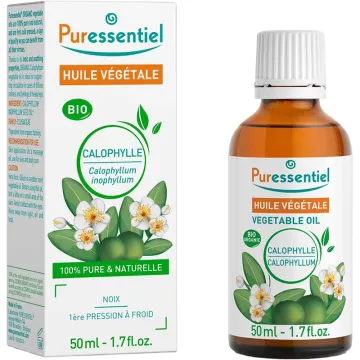
Several plant-based oils can complement askincare routine tailored to damaged skin.Sweet almond oil, traditionally used on both infants and adults, softens the skin without causing irritation.Argan oil provides vitamin E and essential fatty acids.Jojoba oil, which is structurally similar to the skin’s natural sebum, is particularly well tolerated.
Calendula oil in an oil macerate soothes sensitive and irritated skin.Avocado oil, rich in fatty acids and vitamins, deeply nourishes the skin.Borage oil andevening primrose oil provide essential fatty acids that are valuable for the skin barrier.
Coconut oil, which is comedogenic on acne-prone skin, can be used on the body with caution. A 48-hour tolerance test is always recommended before widespread use. Essential oils should be avoided on damaged or compromised skin (increased risk of allergic reactions).
Using aggressive cosmetic procedures on already damaged skin can cause long-term worsening of its condition. Medium- or deep-depth chemical peels (strong TCA, phenol), mechanical dermabrasion, intense ablative lasers, or deep microneedling can breach an already compromised skin barrier and lead to persistent inflammation, long-lasting redness, or even post-inflammatory hyperpigmentation (particularly in medium to dark skin types).
A preliminary dermatological consultation is essential before any cosmetic procedure, particularly in cases of already compromised skin. The physician assesses the indication, skin type, and initial condition of the skin barrier and may recommend preparatory care (a moisturizing regimen and strict sun protection for 4 to 6 weeks) before considering a procedure.
There are numerous gentle alternatives: LED phototherapy, revitalizing mesotherapy, very superficial PHA peels, and mild hydrabrasion. These options are gentler on the skin barrier while gradually stimulating regeneration.
Your licensed pharmacist remains a valuable resource for guiding your daily skincare routine and supporting your skin’s recovery. Specific resources are available for wound healing and damaged hands in general.