What are bodily secretions, and what is their role?
Body secretions refer to all the fluids produced by the body’s glands—saliva, mucus, tears, sweat, sebum, bronchial secretions, and vaginal secretions. Far from being waste products, they fulfill essential biological functions: protecting mucous membranes, moistening the respiratory tract, providing lubrication, eliminating pathogens, and regulating the local bacterial environment. Products for respiratory and intimate comfort are available in the intimate hygiene and intimate comfort sections of the store.
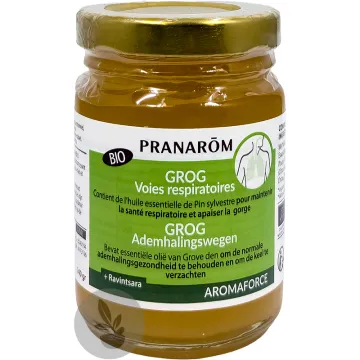
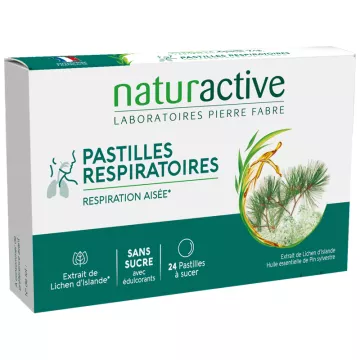
- Nasal and bronchial secretions: Mucus in the respiratory tract (mucociliary clearance) traps dust, bacteria, and viruses—bronchial cilia transport it toward the pharynx for elimination—increased production during an infection is a normal defensive response—specialized resources are available for managing nasal and bronchial secretions
- Vaginal secretions: produced by the cervix and the Bartholin’s glands—cleaning and moisturizing the vagina—protection against infections by maintaining an acidic pH (3.8 to 4.5) — quantity and appearance naturally vary with the menstrual cycle — the vaginal flora is inextricably linked to their balance
- Normal vs. abnormal secretions: normal (clear or whitish, slightly odorous, fluid consistency, stable volume) — abnormal (yellow or green: probable bacterial infection — strong fishy odor: bacterial vaginosis — thick and clumpy: candidiasis — sudden increase accompanied by pelvic pain: consult a healthcare professional)
What natural remedies can help regulate discharge?
Natural approaches primarily target respiratory secretions—thinning mucus, clearing the airways, and supporting the immune system. For abnormal vaginal discharge, a medical evaluation is essential before any natural treatment (risk of masking an infection requiring specific treatment).
- Hydration: the first step—drinking 1.5 to 2 L/day keeps respiratory mucus thin and facilitates its expulsion through mucociliary clearance—hot beverages (herbal teas, broths) directly hydrate the mucous membranes
- Thyme: thymol—expectorant, antiseptic, and bronchial antispasmodic—as an infusion, 3 cups per day—supports normal bronchial secretions and their clearance
- Eucalyptus: 1,8-cineole—mucolytic and decongestant—taken as steam inhalation (10 minutes, 2 to 3 times a day) or via diffusion—effective for nasal and bronchial secretions
- Nasal irrigation: saline solution or seawater — mechanically removes nasal secretions and allergens — essential for nasopharyngitis and rhinitis — repeat several times a day during acute episodes
- Vitamin C: supports antiviral and antibacterial immunity — indirectly reduces the duration and severity of respiratory infections that stimulate excessive mucus production
- Probiotics: maintain the balance of vaginal and intestinal flora — reduce abnormal secretions caused by dysbiosis — Lactobacillus rhamnosus and reuteri have been documented to benefit vaginal flora
Diet, Hygiene, and Prevention of Abnormal Secretions
- Foods that influence respiratory secretions: spicy foods (capsaicin—temporarily increases nasal secretions via a vasomotor reflex—vasodilatory effect) — dairy products (may thicken mucus in some individuals — should be limited during ENT infections) — vitamin C (citrus fruits, kiwi, bell peppers — strengthens mucosal immunity) — ginger (anti-inflammatory expectorant)
- Intimate hygiene and vaginal discharge: use mild, fragrance-free products (pH 4 to 5.5, suitable for the intimate area) — avoid internal vaginal douches (which destroy the protective flora) — breathable cotton underwear — avoid intimate deodorants (which disrupt the vaginal ecosystem) — for daily care, the intimate hygiene line offers suitable products
- Side effects of natural remedies: essential oils (perform skin tests beforehand—possible allergic reactions—contraindicated for children under 6 and pregnant women)—herbal teas (possible digestive issues in sensitive individuals—check for drug interactions) — Consultation with a healthcare professional is recommended before starting any treatment