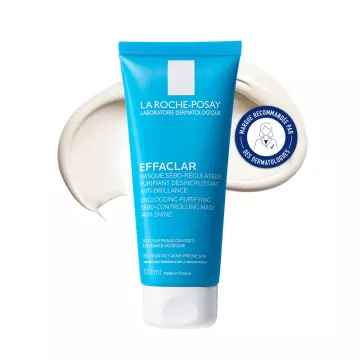
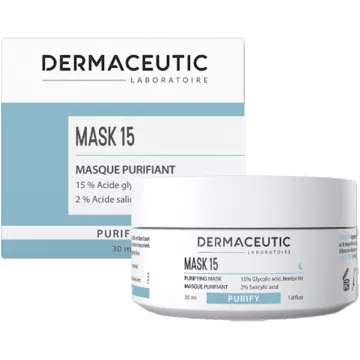
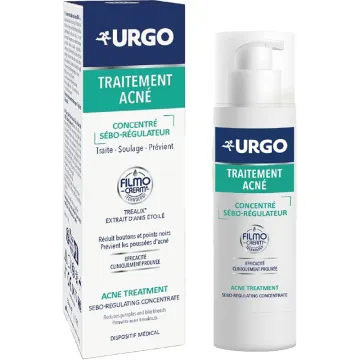
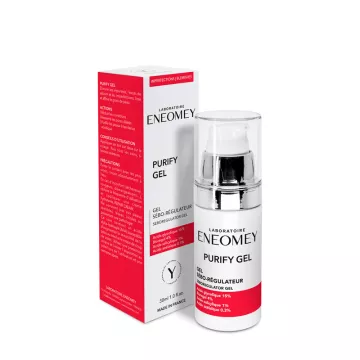
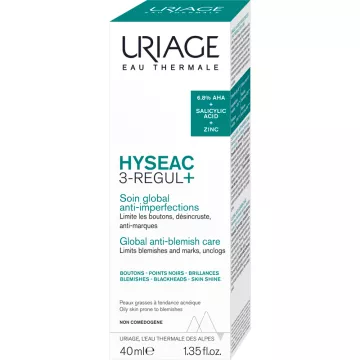
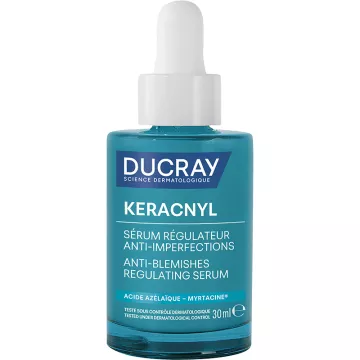
A sebum-regulating product is a cosmetic formulated to limit excessive sebum production and provide long-lasting mattifying effects on the skin. It works by regulating the activity of the sebaceous glands—without blocking them—to preserve the skin’s natural hydrolipidic film, which protects it from external aggressors and dryness. This approach sets it apart from a simple mattifying product, which temporarily masks shine without correcting the underlying imbalance: the sebum-regulating product tackles the root of the problem—the very issue explained in more detail on the page dedicated toexcess sebum —with results that generally become apparent after several weeks of regular and continuous use.
Several factors contribute to hyperseborrhea—that is, sebum production that exceeds the skin’s actual needs: hormonal fluctuations during adolescence, in the premenstrual period, or when stopping birth control; chronic stress, which indirectly stimulates the sebaceous glands via cortisol; overly harsh skincare products that cause a rebound effect; or a diet high in fast-acting sugars and dairy products. Heat and humidity also exacerbate this condition in the summer, as does a genetic predisposition specific to each skin type. From a nutritional perspective, an insufficient intake of zinc—a trace element involved in regulating sebum production—is sometimes linked to persistent skin imbalances and skin that is more prone to breakouts.
Three families of active ingredients have demonstrated proven effectiveness in regulating sebum secretion. Niacinamide, or vitamin B3, visually refines skin texture while providing long-lasting control of shine, without causing irritation—even on reactive skin.Salicylic acid, a fat-soluble keratolytic active ingredient, penetrates the pore to gently unclog it and limit the formation of blackheads. Finally,clay—particularly green clay—absorbs excess sebum from the skin’s surface without drying out the skin, provided it is not allowed to dry completely while the mask is on. These three active ingredients work synergistically in modern sebum-regulating formulas, but their concentrations must be gradually increased to avoid any rebound effect or irritation, particularly in sensitive or already compromised skin.
Oily skin exhibits a uniform sheen across the entire face, whereas combination skin concentrates excess sebum in the T-zone (forehead, nose, chin) while remaining normal or even dry on the cheeks. This distinction directly influences the choice of texture: a lightweight gel is suitable for generalized oily skin, while targeted application to the T-zone, combined with a more hydrating treatment on the cheeks, better meets the needs of combination skin. In both cases, an additional step aimed at tightening enlarged pores in the central part of the face can visually enhance the mattifying effect.
The proper routine for oily skin begins with a gentle, non-alkaline facial cleanser, used morning and night, followed by the sebum-regulating product applied to clean, dry skin, and then consistent moisturization: even oily skin needs hydration to prevent it from overproducing sebum as a compensatory mechanism. Conversely, washing more than twice a day, using alcohol-based lotions, skipping the moisturizing step for fear of making the skin “greasy,” or using multiple exfoliating products at the same time will perpetuate the skin’s imbalance rather than correcting it.