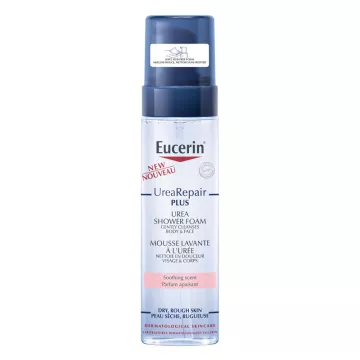
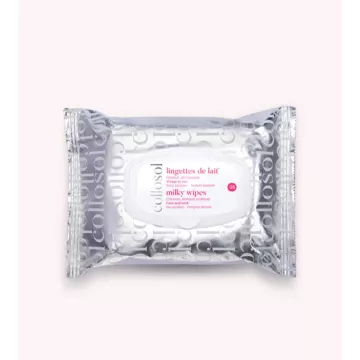
Why is a facial cleanser the foundation of any skincare routine?
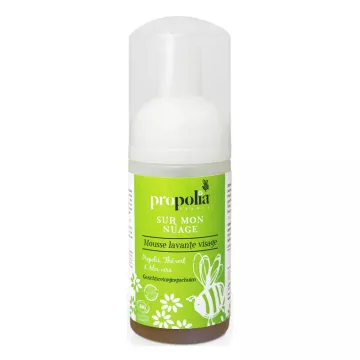
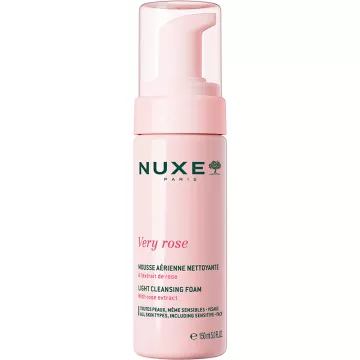
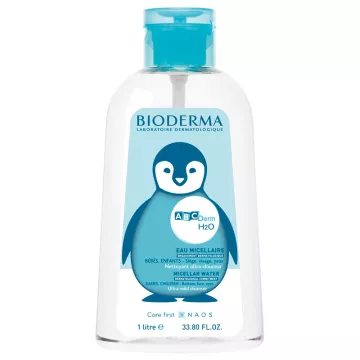
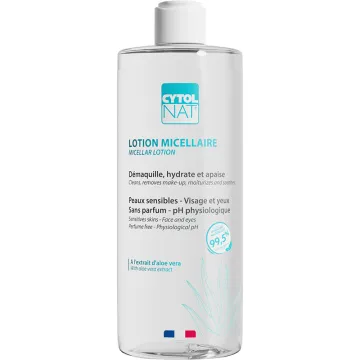
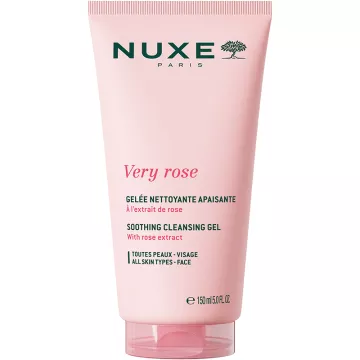
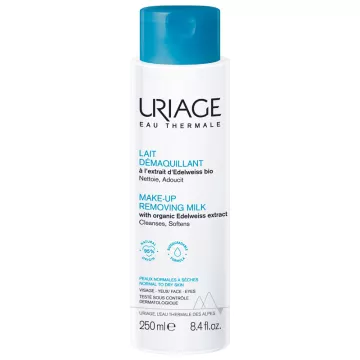
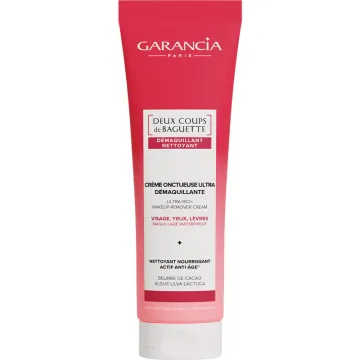
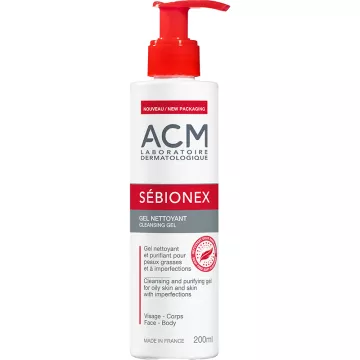
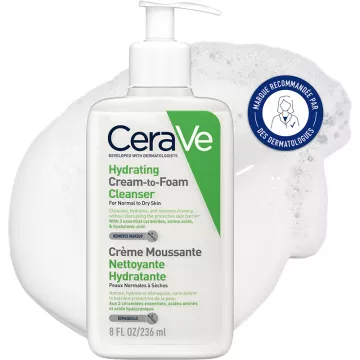
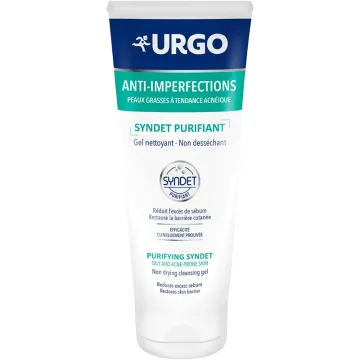
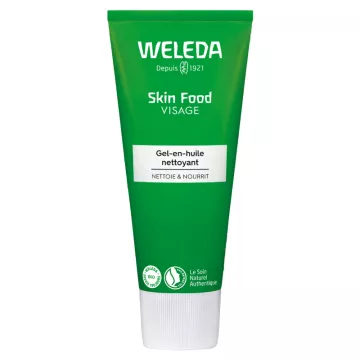
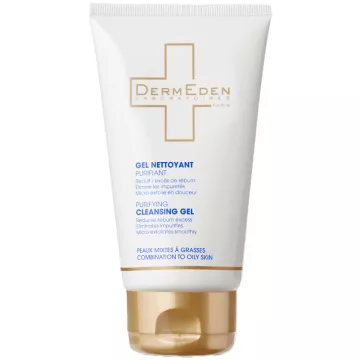
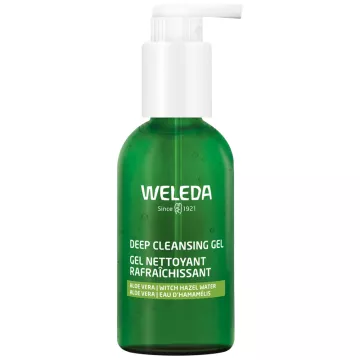
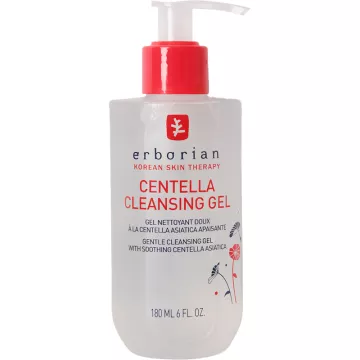
Facial cleanser is the first step in any skincare routine—it determines the effectiveness of all the products applied afterward (serums, moisturizers, anti-aging ingredients). Effective cleansing removes sebum, impurities, pollution, and makeup residue that clog pores and form a film that blocks the penetration of active ingredients. Conversely, an unsuitable cleanser can disrupt the skin’s pH balance, weaken the skin barrier, and trigger a rebound effect (excess sebum production). The facial cleanser line is available in the store.
- Skin pH and Cleansing: The skin’s natural pH is slightly acidic (4.5 to 5.5) — Ordinary soaps are alkaline (pH 9 to 10) and disrupt this acidity, destroying the protective hydrolipidic film — A cleanser formulated at physiological pH preserves the skin’s microbiome and the integrity of the skin barrier
- Recommended frequency: twice a day (morning and evening) for combination to oily skin — once in the evening only for dry or sensitive skin (in the morning, water is sufficient) — never more than twice without a specific reason
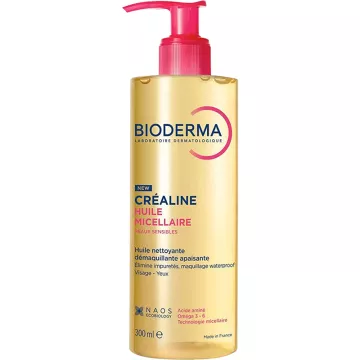
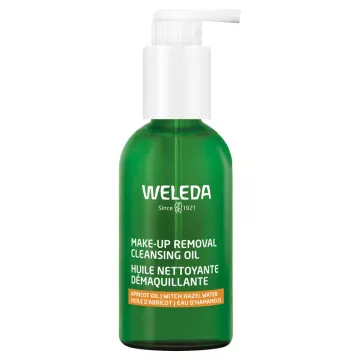
- Double cleansing: in the evening, if wearing makeup or sunscreen—Step 1: Makeup removal (oil, balm, or micellar water)—Step 2: Gentle water-based cleanser—This sequence ensures the complete removal of oil-soluble residues without rubbing
- Application technique: Face should be slightly damp — use gentle circular motions for 30 to 60 seconds — rinse with lukewarm water (never hot—which dilates blood vessels) — do not rub with a towel; pat dry gently
How to choose a facial cleanser based on your skin type?
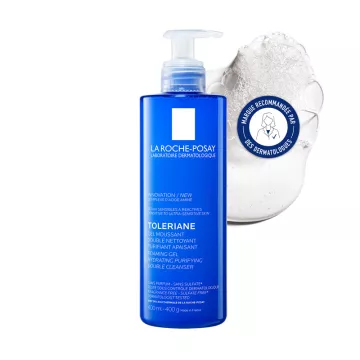
- Sensitive and reactive skin: soap-free (syndet), fragrance-free, alcohol-free, MIT-free cleanser—gentle milk or gel textures—soothing ingredients (aloe vera, chamomile, thermal water, oats) — hypoallergenic and dermatologically tested — never use products that produce a lot of foam (strong surfactants)
- Dry skin: cream, milk, or oil cleansers — glycerin, sweet almond oil, ceramides, squalane — gentle cleansing in the evening only — in the morning, simply rinse with lukewarm water — avoid foaming formulas that strip the hydrolipidic film
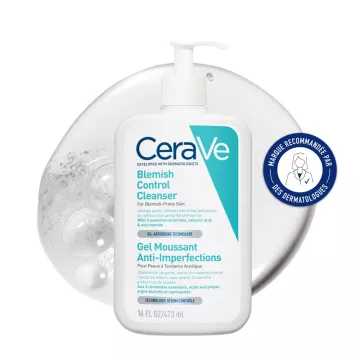
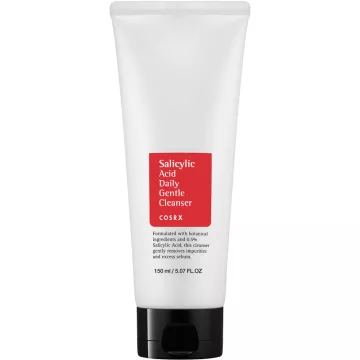
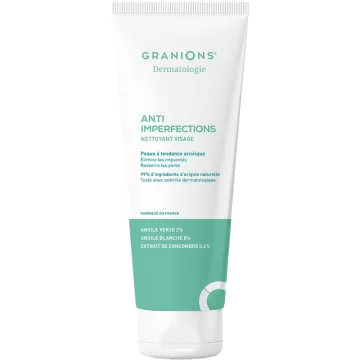
- Combination to oily/acne-prone skin: cleansing gel or light foam — salicylic acid (BHA — keratolytic and pore-unclogging) — niacinamide (sebum regulator) — activated charcoal (adsorbent) — zinc — avoid harsh formulas that cause a rebound effect
- Combination skin: balancing formulas — mild surfactants (glucosides) — targeted cleansing of the T-zone if needed — avoid overly sebum-regulating products on dry cheeks
Ingredients to Prioritize and Avoid in a Facial Cleanser
Natural cleansers have the advantage of minimizing skin irritants while delivering beneficial active ingredients. Green tea extract (antioxidant polyphenols), rose water (toning and soothing), calendula (soothes reactive skin), and cold-pressed vegetable oils are high-quality ingredients for formulating a gentle cleanser.
- Preferred ingredients: mild surfactants (glucosides, betaine, coco-sulfate vs. SLS) — glycerin (humectant) — aloe vera — soothing plant extracts — pH 4.5–5.5 — no-rinse or light lather for dry skin
- Avoid: SLS/SLES (sodium lauryl/laureth sulfate—too harsh) — parabens — MIT/CMIT (methylisothiazolinone/chloromethylisothiazolinone — documented allergens) — denatured alcohol (drying) — synthetic fragrances — phthalates
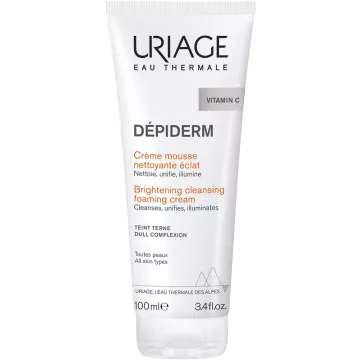
- Anti-aging cleansers: vitamin C (antioxidant, radiance) — low-dose retinol (cell renewal — use with caution, only at night, not during pregnancy) — AHAs (glycolic acid, lactic acid) — a cleanser is rinsed off and has a short contact time: anti-aging active ingredients are more effective in serums and creams that remain on the skin
- Certified natural cleansers: Ecocert, Cosmos Organic, and Nature et Progrès labels — guarantee the absence of petrochemicals and the traceability of ingredients — particularly recommended for sensitive skin and those concerned about endocrine disruptors